Weight Loss Drugs Cut Addiction Risk by 50% in Veterans
Popular diabetes and weight loss medications may help fight addiction itself, silencing cravings across alcohol, nicotine, opioids, and other substances. A study of over 600,000 veterans shows these drugs could save lives in unexpected ways.
Medications designed to treat diabetes and help people lose weight might have a powerful hidden benefit: they appear to fight addiction across nearly every substance.
Researchers at Washington University School of Medicine studied more than 600,000 U.S. veterans with type 2 diabetes. They discovered that people taking GLP-1 drugs like Ozempic, Wegovy, and Mounjaro were significantly less likely to develop substance use disorders than those taking other diabetes medications.
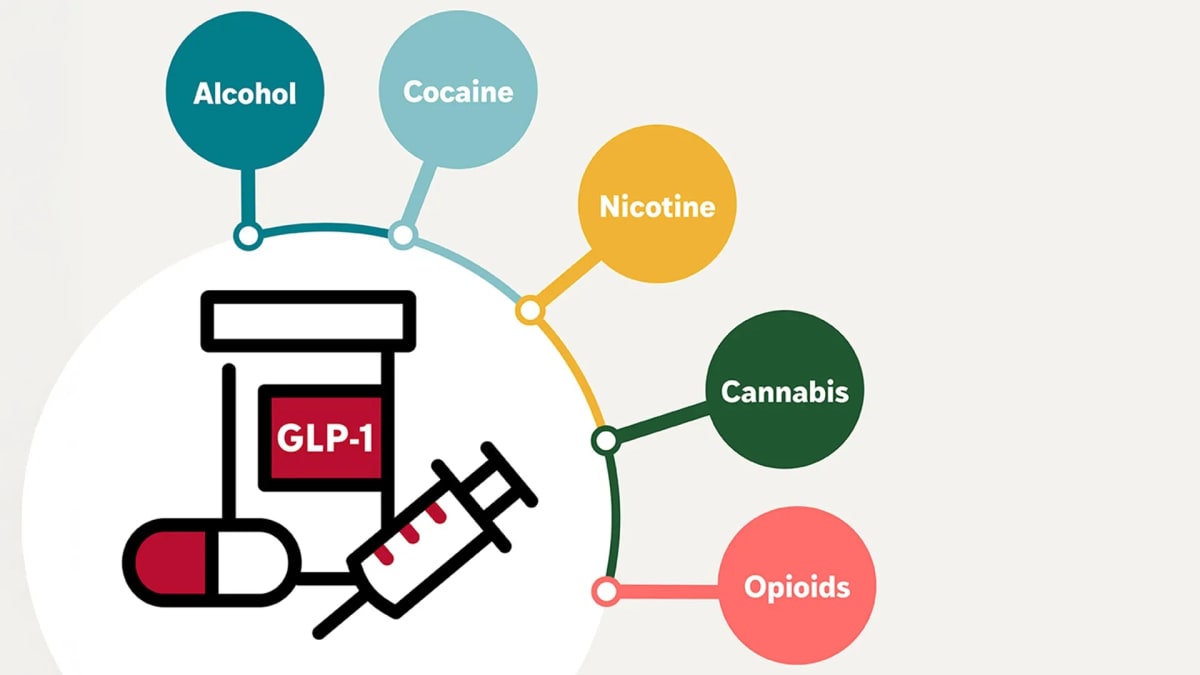
The results were remarkable. Veterans without existing addiction problems who took GLP-1 drugs had a 14% lower risk of developing any substance use disorder. The protection extended across every major substance tested, including a 25% reduction in opioid disorders, 20% reduction in nicotine addiction, 20% reduction in cocaine use disorders, 18% reduction in alcohol disorders, and 14% reduction in cannabis disorders.
For the 81,617 veterans who already struggled with addiction, the news was even more dramatic. Those taking GLP-1 medications experienced 50% fewer drug-related deaths, 40% fewer overdoses, 30% fewer emergency room visits, and 25% fewer hospitalizations over three years.
Dr. Ziyad Al-Aly, the study's senior author and clinical epidemiologist at WashU Medicine, said the discovery represents something unprecedented in addiction medicine. Most treatments only work for one specific substance, like nicotine patches for smoking or methadone for opioid addiction.
"The revelation about GLP-1 medication is that it really works against all major substances," Al-Aly explained. "It is likely acting against the craving itself. It blunts that craving that pulls people toward whatever they're addicted to."
The Bright Side
The clue came from an unexpected source: patients themselves. People taking these medications started reporting that they'd simply lost interest in alcohol and cigarettes after starting treatment. Researchers realized this pattern might point to something bigger.
Scientists believe GLP-1 drugs may work because receptors for these medications exist in brain regions that control reward and craving. Instead of blocking a specific substance, the drugs appear to target the shared biological pathway that drives all forms of addiction.
This matters especially for substances like methamphetamine, which currently have no approved medication treatments. A drug that works against the craving mechanism itself could help millions of people struggling with addiction to substances that have no other medical solutions.
The research team estimates that GLP-1 use could prevent seven new substance use disorder diagnoses per 1,000 users and avoid 12 serious addiction-related emergencies per 1,000 users already struggling with addiction.
For people fighting both chronic health conditions like diabetes or obesity and addiction, these medications may offer a rare dual benefit that addresses two serious health challenges at once.
Based on reporting by Health Daily
This story was written by BrightWire based on verified news reports.
Spread the positivity!
Share this good news with someone who needs it