Weight-Loss Drugs Linked to 30% Lower Breast Cancer Risk
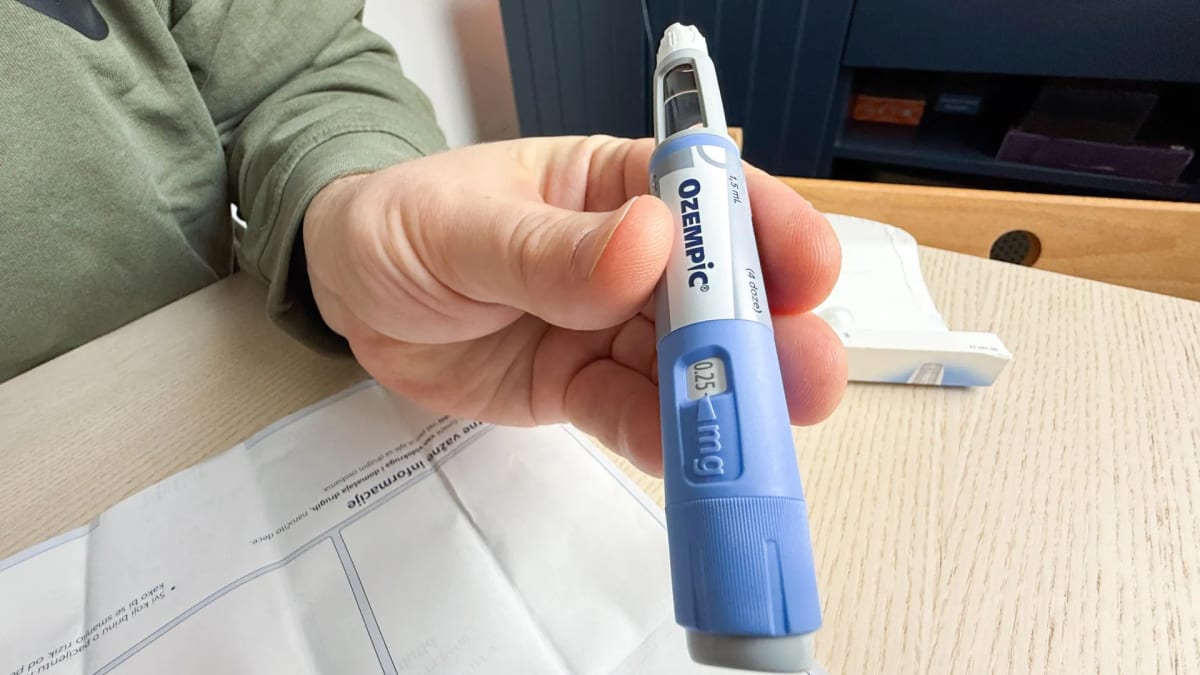
Popular medications like Ozempic and Wegovy may do more than help people lose weight. A study of over 110,000 women found those taking these drugs had a 30% lower risk of developing breast cancer.
Women taking weight-loss medications like Ozempic, Wegovy, Mounjaro, and Zepbound showed significantly lower rates of breast cancer in a major new study. Researchers at the University of Pennsylvania examined health records from more than 110,000 women and found those using these drugs had about 30% lower odds of developing the disease.
The findings, presented at the 2026 American Society of Clinical Oncology Annual Meeting, add to growing evidence that GLP-1 medications might offer benefits beyond their original purpose. These drugs were initially developed to treat type 2 diabetes but have become some of the most widely used weight-loss medications in America.
Dr. Elizabeth McDonald, a professor of radiology at Penn Medicine and practicing breast radiologist, emphasized that the study doesn't prove the drugs prevent cancer. However, the results are promising enough that her team is planning a large clinical trial to investigate whether GLP-1 medications can actually reduce breast cancer risk in high-risk women.
The research team looked at women between ages 45 and 80 with a BMI of 25 or higher who received breast imaging at Penn Medicine between January 2022 and June 2025. Nearly 15,300 women were taking GLP-1 drugs, while more than 96,000 were not.
To ensure accurate comparisons, researchers created matched pairs of women with similar ages, races, BMI measurements, breast density, and diabetes status. The results held strong in both the full population and the carefully matched groups.
Why This Inspires
Scientists have known for years that maintaining a healthy weight reduces breast cancer risk, especially after menopause. But researchers suspect these medications might do more than just promote weight loss.
GLP-1 drugs reduce chronic inflammation throughout the body, which has long been linked to cancer development. They also influence metabolism and affect how genes are regulated, potentially creating multiple barriers against cancer growth.
Current breast cancer prevention options remain limited, making any new possibility especially exciting. McDonald noted that GLP-1 medications are intriguing because they affect many different pathways associated with cancer, even though they weren't designed for cancer therapy.
The study didn't distinguish between specific medications or track how long women used them. Researchers also didn't account for genetic risk factors or tumor types, which will be examined in future analyses.
Clinical trials are now being planned to test whether these widely available medications could become a real tool for preventing breast cancer in women at high risk.
Based on reporting by Health Daily
This story was written by BrightWire based on verified news reports.
Spread the positivity!
Share this good news with someone who needs it