Weight-Loss Drugs Show Promise for Addiction Treatment
Scientists have discovered why drugs like Ozempic reduce cravings for alcohol, nicotine, and other addictive substances. The breakthrough reveals a hidden control center in the brain that manages how we think about rewards.
A new class of weight-loss medications is quietly changing our understanding of addiction and opening doors to treatments that seemed impossible just years ago.
GLP-1 drugs like Ozempic and Wegovy were designed to help people with type 2 diabetes control their blood sugar. They worked so well at reducing appetite that they became blockbuster weight-loss treatments. But doctors and patients soon noticed something unexpected: people taking these medications also lost interest in drinking alcohol, smoking cigarettes, and using other addictive substances.
For decades, neuroscientists struggled to understand why some people develop intense cravings that drive addiction. They knew the brain regions responsible for pleasure and reward, but couldn't figure out what made cravings so powerful and hard to resist.
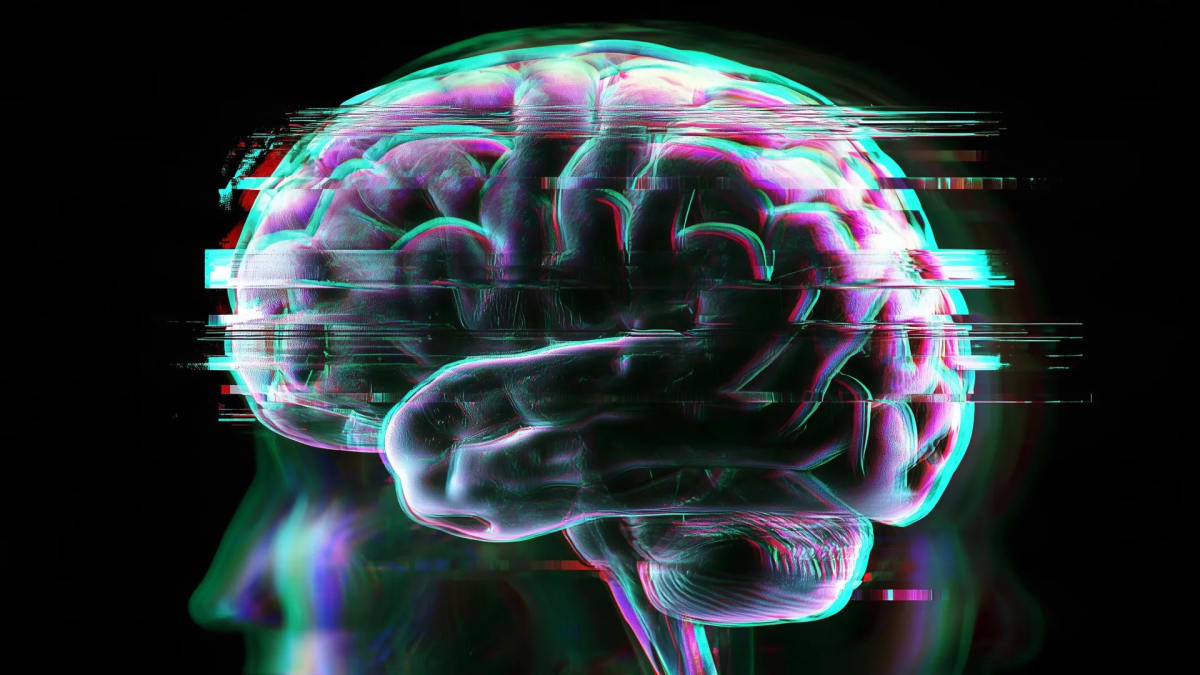
The answer may lie in a walnut-sized brain structure called the lateral septum. This region acts like a control center that combines memories of "where and when" with feelings of "what felt good there." It then communicates this information to the parts of our brain that release dopamine, the chemical that makes us feel pleasure.
Here's where it gets interesting. The lateral septum is packed with receptors for GLP-1, far more than the traditional reward centers scientists previously studied. When GLP-1 drugs activate these receptors, they seem to quiet the chatter between the lateral septum and other brain regions, reducing our ability to vividly imagine and crave rewarding experiences.
Recent studies in mice confirmed the connection. When researchers activated GLP-1 directly in the lateral septum, the animals ate less food and drank less alcohol. Human studies are showing similar results, with people reporting reduced cravings for everything from snacks to cigarettes.
This discovery fundamentally reshapes how we think about addiction. For years, treatments focused on willpower or blocking pleasure responses. Now scientists understand that addiction might start with how vividly we imagine and remember rewarding experiences.
Why This Inspires
This breakthrough means millions of people struggling with addiction may soon have new treatment options that actually address the root cause of their cravings. Instead of fighting willpower battles every day, a single medication could quiet the mental images that drive compulsive behavior.
The research also validates what many people with addiction have long described: the overwhelming power of mental imagery and craving that feels impossible to resist. Understanding the brain mechanism behind these experiences removes shame and opens pathways to compassion and effective treatment.
Perhaps most hopeful is how an accidental discovery became a scientific breakthrough. Doctors noticed their patients' changing behaviors, asked questions, and researchers followed the evidence to a brain region that had been hiding in plain sight for seventy years.
New treatments for alcohol dependence, smoking cessation, and other addictions could be available within years, not decades.
Based on reporting by Google News - New Treatment
This story was written by BrightWire based on verified news reports.
Spread the positivity!
Share this good news with someone who needs it