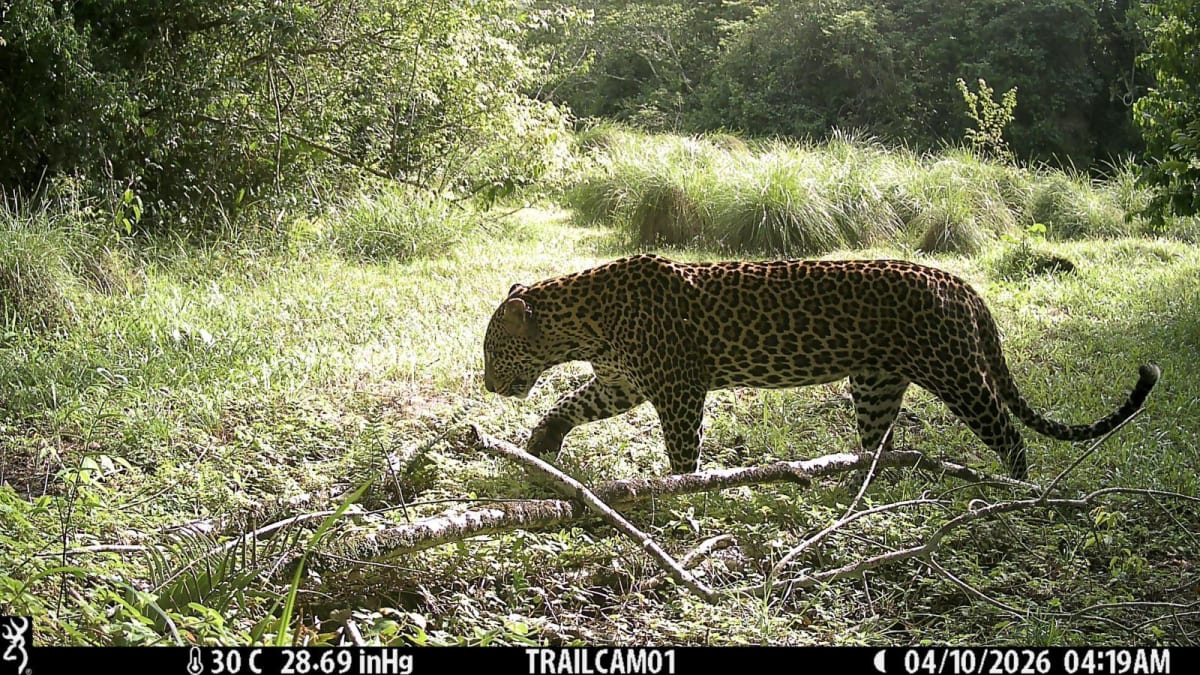
West Africa Plants Wildlife Corridor to Reconnect Forests
A village in Côte d'Ivoire is partnering with conservationists to create a wildlife corridor linking two national parks by planting native trees alongside crops. The project could help elephants, antelopes, and other animals move freely between protected forests for the first time in decades.
The village of Nigré in southwestern Côte d'Ivoire just made a promise that could change the fate of West Africa's disappearing rainforests.
Chief Djahi Bertin and his community agreed to help create an ecological corridor connecting Taï National Park with Grebo National Park in neighboring Liberia, just 2.5 miles away. The plan involves planting native rainforest trees on small portions of village farmland to create a patchwork of forest and fields.
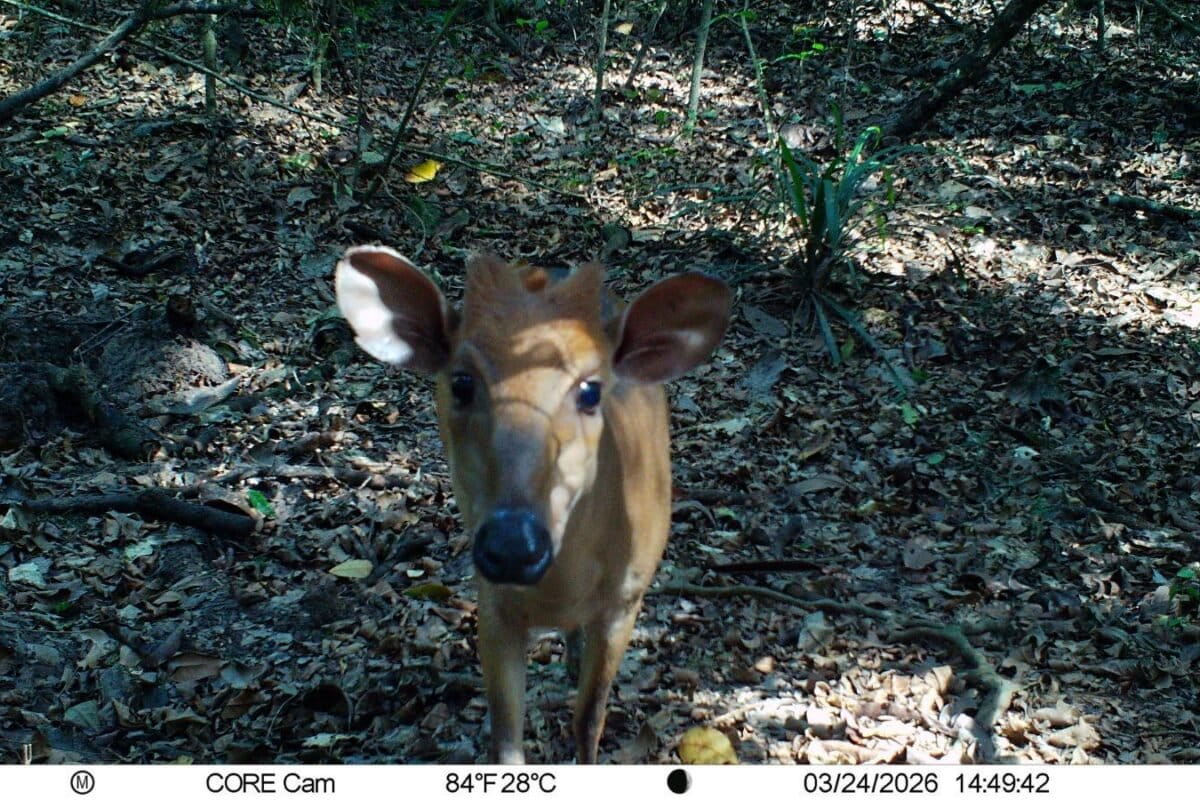
This corridor would allow forest elephants, western bongos, and other rare animals to move safely between the two protected areas. The western bongo is a large brown antelope with white stripes that's so elusive it's rarely seen, though camera traps recently captured their images in Taï.
At 5,000 square kilometers, Taï Forest represents the largest remaining piece of Upper Guinean rainforest, which once stretched across four countries. Côte d'Ivoire has lost an estimated 90% of its rainforest over the last century to agriculture and plantations.
The project brings together local NGO Eburny Biodiversity Conservation, South Africa's Leadership for Conservation in Africa, and Côte d'Ivoire's Office of Parks and Reserves. They're supporting park rangers, promoting biodiversity monitoring, and establishing a genetic research laboratory at a university in Abidjan.
The approach mirrors successful reforestation projects in Tanzania, where villagers dedicate small farm sections to growing native trees. Farmers maintain their livelihoods while gradually rebuilding wildlife habitat.
The Ripple Effect
This corridor could do more than just help animals cross between parks. Bongos and other antelopes play a crucial role in dispersing seeds throughout the forest, which helps new trees grow and keeps the ecosystem healthy.
By stitching together surviving fragments of West African rainforest, conservationists hope to ensure this unique ecosystem can thrive for generations. The collaboration shows how local communities, when given support and partnership rather than restrictions, often become the most effective guardians of nature.
Chief Bertin's symbolic gesture during the meeting says it all: he poured wine on the ground in the shape of a hand, fingers splayed. "We are of one mind," he said, uniting conservation goals with community needs in a single vision for the future.
More Images


Based on reporting by Mongabay
This story was written by BrightWire based on verified news reports.
Spread the positivity!
Share this good news with someone who needs it