West Virginia Hospital Brings Alzheimer's Care Closer to Home
A rural West Virginia medical center now offers cutting-edge Alzheimer's infusion therapy, eliminating grueling travel for patients who previously drove hours for treatment. Families are saving time and money while staying connected to their communities during difficult journeys.
Patients in rural West Virginia no longer need to spend entire days on the road to receive advanced Alzheimer's treatment, thanks to a new program bringing specialized care to their doorstep.
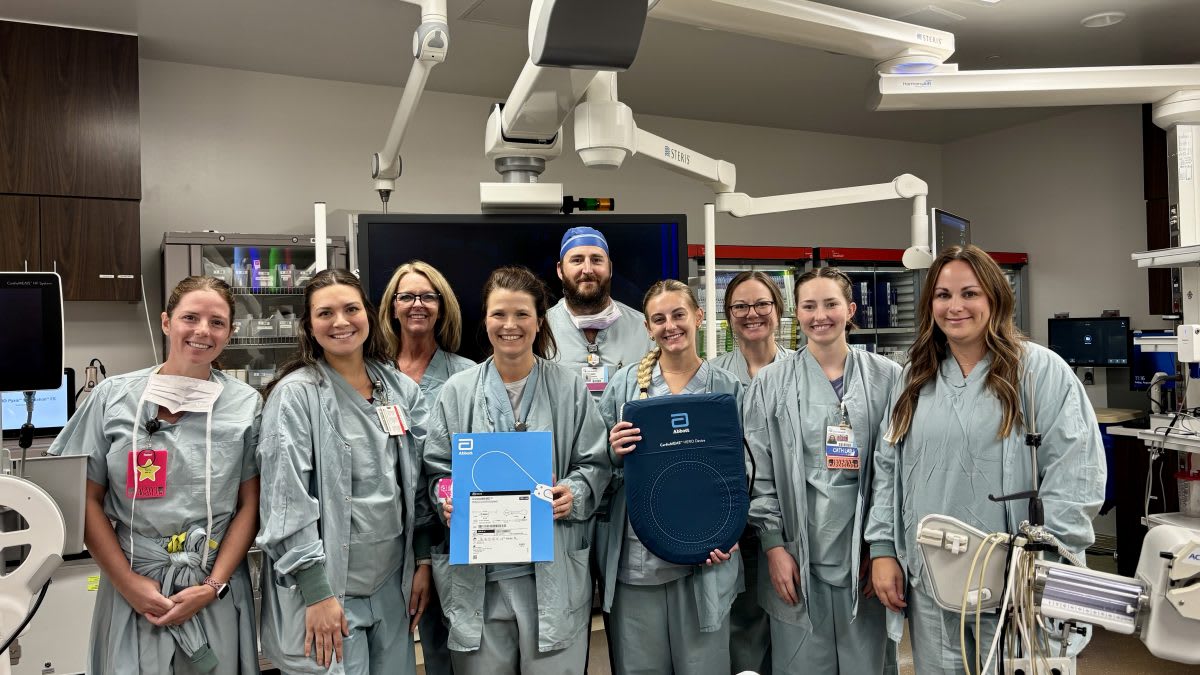
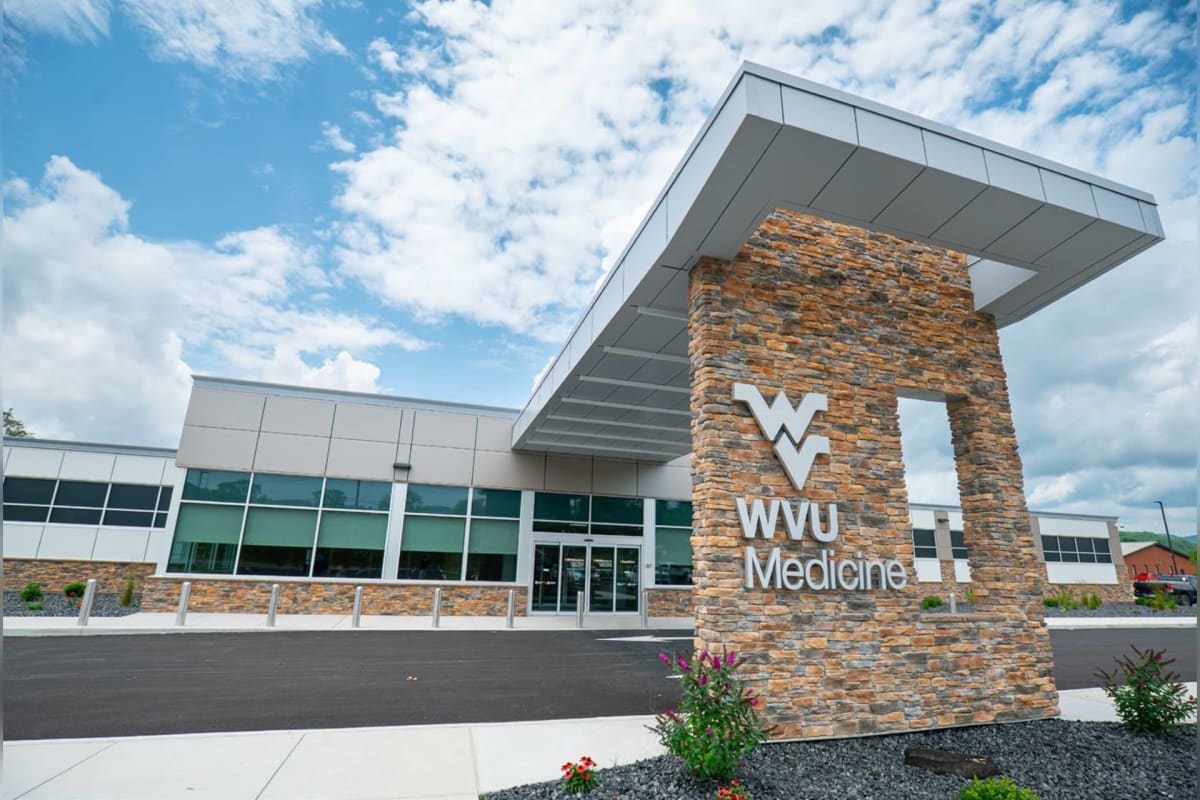
Elkins Corridor Medical Center recently became the latest facility in the WVU Medicine network to offer anti-amyloid monoclonal antibody infusion therapy for early-stage Alzheimer's disease. The therapy targets amyloid plaques in the brain and has been shown to slow disease progression, helping patients maintain cognitive function longer.
The first patient to receive treatment at the Elkins facility previously traveled to Morgantown for each infusion, a journey that consumed entire days and became especially stressful during West Virginia's harsh winter weather. Now, patients across the region can receive ongoing infusions at three participating WVU Medicine centers, choosing locations most convenient for their families.
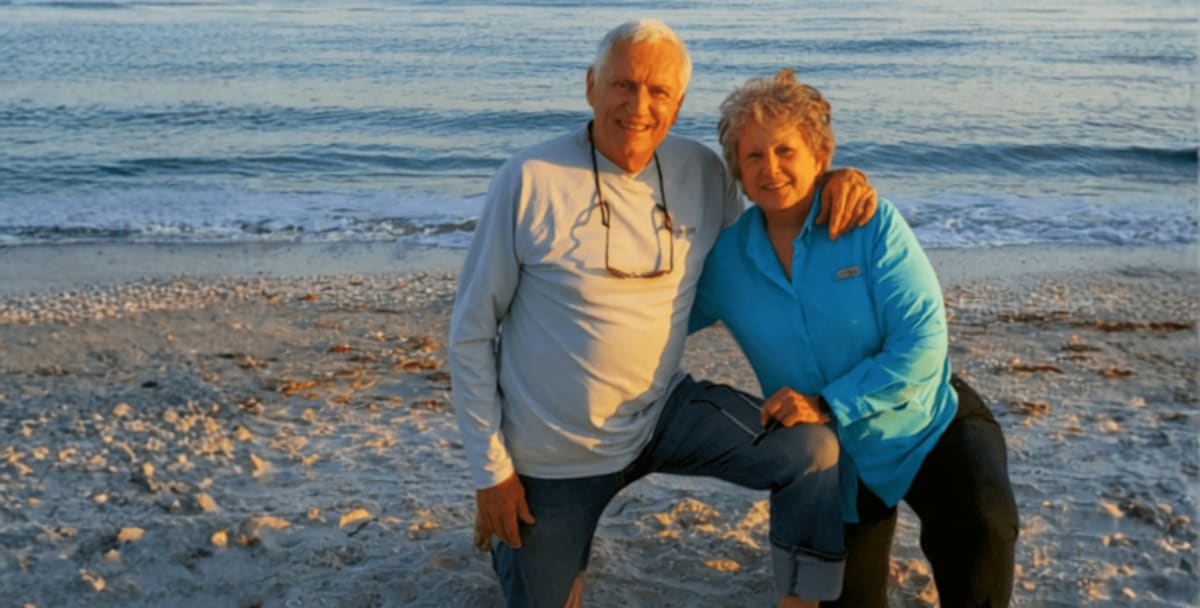
"Before, every infusion meant traveling to Morgantown, which often required an entire day and became especially stressful during inclement weather," shared one patient's family member. "Being able to receive these treatments in Elkins has saved us countless hours on the road, reduced travel expenses, and eased so much of the burden for us."
The treatment requires careful coordination between neurologists and infusion teams. Patients must first establish care with a neurologist who determines eligibility based on clinical criteria. Once approved, patients receive infusions on a structured schedule with routine brain MRI scans to monitor safety and effectiveness.
The Ripple Effect
Bringing specialized care to rural communities creates benefits far beyond convenience. Patients remain surrounded by family, friends, and familiar support systems during treatment instead of spending recovery time in distant hotel rooms. Caregivers preserve energy and resources for what matters most: supporting their loved ones through the disease journey.
The expansion reflects growing collaboration across the WVU Medicine system, with regional facilities sharing expertise and resources. "Offering this infusion speaks to the ability of our staff and to the benefit of being part of an institute and system," said Meredith Williams, regional director of Cancer Services.
As Alzheimer's disease affects millions of Americans, access to advanced therapies shouldn't depend on where someone lives. This program proves rural communities can deliver cutting-edge care when healthcare systems prioritize collaboration over centralization.
More Images


Based on reporting by Google News - Disease Cure
This story was written by BrightWire based on verified news reports.
Spread the positivity!
Share this good news with someone who needs it