Wetland Plant Recovers After 30 Years, Leaves Endangered List
A wetland plant on the brink of extinction for three decades has made such a remarkable comeback that it no longer needs federal protection. The northeastern bulrush population exploded from just 13 groups to 148 across eight states.
After 30 years of careful conservation work, the northeastern bulrush has bounced back from the edge of extinction and officially graduated off the endangered species list.
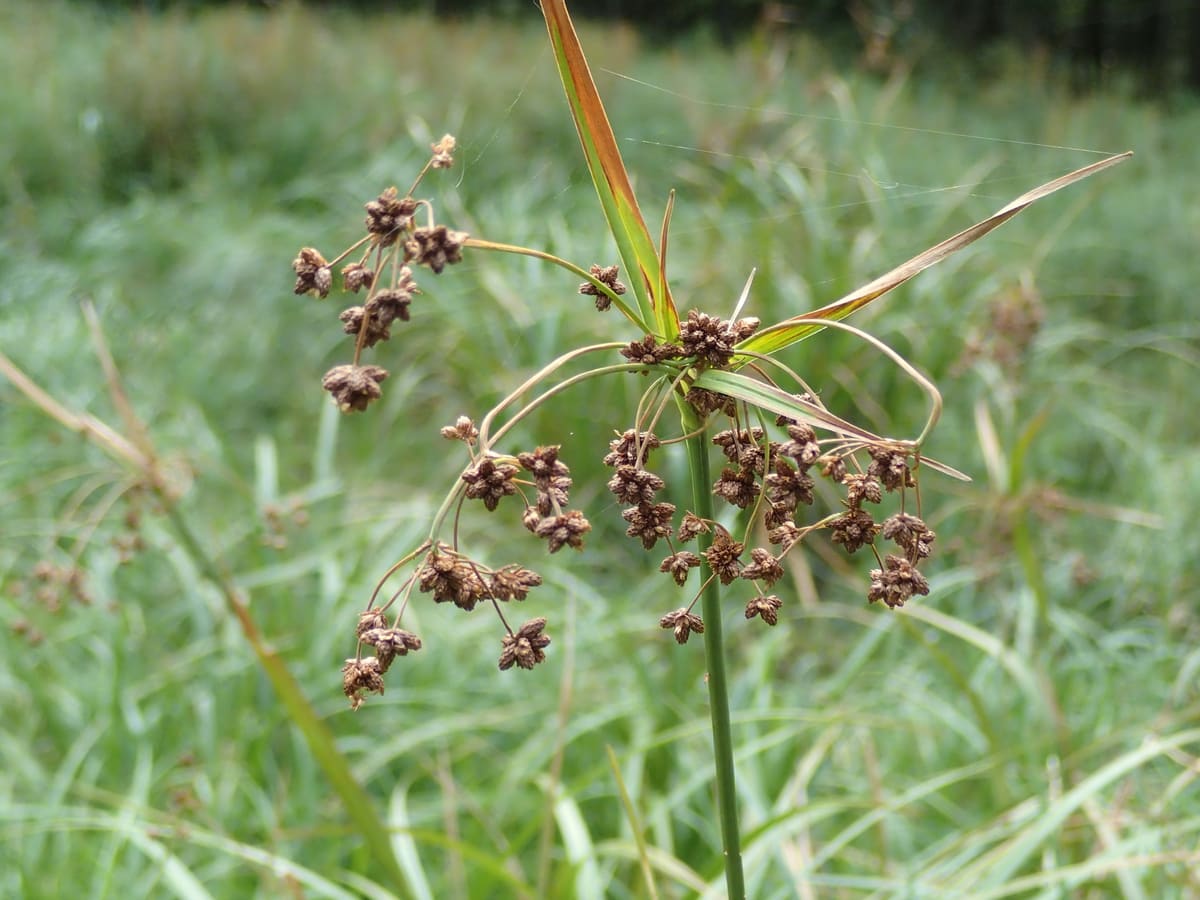
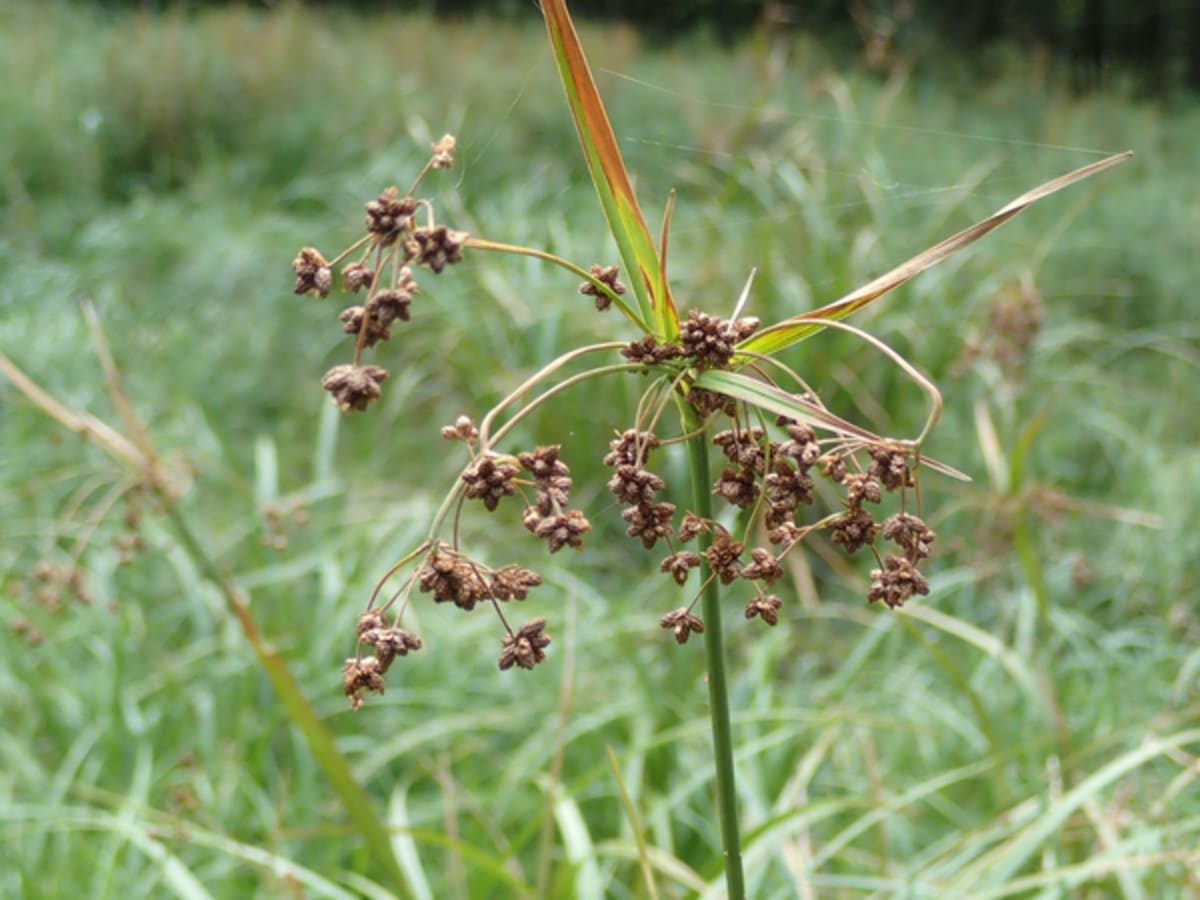
The grassy wetland plant with its distinctive brown flowering crown was barely hanging on in 1991. Scientists could only find 13 populations scattered across the Eastern United States. Today, the Fish and Wildlife Service counts 148 thriving populations spread across eight states from Virginia to New Hampshire.
The turnaround shows what dedicated conservation efforts can achieve. The bulrush, which makes its home in vernal pools and sinkhole ponds, now flourishes in protected wetlands throughout the region. Pennsylvania hosts nearly 60 percent of all populations, while Vermont claims more than a fifth and New Hampshire supports almost 10 percent.
Most of the recovered populations live on public land, giving them natural protection for the future. The states where the plant grows have also stepped up with their own conservation laws. Every state except West Virginia, which lacks endangered species legislation, maintains protections for the bulrush even after federal safeguards end.
The Ripple Effect
This recovery represents more than one plant species bouncing back. Wetlands support entire ecosystems, and healthy bulrush populations indicate that these critical habitats are recovering too. When wetlands thrive, they filter water, prevent flooding, and provide homes for countless other species.
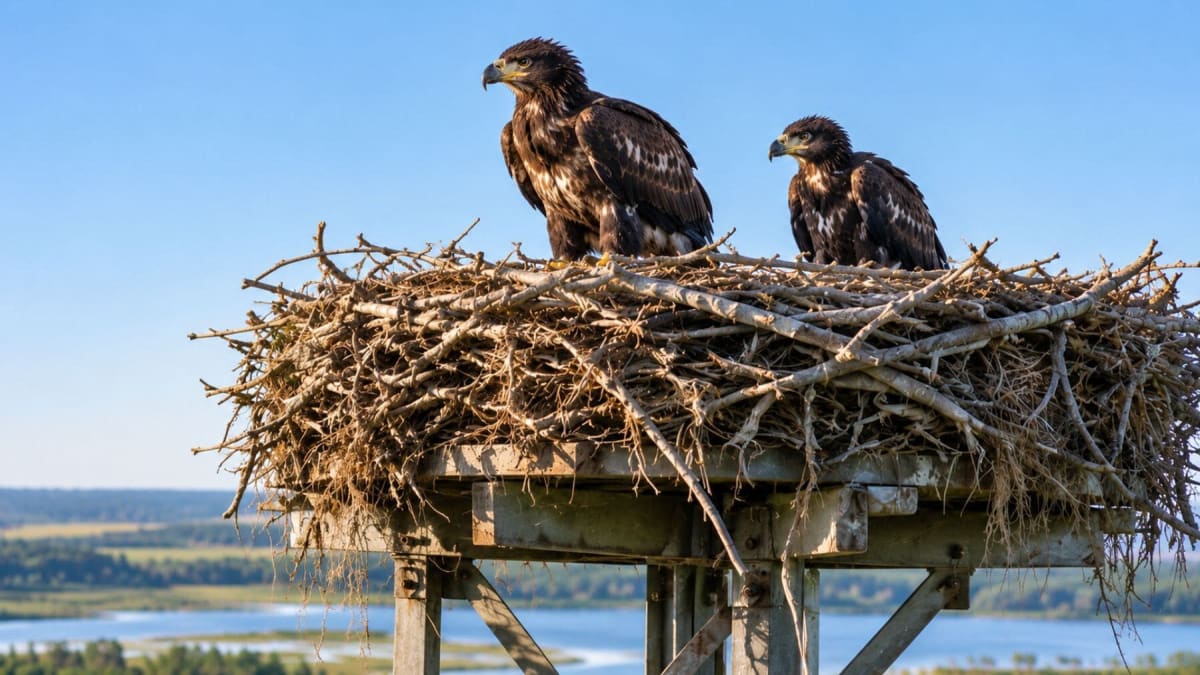
The success also proves that the Endangered Species Act works when given time and resources. The northeastern bulrush joined a growing list of American conservation victories, from bald eagles to humpback whales, that have recovered after receiving protection.
Conservation biologists point to this win as evidence that patient, science-based habitat protection delivers results. The bulrush recovery took three decades, but it created a sustainable future for a species that was nearly lost forever.
Every recovered species strengthens the web of life that supports healthy ecosystems across the country.
More Images



Based on reporting by Google: species saved endangered
This story was written by BrightWire based on verified news reports.
Spread the positivity!
Share this good news with someone who needs it