Rare Heron Spotted Where England's River Runs Wild Again
A rare black-crowned night heron has appeared at a Somerset estate where conservationists let a river reclaim its natural path. The result? A thriving wetland oasis attracting rare birds and wildlife in an otherwise dry English landscape.
When you give nature room to breathe, it throws a party. And everyone's invited.
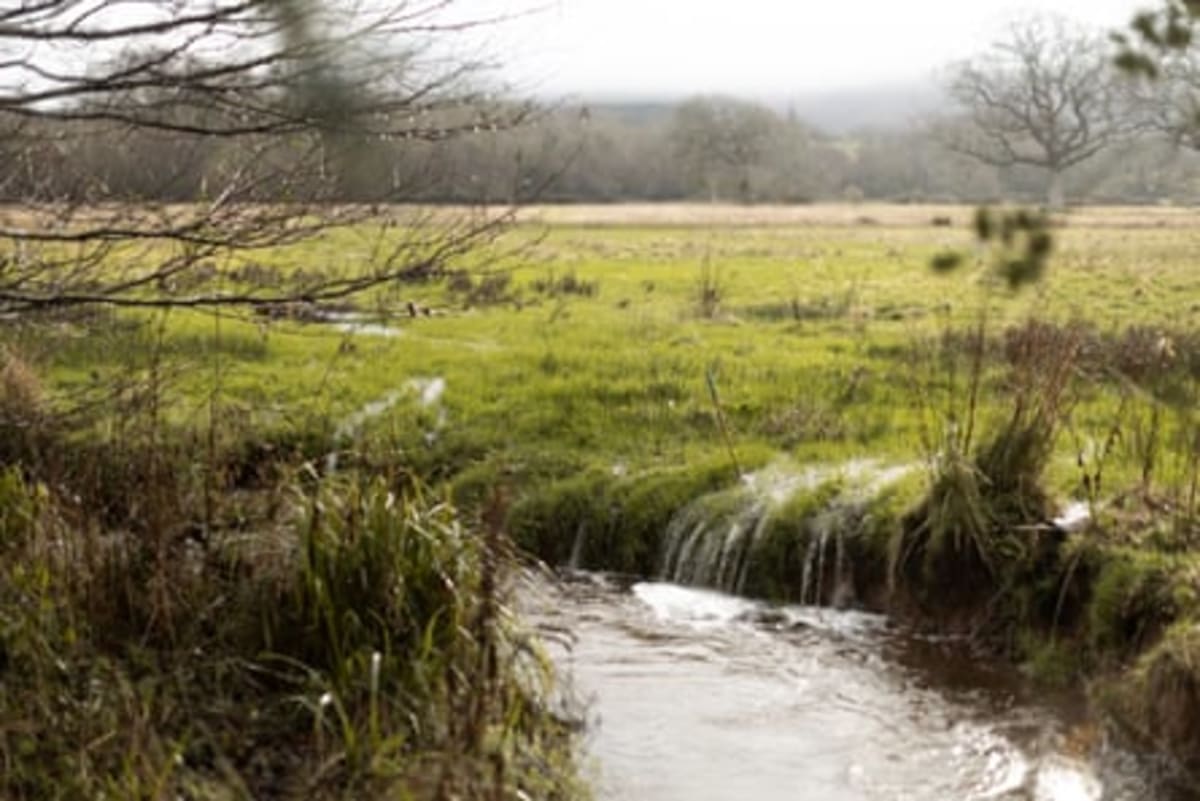
A rare black-crowned night heron just showed up at Somerset's Holnicote Estate, where conservationists did something radical: they let the River Aller run free. After 500 years of being squeezed into narrow channels by farmers, the river now spills, meanders, and creates its own pools and streams.
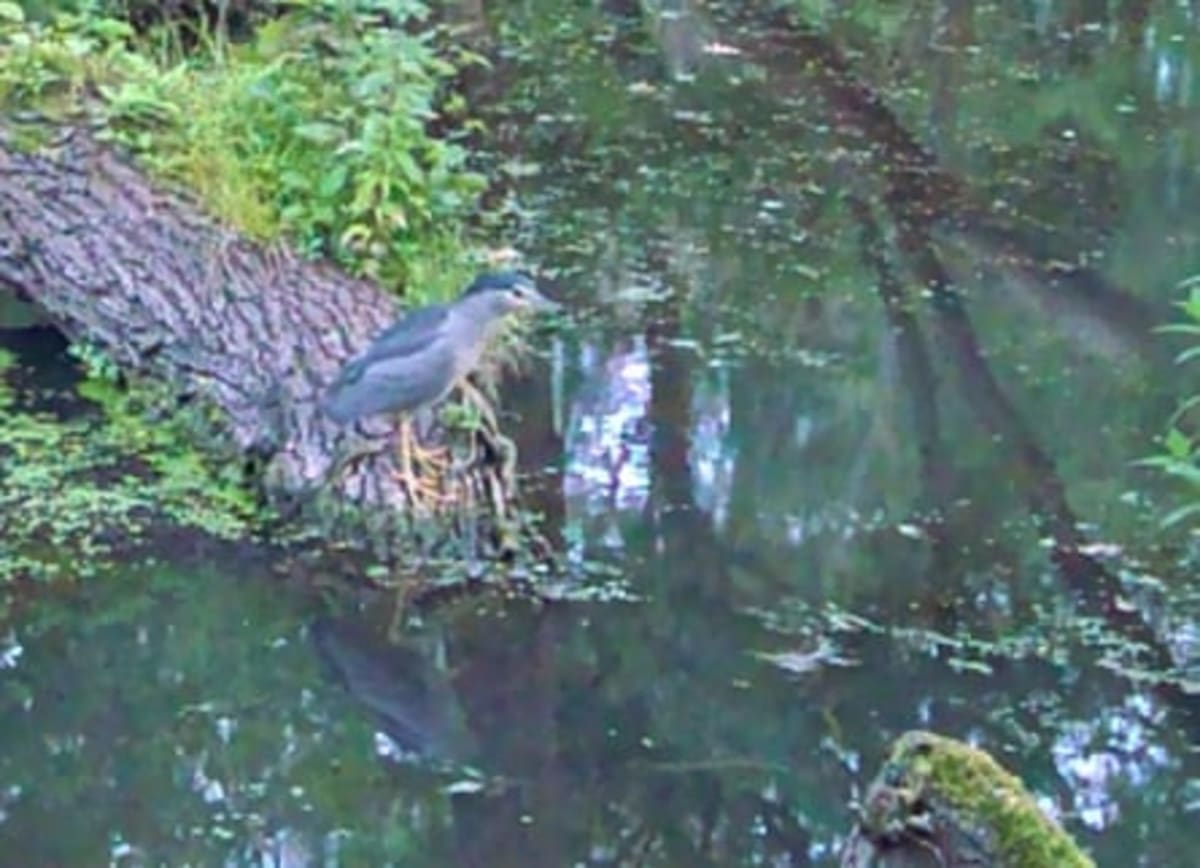
The heron appeared on camera three consecutive days, hunting in the lush wetland that's emerged. With its sleek grey plumage, yellow legs, and distinctive black cap trailing white plumes, this 26-inch bird is a scarce visitor to the UK. It typically lives across Africa, Asia, and mainland Europe.
Ben Eardley, the project manager, believes timing explains the surprise guest. While much of southern England bakes dry, Holnicote stays wet and green. The estate has become a refuge for wildlife seeking water and food.
The heron isn't alone. White-tailed eagles, recently reintroduced after extinction in the UK, have visited. So have cranes and white storks. Water voles, otters, pine martens, and grass snakes now call the estate home.
Inspired by rewilding projects in Oregon, the team freed a stretch of river to find its own course. The slower, wider water flow reduces flooding while creating perfect habitat for trout, sticklebacks, eels, and European bullhead fish. Those fish attract predators like the night heron.
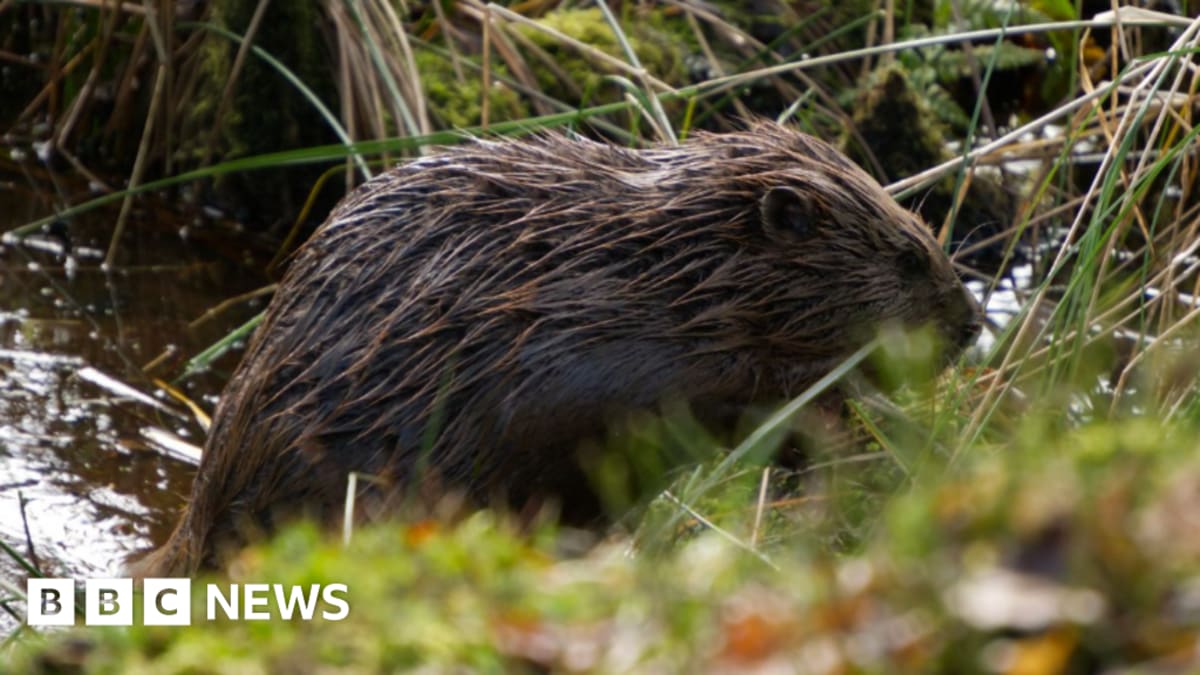
The camera capturing these moments was originally set up to livestream beavers, another part of the restoration effort. But the heron stole the show, appearing front and center for delighted online viewers.
The Ripple Effect
England has lost 90% of its wetlands over the past 500 years. Holnicote proves what happens when we give just a little bit back.
The surge in reptiles, amphibians, and insects created a buffet that drew bigger predators. Birds serve as visible proof that the ecosystem is growing more diverse. Each species that returns signals improving habitat quality, creating conditions for even more life to flourish.
What started as one freed river is now demonstrating a blueprint for landscape restoration across Britain.
One small stretch of liberated water is becoming a blueprint for bringing lost habitats back to life across England.
More Images


Based on reporting by Guardian Environment
This story was written by BrightWire based on verified news reports.
Spread the positivity!
Share this good news with someone who needs it