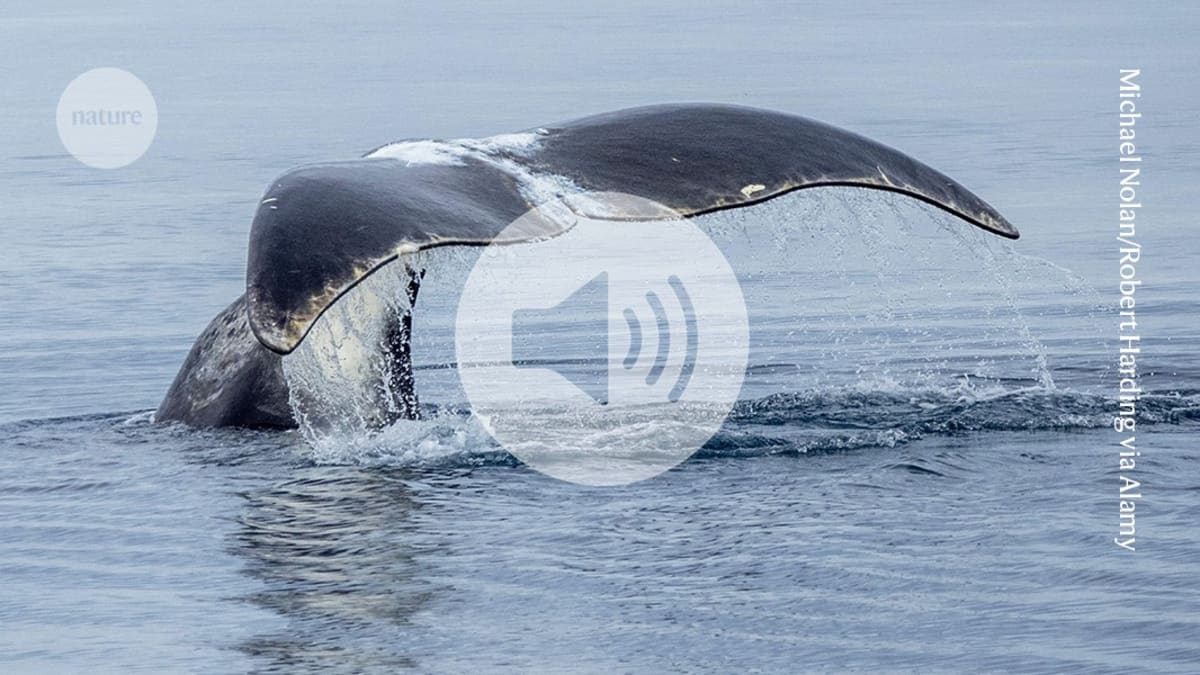
Whales and Mole Rats May Hold Secrets to Longer Human Lives
Scientists studying bowhead whales and naked mole rats have discovered these animals possess extraordinary DNA repair abilities that could revolutionize human longevity research. Their findings suggest that boosting our own DNA repair systems might one day help us live healthier, longer lives.
Imagine living 200 years like a bowhead whale or never getting cancer like a naked mole rat. Scientists are now unlocking the genetic secrets behind these animals' remarkable lifespans, and the discoveries could change human aging forever.
Researchers have found that some of Earth's longest-living creatures share a common superpower: exceptionally efficient DNA repair systems. Every day, our cells accumulate tiny errors in their DNA from everything from sunlight to normal metabolism, and these errors pile up over time, contributing to aging and disease.
But bowhead whales, which can live over two centuries, and naked mole rats, which live ten times longer than similar-sized rodents and rarely develop cancer, have evolved turbocharged repair mechanisms. Their cells fix DNA damage far more effectively than ours do.
The research team discovered specific genes in these animals that work overtime to patch up genetic mistakes before they cause problems. In lab studies, when scientists enhanced similar repair pathways in other organisms, those creatures showed signs of extended health spans.
This isn't science fiction anymore. Understanding exactly how these long-lived animals maintain their DNA could lead to therapies that boost human cellular repair systems, potentially preventing age-related diseases like cancer, Alzheimer's, and heart disease.
Why This Inspires
What makes this research truly exciting is its practical potential. Unlike searching for a mythical fountain of youth, scientists are studying real biological mechanisms that already exist in nature.
These animals aren't just living longer; they're living healthier. Naked mole rats remain active and disease-free for most of their three-decade lifespan, defying the usual trade-off between longevity and quality of life.
The findings also represent a beautiful example of how protecting biodiversity protects human health. Every species that survives carries millions of years of evolutionary solutions to problems we're still trying to solve.
Researchers emphasize they're not trying to make humans immortal. Instead, they hope to extend "healthspan," the years we live free from debilitating diseases, allowing people to stay active and independent longer.
Several biotechnology companies have already begun developing therapies based on these DNA repair insights. Early-stage clinical trials testing compounds that enhance cellular repair mechanisms are showing promise for treating age-related conditions.
The work continues as scientists map exactly which genes matter most and how they could be safely activated in humans. Each whale studied and each mole rat observed brings us closer to understanding the fundamental biology of aging.
Nature has spent millions of years perfecting these longevity systems, and now we're finally learning to read the instruction manual.
More Images


Based on reporting by Nature News
This story was written by BrightWire based on verified news reports.
Spread the positivity!
Share this good news with someone who needs it