What to Do After Reaching Your Weight Loss Goal on GLP-1s
Millions of Americans have lost significant weight using GLP-1 medications like Ozempic and Wegovy, but keeping it off requires a smart, sustainable plan. Here's the hopeful science behind maintaining your success.
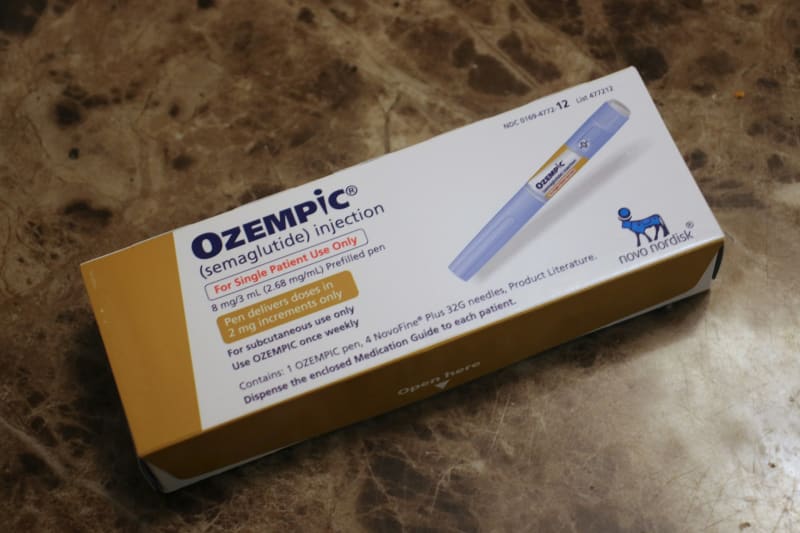
One in eight American adults has now tried a GLP-1 medication, and many have experienced life-changing weight loss of 15% to 20% of their body weight. But these powerful drugs are opening a new chapter in obesity medicine: learning how to maintain those incredible results.
Dr. Amy J. Sheer, an obesity medicine physician, says the key insight is simple. No medication replaces the foundational importance of nutrition, physical activity, sleep, and mental health for long-term success.
The science explains why maintenance matters so much. When people lose weight, the body interprets it as a threat and fights back by releasing more hunger hormones and burning fewer calories than expected. This metabolic adaptation is why keeping weight off has always been harder than losing it in the first place.
GLP-1 drugs work by mimicking a natural gut hormone that controls blood sugar and appetite. They signal fullness sooner and help people feel satisfied longer, making it easier to stick with healthier eating patterns.
Clinical trials show what happens when people stop taking these medications. A 2021 study found that participants who discontinued semaglutide regained about two-thirds of their weight loss within 48 weeks, while those who stayed on the medication continued progressing toward their goals.
For most patients, the most effective strategy is continuing GLP-1 treatment at the lowest effective dose. This approach helps regulate appetite and stabilize weight without requiring maximum doses indefinitely.
Another option is tapering off slowly over three to six months while reinforcing lifestyle habits that support long-term health. The choice depends on each person's unique situation, goals, and how their body responds.
Weight plateaus are completely normal, even on medication. In clinical trials, weight loss follows a predictable pattern: rapid early results, gradual slowing, and eventual stabilization after eight to 12 weeks. This isn't failure but rather the body adapting to its new weight.
The big picture is encouraging. Obesity is now recognized as a chronic disease requiring ongoing management, just like diabetes or high blood pressure. With GLP-1 medications becoming more accessible, including a new pill form of Wegovy, more people have tools to achieve and maintain healthier weights than ever before.
Why This Inspires
This represents a fundamental shift in how medicine approaches weight management. For decades, people blamed themselves when diets failed, but science now shows that biology was working against them all along. GLP-1 medications level the playing field by addressing the metabolic adaptations that make weight maintenance so difficult.
The real win is that success no longer depends on willpower alone. With medical support, lifestyle changes, and personalized treatment plans, maintaining weight loss is becoming achievable for millions who previously struggled despite their best efforts.
Every person's journey looks different, and that's exactly how it should be.
More Images


Based on reporting by Medical Xpress
This story was written by BrightWire based on verified news reports.
Spread the positivity!
Share this good news with someone who needs it