When Britain Abolished Tariffs and Proved Free Trade Works
In 1838, a group of economics-minded reformers launched a movement that would revolutionize how nations think about trade. Their fight against the Corn Laws became history's most successful case study in the power of open markets.
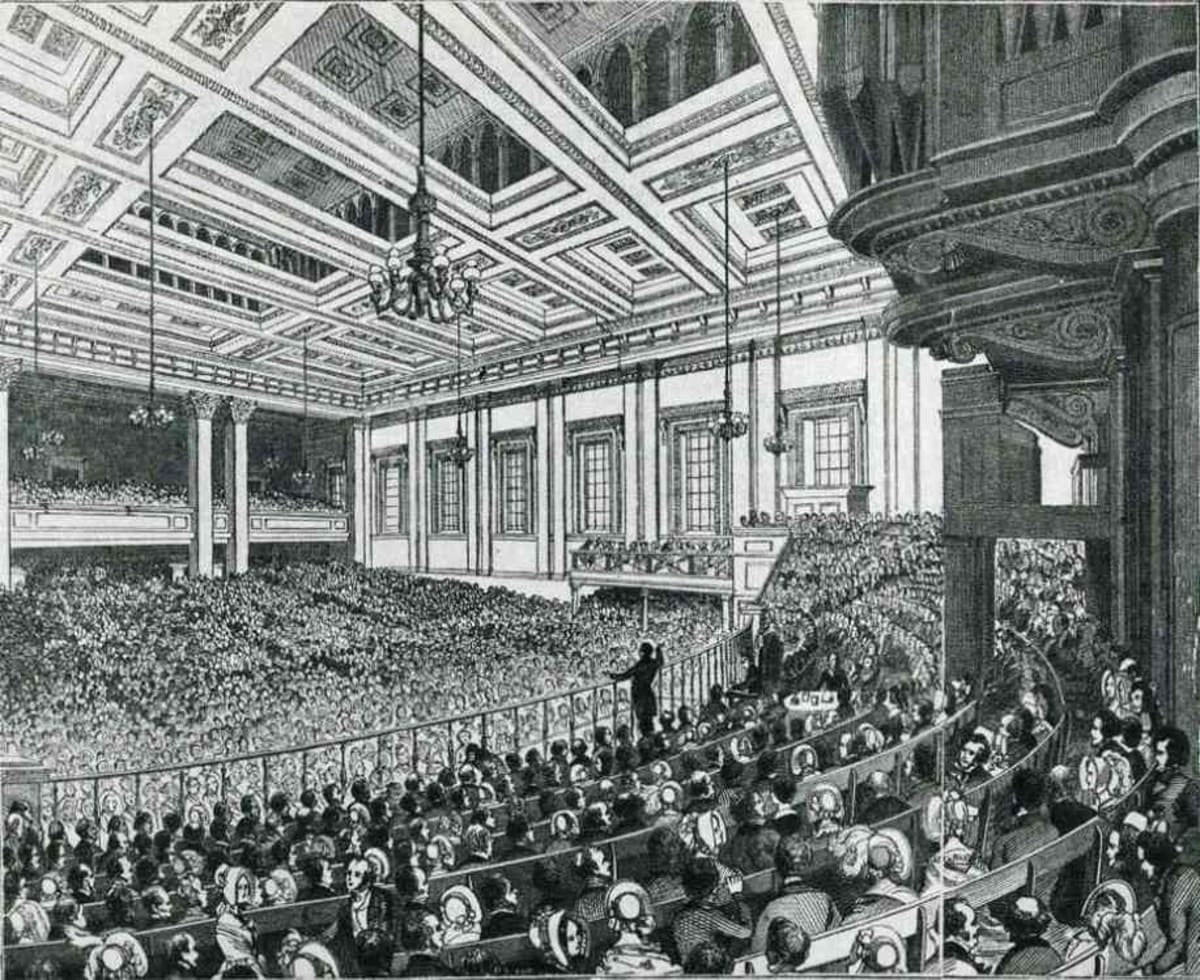
One hundred eighty-six years ago today, the Anti-Corn Law League formed in England to challenge tariffs that were hurting everyday people while claiming to protect them.
The Corn Laws of 1815 had imposed heavy taxes on imported grains, supposedly to protect British farmers. But the real cost was hidden from view.
Bread prices soared just as factory owners needed to reduce costs. Poor families couldn't afford food because bakers couldn't import cheaper grain, even during shortages. British farmers stopped innovating since their income was partially guaranteed. The middle and lower classes spent so much more on food that they had less money for other goods, dragging down the entire economy.
Richard Cobden and his fellow organizers saw something else too. The tariffs created unnecessary tension between nations that could otherwise trade peacefully and prosper together.
French economist Friedrich Bastiat later made the League's argument famous. Every economic policy has two effects: one that is seen and one that is unseen. Parliament saw protected jobs for some farmers. What remained unseen was the burden on everyone else.
The Ripple Effect
The League's victory in abolishing the Corn Laws established arguments against protectionism that echo through economics classrooms and policy debates today. Their success proved that what helps the overall economy often means letting go of policies that appear to help specific groups.
The lesson keeps resurfacing whenever governments consider new tariffs. Protecting one industry at the expense of consumers and other businesses creates exactly the problems the Anti-Corn Law League exposed nearly two centuries ago.
Their movement showed that citizen advocacy grounded in sound economics can overturn entrenched interests. When people understood how the tariffs actually affected their daily lives, they demanded change and got it.
The reformers gave future generations a roadmap for challenging policies that look protective on the surface but cause widespread harm underneath, proving that economic freedom and human flourishing go hand in hand.
More Images



Based on reporting by Good News Network
This story was written by BrightWire based on verified news reports.
Spread the positivity!
Share this good news with someone who needs it