%2Fhttps%3A%2F%2Ftf-cmsv2-smithsonianmag-media.s3.amazonaws.com%2Ffiler_public%2Fc1%2F6a%2Fc16ac6d5-f437-4c71-9c41-7399ad528794%2Febola-outbreak.jpg)
WHO Announces Promising Ebola Treatments for Congo Outbreak
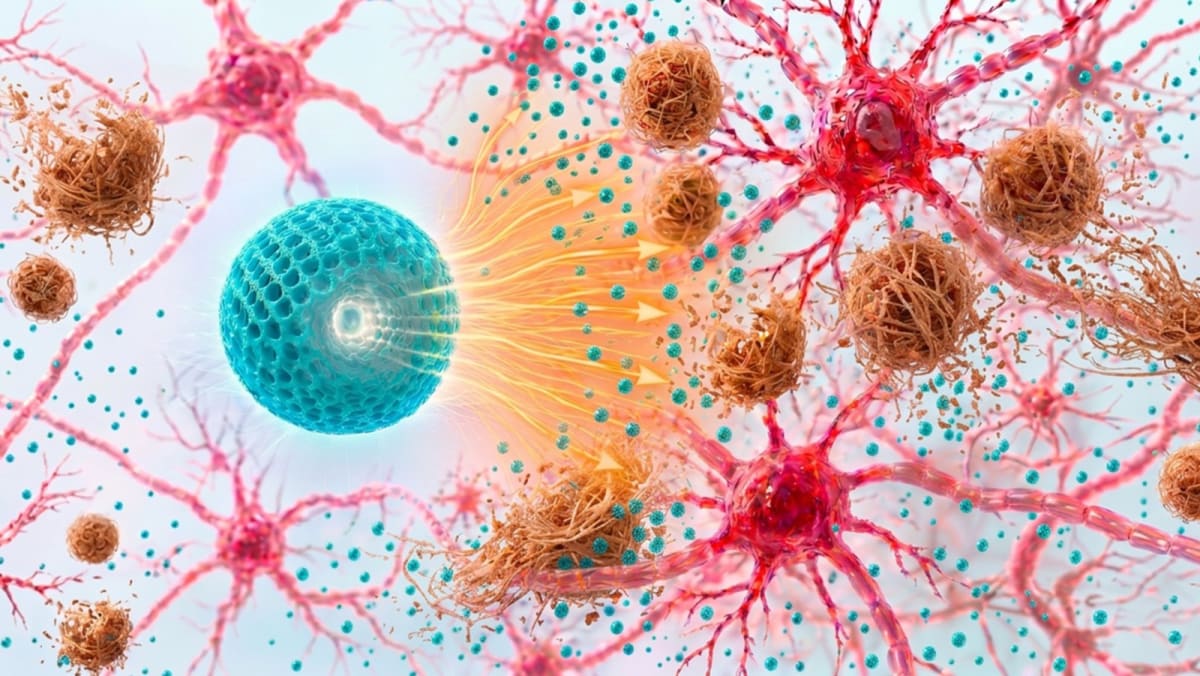
Health experts have identified several experimental treatments and vaccines that could help slow a deadly Ebola outbreak in Congo and Uganda. A repurposed COVID-19 pill shows particular promise in preventing the disease after exposure.
After more than 1,000 Ebola cases emerged in Congo and Uganda, the World Health Organization just announced a breakthrough lineup of treatments that could save lives.
The current outbreak involves the rare Bundibugyo virus, which until now had no approved vaccines or treatments. But on May 28, WHO revealed several experimental drugs that experts believe could turn the tide against this deadly disease.
The most exciting candidate is obeldesivir, a pill originally developed for COVID-19 by California-based Gilead Sciences. Researchers are preparing to launch trials in affected countries, hoping it can prevent infection in people recently exposed to the virus.
The drug's track record is impressive. In animal studies, obeldesivir prevented death in 80 to 100 percent of monkeys when given within 24 hours of exposure to other Ebola strains. While it hasn't been tested specifically against Bundibugyo virus yet, it proved safe in a large clinical trial involving nearly 2,000 COVID-19 patients.
"Since we don't have vaccines, this is something you can do immediately that could be effective," says Ira Longini, a biostatistician at the University of Florida. The approach relies on quickly identifying and treating people who've been in contact with infected individuals.
Two candidate vaccines are also moving forward. The most promising option, called rVSV Bundibugyo vaccine, should be ready for clinical trials in seven to nine months.
The Bright Side
Scientists are also testing MBP134, an antibody treatment isolated from the blood of an Ebola survivor. This drug is designed to fight all species of Ebola virus and has already helped ferrets and monkeys survive infections in laboratory studies.
Thomas Geisbert, a virologist at the University of Texas Medical Branch, says obeldesivir "potentially has some utility" for the current outbreak. Even remdesivir, the FDA-approved COVID-19 treatment, might help Ebola patients if given early enough after infection.
The pandemic taught researchers how to develop and test treatments faster than ever before, and that knowledge is now being applied to save lives in Central Africa.
More Images
%2Fhttps%3A%2F%2Ftf-cmsv2-smithsonianmag-media.s3.amazonaws.com%2Ffiler_public%2Fc1%2F6a%2Fc16ac6d5-f437-4c71-9c41-7399ad528794%2Febola-outbreak.jpg)
%3Afocal(3330x2252%3A3331x2253)%2Fhttps%3A%2F%2Ftf-cmsv2-smithsonianmag-media.s3.amazonaws.com%2Ffiler_public%2Fc1%2F6a%2Fc16ac6d5-f437-4c71-9c41-7399ad528794%2Febola-outbreak.jpg)
%2Fhttps%3A%2F%2Ftf-cmsv2-smithsonianmag-media.s3.amazonaws.com%2Faccounts%2Fheadshot%2FSara_-_Headshot_thumbnail.png)
Based on reporting by Smithsonian
This story was written by BrightWire based on verified news reports.
Spread the positivity!
Share this good news with someone who needs it