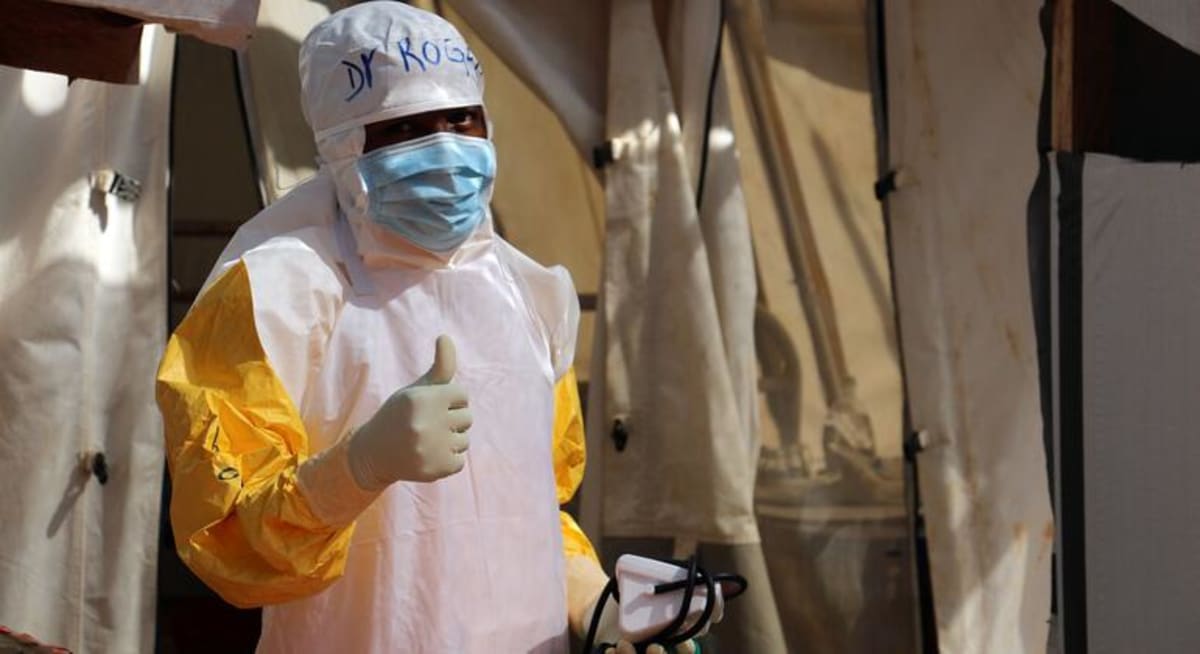
WHO Expands Ebola Treatment in DR Congo With New Guidelines
The World Health Organization is ramping up treatment capacity for a rare Ebola outbreak in eastern Congo, building modern isolation facilities and releasing the first comprehensive care guidelines for the deadly virus. Clinical trials for promising new medicines are set to begin within weeks.
Health workers in the Democratic Republic of Congo are getting powerful new tools to fight a rare strain of Ebola, as the World Health Organization expands treatment centers and releases groundbreaking clinical guidelines.
WHO has built individual isolation rooms that meet the latest safety standards in eastern DRC's Ituri province, where the Bundibugyo species of Ebola is spreading. The upgraded facilities include a 10,000-litre water tank to ensure proper patient care and expanded capacity for suspected cases.
The timing couldn't be better. This outbreak is particularly challenging because no approved vaccines or treatments exist yet for this Bundibugyo strain, unlike the more common Zaire strain that devastated West Africa in 2014.
But hope is on the horizon. Clinical trials of "promising medicines" are expected to start in the coming weeks, bringing potentially life-saving treatments to affected communities for the first time.
WHO Director-General Tedros Adhanom Ghebreyesus visited the outbreak's epicenter and acknowledged a difficult truth: many communities feel the world only wants to protect itself from Ebola rather than truly caring about their wellbeing. This mistrust, combined with ongoing conflict and population displacement, makes the response more complex.
The Ripple Effect
The new WHO guidelines represent something much bigger than one outbreak. For the first time ever, health workers worldwide now have comprehensive, evidence-based recommendations for treating all filovirus diseases, including Ebola and Marburg.
The 16 recommendations focus on practical, life-saving interventions like rapid treatment of dehydration, laboratory monitoring, and prompt treatment of bacterial infections. Even without vaccines or specialized drugs, these early supportive care measures can dramatically improve survival rates.
The guidelines also include structured follow-up care for survivors, recognizing that beating Ebola is just the beginning of recovery. This holistic approach preserves human dignity alongside saving lives.
WHO emphasized that early recognition, quick referral, and optimized supportive care remain the foundation of effective treatment, especially in resource-limited settings. These guidelines will help health workers in future outbreaks respond faster and more effectively, potentially saving thousands of lives in years to come.
The organization is also pushing back against broad travel restrictions, which Tedros called "an unnecessary overreaction that do more harm than good." Instead, WHO is advocating for cross-border cooperation and investment in comprehensive health services that address malaria, maternal health, measles, and malnutrition alongside epidemic diseases.
Communities deserve protection from all health threats, not just the ones that make international headlines.
Based on reporting by Google News - New Treatment
This story was written by BrightWire based on verified news reports.
Spread the positivity!
Share this good news with someone who needs it