WHO Helped 30 Million People in Crisis Zones in 2025
The World Health Organization reached 30 million people living through war, disaster, and displacement last year with life-saving healthcare. Now they're launching an ambitious plan to help even more people in 2026.
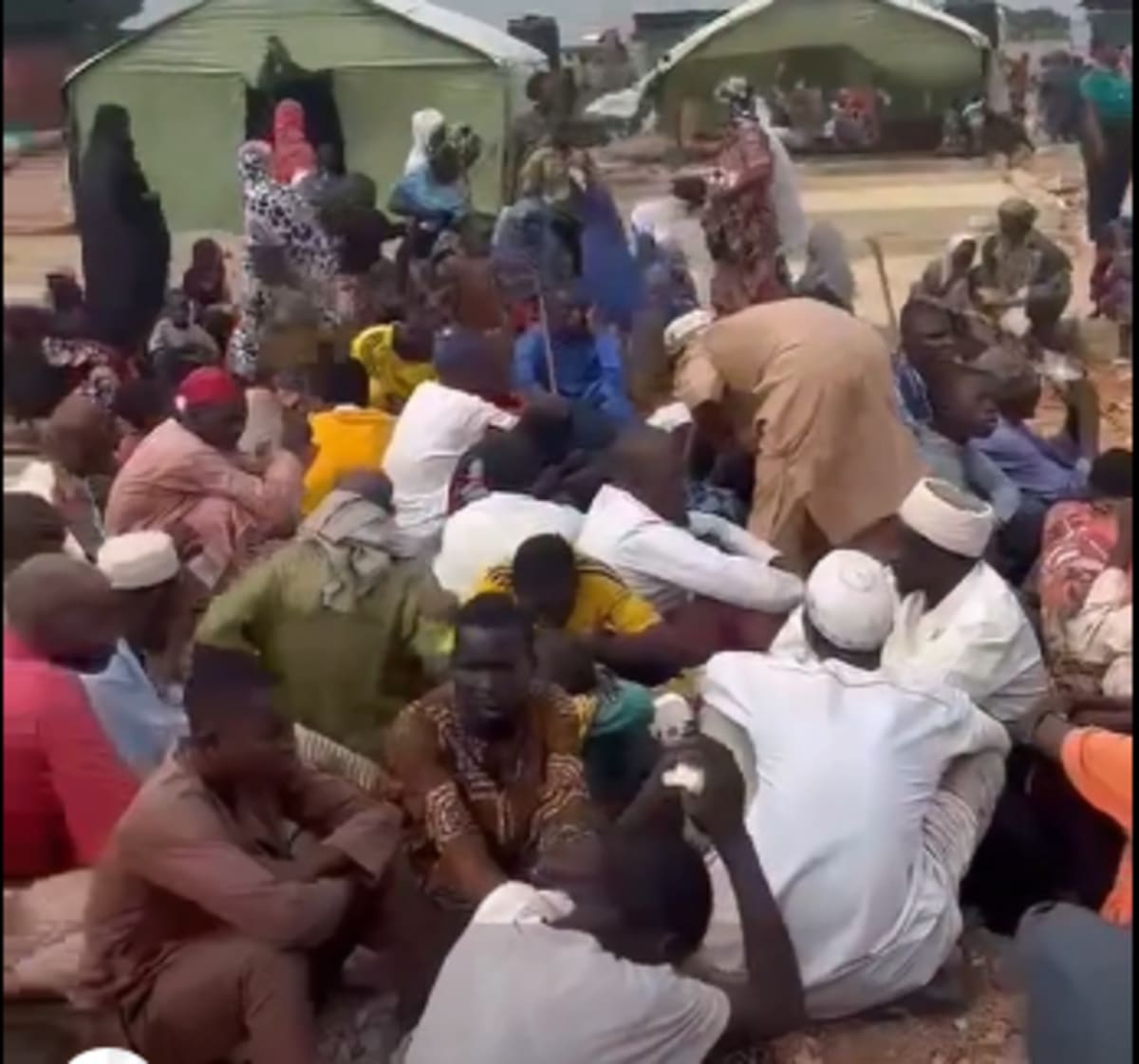
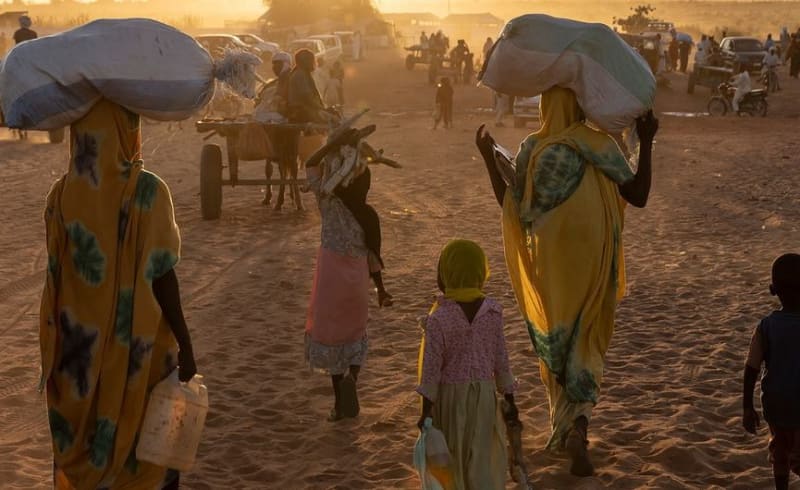
Millions of people caught in conflicts and humanitarian crises received medical care in 2025, thanks to a global health effort that's expanding this year.
The World Health Organization and its partners delivered healthcare to 30 million people in emergency zones last year. That included vaccinating 5.3 million children, running 53 million health consultations, keeping 8,000 health facilities open, and deploying 1,370 mobile clinics to reach people in remote areas.
Now the organization is asking for nearly $1 billion to respond to 36 emergencies worldwide in 2026. The plan targets places like Afghanistan, Haiti, Myanmar, South Sudan, Sudan, Syria, Ukraine, and Yemen, where healthcare systems have been shattered by conflict or disaster.
"This appeal is a call to stand with people living through conflict, displacement and disaster," said Dr. Tedros Adhanom Ghebreyesus, WHO Director-General. "Access to health care restores dignity, stabilizes communities and offers a pathway toward recovery."
The work happens in some of the world's most dangerous places. WHO coordinates more than 1,500 partners across 24 crisis zones globally, making sure local health workers and national authorities lead the response.
Their teams keep essential hospitals running during bombings and earthquakes. They deliver emergency medical supplies and trauma care to the injured. They prevent disease outbreaks from spreading and restore routine vaccinations that children missed during chaos.
The Ripple Effect
When healthcare reaches people in crisis zones, it creates waves of stability that spread far beyond the clinic walls. A child vaccinated against measles won't spread the disease to neighboring communities. A mother who receives prenatal care is more likely to have a healthy baby who grows into a productive adult. A health facility that stays open becomes an anchor of normalcy in a neighborhood torn apart by conflict.
Ireland and Norway are leading supporters of the effort, providing flexible funding that lets WHO respond immediately when new emergencies strike. That quick response prevents small health problems from exploding into regional epidemics.
The timing matters more than ever. Global humanitarian funding dropped below 2016 levels last year, meaning WHO could only reach one-third of the 81 million people who needed help.
Healthcare in crisis zones isn't just mercy work. It stops diseases from spreading across borders, reduces the refugee flows that strain neighboring countries, and helps communities recover faster when peace finally comes.
Based on reporting by AllAfrica - Headlines
This story was written by BrightWire based on verified news reports.
Spread the positivity!
Share this good news with someone who needs it