WHO Races to Congo as Teams Battle Rare Ebola Strain
Health workers are mobilizing across Congo to fight a challenging Ebola outbreak, with WHO's top leader traveling to affected communities to coordinate response efforts. Teams are providing critical care and working with local residents to stop the disease's spread.
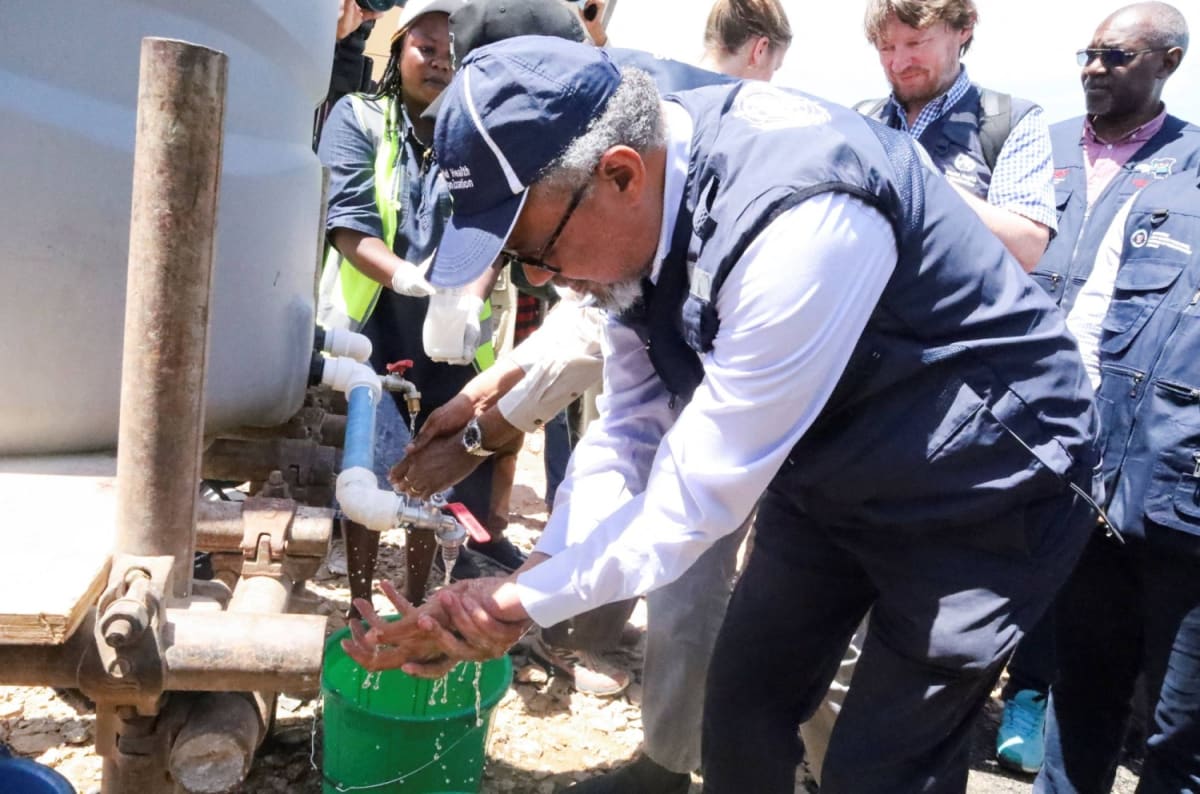
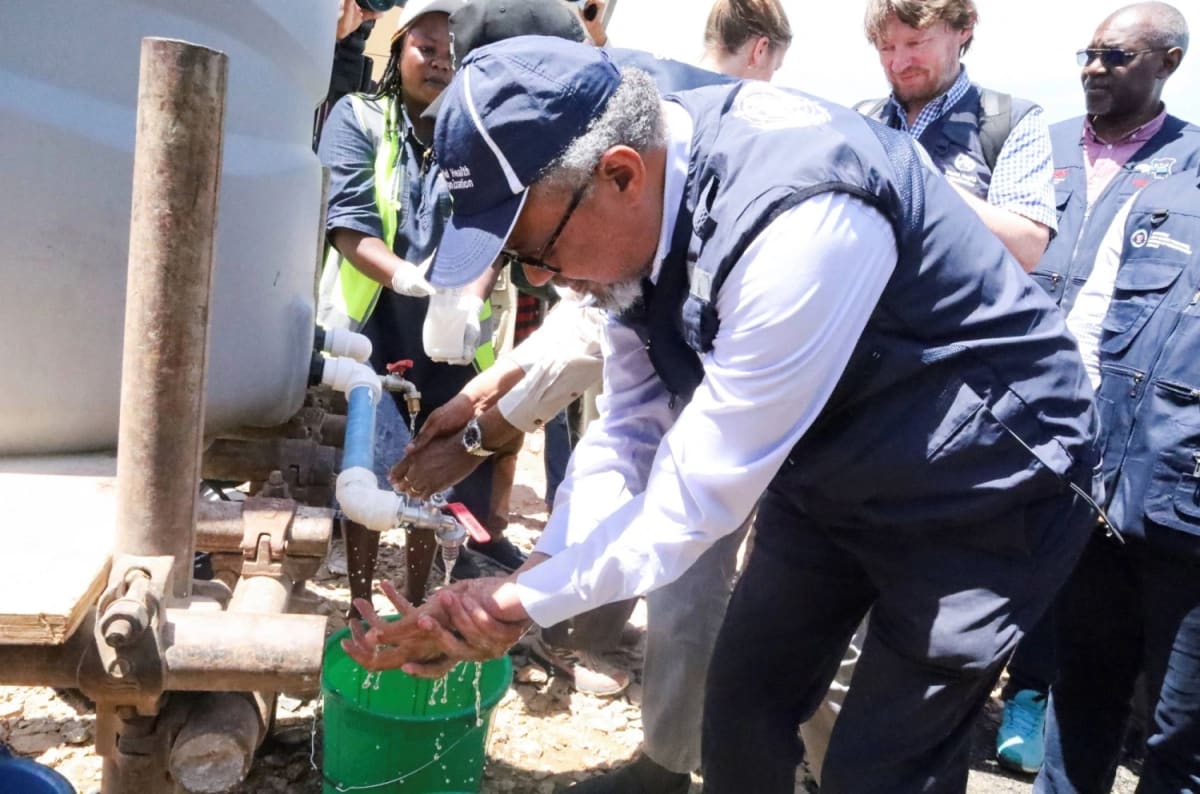
The World Health Organization's director-general flew directly into Congo's hardest-hit region this weekend, bringing global attention and resources to communities facing a rare Ebola strain.
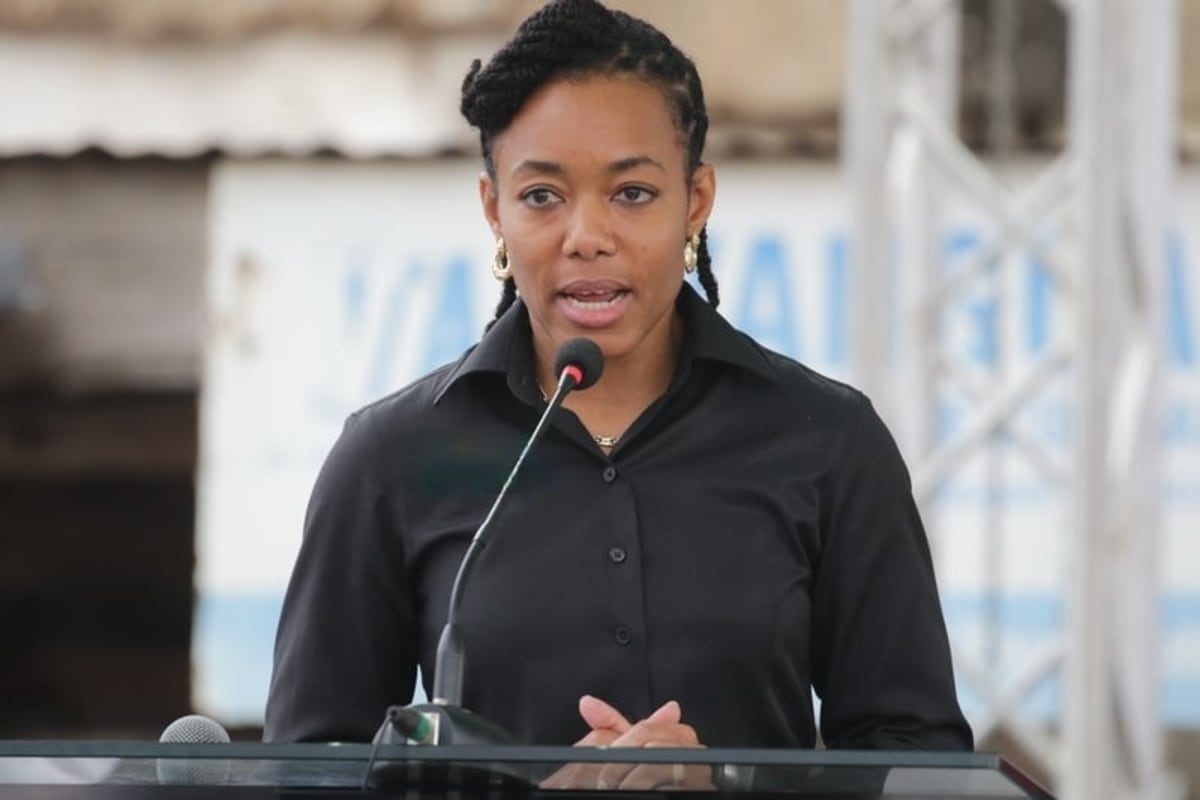
Tedros Adhanom Ghebreyesus landed in Bunia, the capital of Ituri province, where health workers confirmed the first cases of this outbreak earlier this month. He met with Congo's health minister and Prime Minister Judith Suminwa Tuluka to coordinate the expanding response effort.
This marks Congo's 17th Ebola outbreak since the disease was discovered 50 years ago, and medical teams face a unique challenge. The Bundibugyo strain spreading now has no approved vaccines or treatments yet, unlike other Ebola strains that now have preventive tools available.
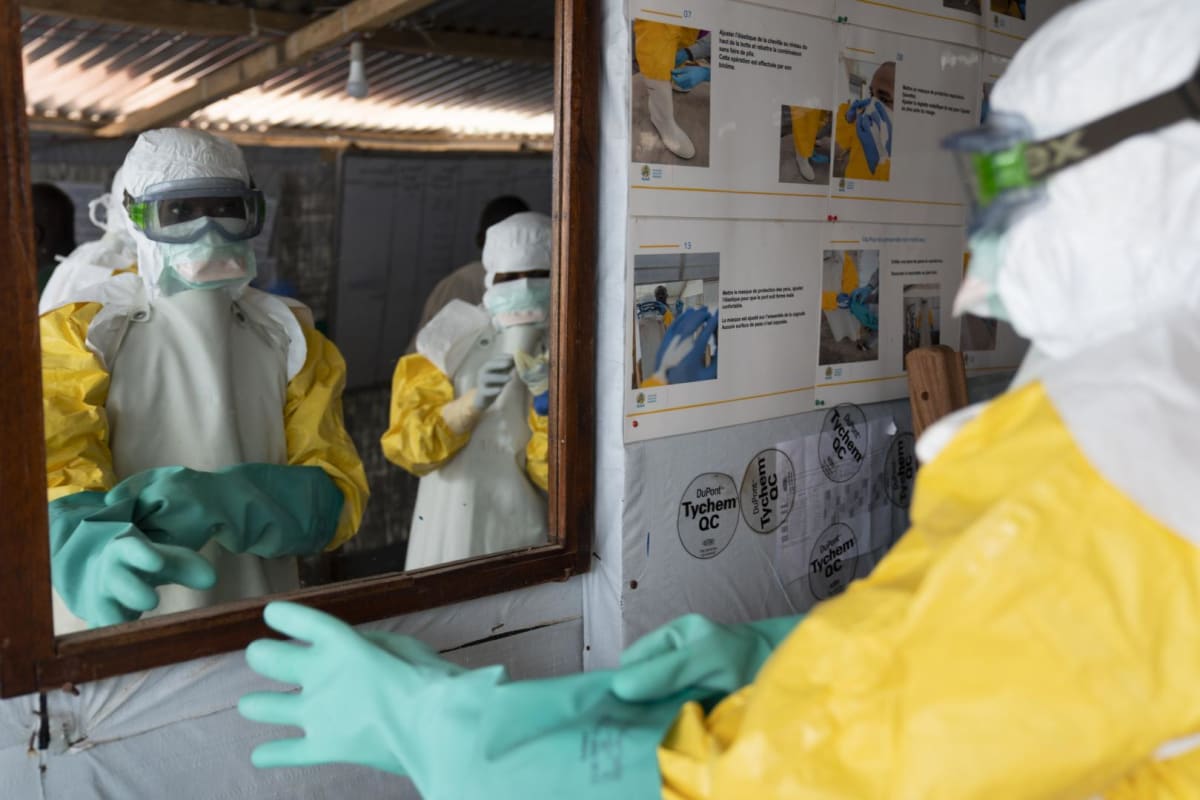
Health workers are focusing on what they can do right now to save lives. Teams are providing palliative care including isolation to prevent spread, rehydration therapy, and pain management for patients who seek treatment early.
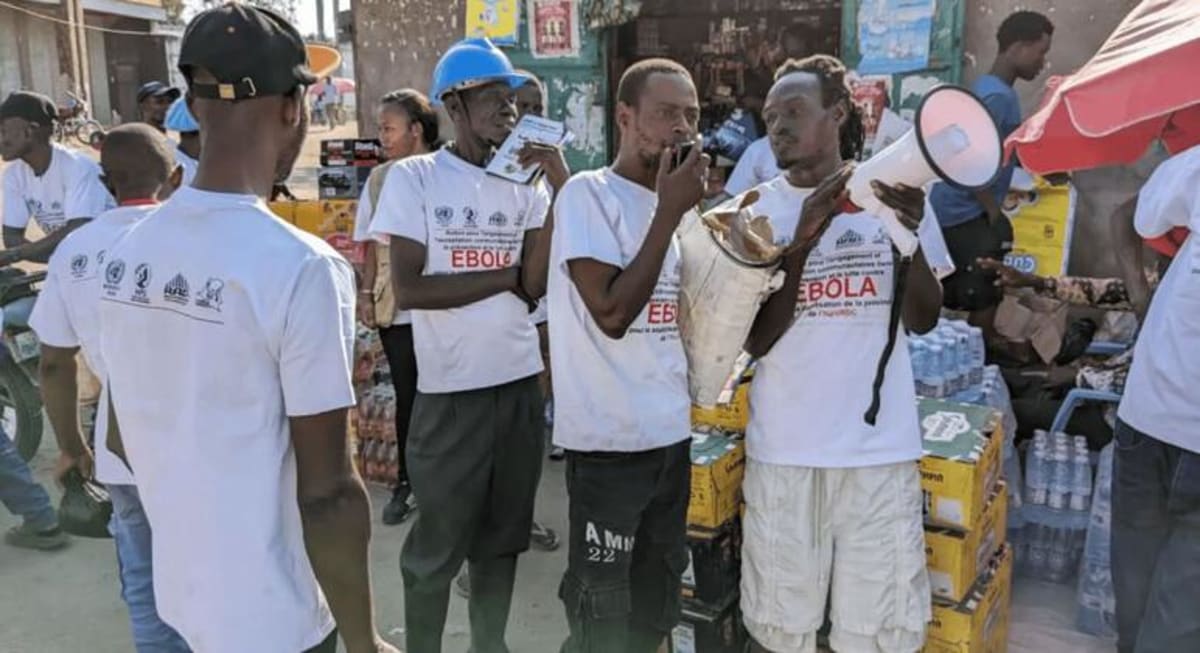
The WHO chief spent time urging local residents to come forward for care and to practice safe burial methods. Community engagement has proven essential in past outbreaks, as traditional practices can sometimes accelerate transmission.
Medical teams are working around the clock to track cases and prevent further spread. The response includes setting up treatment centers, training local health workers, and educating communities about symptoms and prevention.
The Bright Side
Congo has successfully fought 16 previous Ebola outbreaks, and that hard-won experience is guiding today's response. Local health workers know their communities and understand what strategies work best in their regions.
The global health community has also learned enormous lessons from past outbreaks. The infrastructure, knowledge, and coordination systems built over decades mean teams can now respond faster and more effectively than ever before.
Having the WHO's top leader personally visit affected areas sends a powerful message that the world is paying attention and resources are flowing to where they're needed most. This kind of high-level engagement often accelerates funding and support.
Health workers on the ground remain committed to their communities, even when facing difficult circumstances and a strain without approved vaccines. Their dedication gives hope that this outbreak can be contained through proven public health measures and compassionate care.
More Images

Based on reporting by Japan Times
This story was written by BrightWire based on verified news reports.
Spread the positivity!
Share this good news with someone who needs it