WHO Sets First-Ever Global School Meal Standards
The World Health Organization just released the world's first global standards for school meals, giving countries a roadmap to help kids develop healthy eating habits that last a lifetime. With childhood obesity now outnumbering underweight cases globally, these guidelines couldn't come at a better time.
Lunchtime is getting a major upgrade around the world, thanks to groundbreaking new guidance from the World Health Organization.
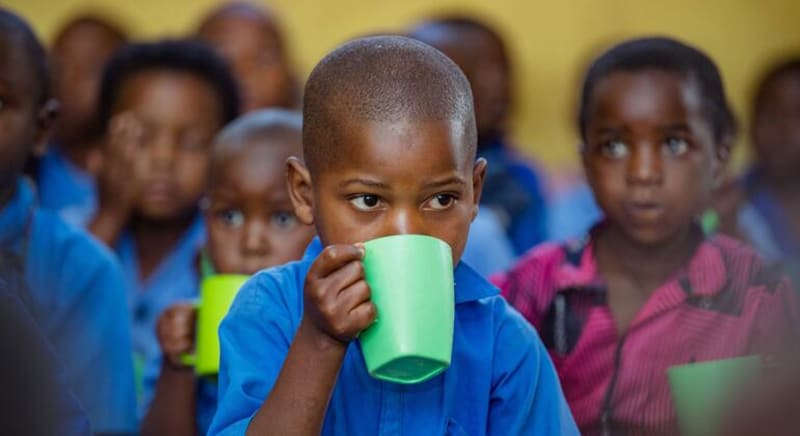
For the first time ever, WHO has released global standards for healthy school meals, giving countries clear recommendations on what kids should eat during their school day. The timing matters: childhood obesity just surpassed underweight cases worldwide in 2025, with one in ten school-aged children now living with obesity.
"The food children eat at school can have a profound impact on their learning, and lifelong consequences for their health and well-being," said WHO Director-General Tedros Adhanom Ghebreyesus.
The science backs him up. For millions of children who spend most of their day at school, the cafeteria line shapes more than just their lunch. It influences eating habits that follow them into adulthood.
Right now, only 104 countries have policies for healthy school food. Even fewer (just 48 nations) restrict marketing of foods high in sugar, salt, or unhealthy fats to children at school.
WHO's new guidelines change that landscape. The recommendations call for more whole grains, fruits, nuts, and pulses on school menus while limiting free sugars, saturated fats, and sodium.
The guidance goes beyond just swapping chips for apples. WHO suggests "nudging interventions" like changing how food is packaged, placed, or portioned to gently steer kids toward healthier choices without taking away their agency.
The Ripple Effect
These standards arrive at a critical moment for global health. Diabetes now affects over 800 million people worldwide, and poor nutrition during childhood plays a significant role in chronic disease later in life.
But here's the hopeful part: catching kids early works. When schools create healthy food environments, children don't just eat better lunches. They learn patterns that protect their health for decades to come.
WHO isn't just releasing recommendations and walking away. The organization plans to support countries with technical assistance, knowledge-sharing, and collaborative tools to actually implement these changes in real classrooms and cafeterias.
The message is clear: what happens on a lunch tray today shapes the health of entire generations tomorrow, and now the world has a proven playbook to get it right.
Based on reporting by UN News
This story was written by BrightWire based on verified news reports.
Spread the positivity!
Share this good news with someone who needs it