Why Arabic Learners Now Choose Dialects Over Formal Arabic
Language students worldwide are ditching traditional formal Arabic classes and going straight to real-world dialects like Moroccan Darija and Egyptian Arabic. The shift reflects how people actually want to connect with cultures, families, and everyday conversations.
For decades, learning Arabic meant starting with Modern Standard Arabic, the formal language of news and literature. But thousands of students are now choosing a different path that gets them speaking faster and connecting deeper.
Instead of textbook grammar, they're learning the Arabic people actually speak at home. Moroccan Darija, Egyptian Arabic, and Levantine dialects are replacing MSA as the first stop for language learners worldwide.
The reason is simple. Students who spent years studying formal Arabic still felt nervous ordering coffee or greeting neighbors. That's because Modern Standard Arabic isn't what people speak in daily life. When Moroccans chat with friends or send voice notes, they use Darija. When Egyptians joke around, they speak Masri.
Online learning platforms accelerated this trend. Digital education focuses on practical outcomes: what to say right now, how to sound natural, how to actually have a conversation. Short video lessons and tutoring apps made dialect learning accessible to anyone with a phone.
Heritage learners are driving much of the demand. Across Europe and North America, people with Arabic-speaking families want to connect with grandparents and understand family stories. They don't want generic Arabic. They want the exact words their relatives use at the dinner table.
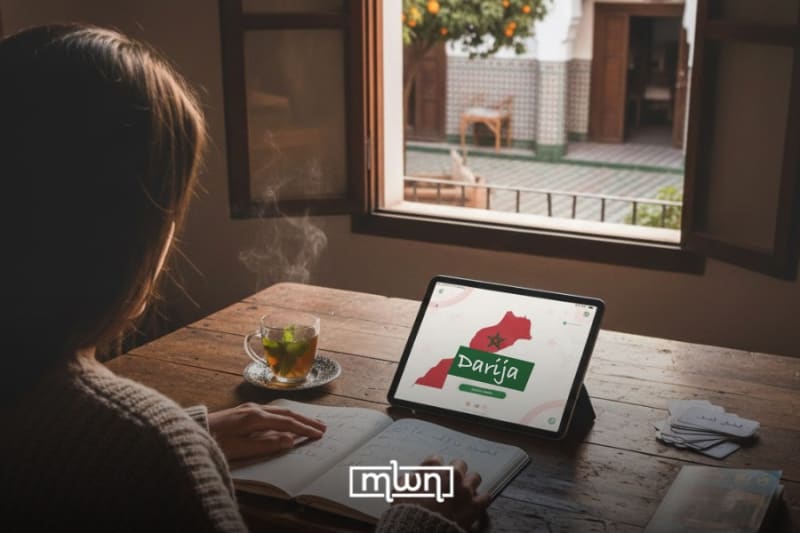
Moroccan Darija stands out as especially popular. The dialect blends Arabic with Amazigh languages, French, and Spanish, reflecting centuries of cultural exchange. For learners, it unlocks Morocco as it's actually lived, with all its humor and warmth.
Tourism and business relationships play a role too. Visitors to Morocco who learn basic Darija phrases build trust and show genuine respect. International workers discover that conversational dialect opens doors that formal language can't.
The Ripple Effect
This shift doesn't mean formal Arabic is disappearing. Instead, learners treat Arabic like English or French, wanting both formal literacy and everyday fluency. Many students actually find that learning a dialect first increases their motivation. Once they can hold simple conversations, they're more excited to tackle formal grammar later.
The best resources teach through real situations that repeat naturally: greetings, celebrations, family visits. Ramadan and Eid phrases, for example, give beginners authentic expressions they'll actually use. Quality dialect courses include Arabic script, pronunciation guides, cultural context, and audio practice.
The language learning revolution puts real human connection first, and dialects are winning because they deliver exactly that.
Based on reporting by Morocco World News
This story was written by BrightWire based on verified news reports.
Spread the positivity!
Share this good news with someone who needs it