Why BECCS Carbon Capture Failure Is Actually Good News
The expensive carbon capture technology that climate models relied on to save the planet isn't happening, and scientists say that's a win. Bioenergy with carbon capture would have made emissions worse for decades while costing taxpayers billions.
A technology that was supposed to save us from climate change is dying, and researchers are celebrating.
For nearly two decades, climate models have assumed we'd harvest plants, burn them for energy, and capture the carbon dioxide underground. This approach, called BECCS, appeared in official climate projections showing how global temperatures could drop back down after overshooting safe levels.
There was just one problem: it never actually existed as a working solution. What started as a theoretical idea from Swedish researchers in 2001 somehow became the "official solution" in major climate reports by 2014, despite never being proven at scale.
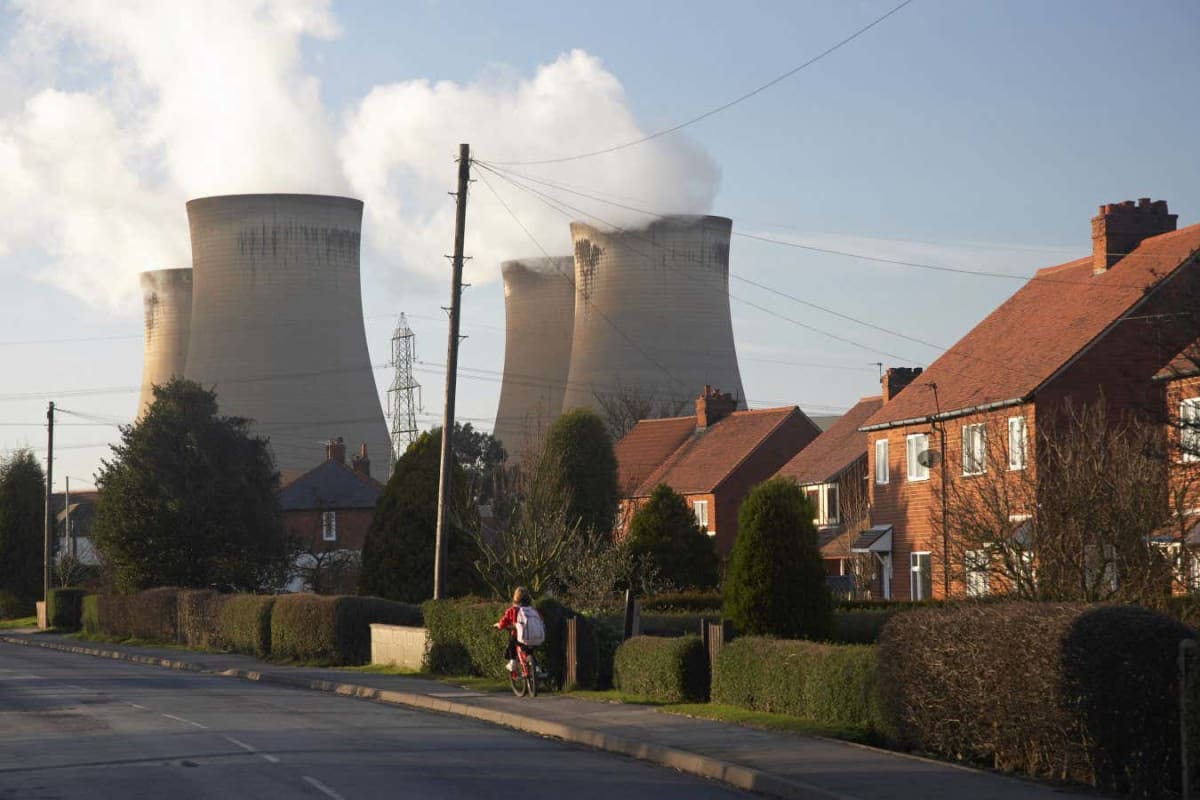
Now the world's flagship project has collapsed. The Drax Power Station in England converted from coal to wood pellets a decade ago with plans to capture carbon. This month, the company shelved those plans indefinitely, citing massive costs and technical challenges.
The Bright Side
Scientists like Tim Searchinger at Princeton University say this failure is actually protecting us from a costly mistake. His team's new computer model reveals that BECCS would take 150 years to remove any carbon dioxide from the atmosphere. For the first few decades, it would actually release more emissions than burning natural gas without any capture technology.
The math explains why. Burning wood produces twice as much carbon per unit of energy as burning gas. Capturing that carbon requires so much energy that plants would need to burn even more wood just to power the capture process. Meanwhile, harvesting destroys existing forests that are already absorbing carbon naturally.
If governments had spent billions subsidizing BECCS, they would have accelerated climate change while destroying biodiversity and tripling electricity costs. Instead, those investments can now flow toward solutions that actually work: wind and solar power that reduce emissions immediately rather than decades from now.
The collapse of BECCS removes a dangerous fantasy from climate planning. Policymakers can no longer count on a magical technology to clean up emissions later, which means they must focus on preventing those emissions today.
Real climate solutions don't require hoping that expensive, unproven technologies will somehow work in the future; they're already here, getting cheaper every year, and ready to deploy now.
More Images



Based on reporting by New Scientist
This story was written by BrightWire based on verified news reports.
Spread the positivity!
Share this good news with someone who needs it