German Village Pays 12 Cents for Power During Energy Crisis
While Europe's energy prices soared during the Hormuz crisis, Feldheim's 130 residents barely noticed. Their secret: complete energy independence built from wind, solar, and local farm waste.
When energy costs exploded across Europe during the Hormuz crisis, residents of Feldheim, Germany had a very different experience. They kept paying just 12 cents per kilowatt-hour while their neighbors struggled with skyrocketing bills.
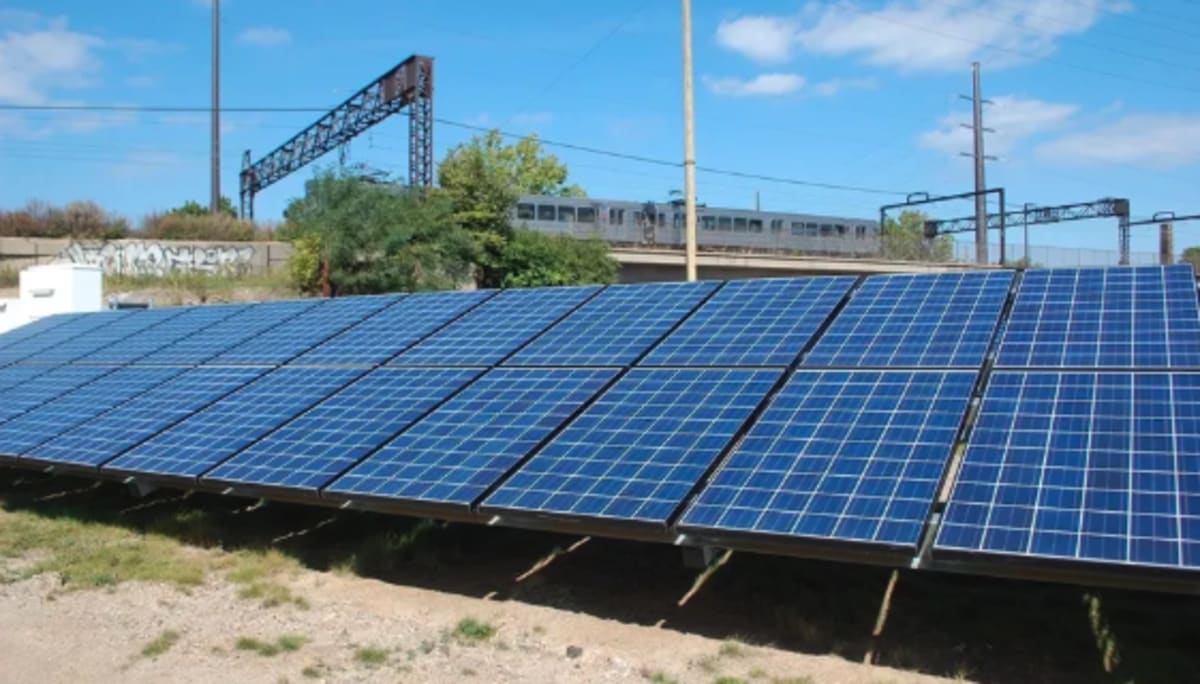
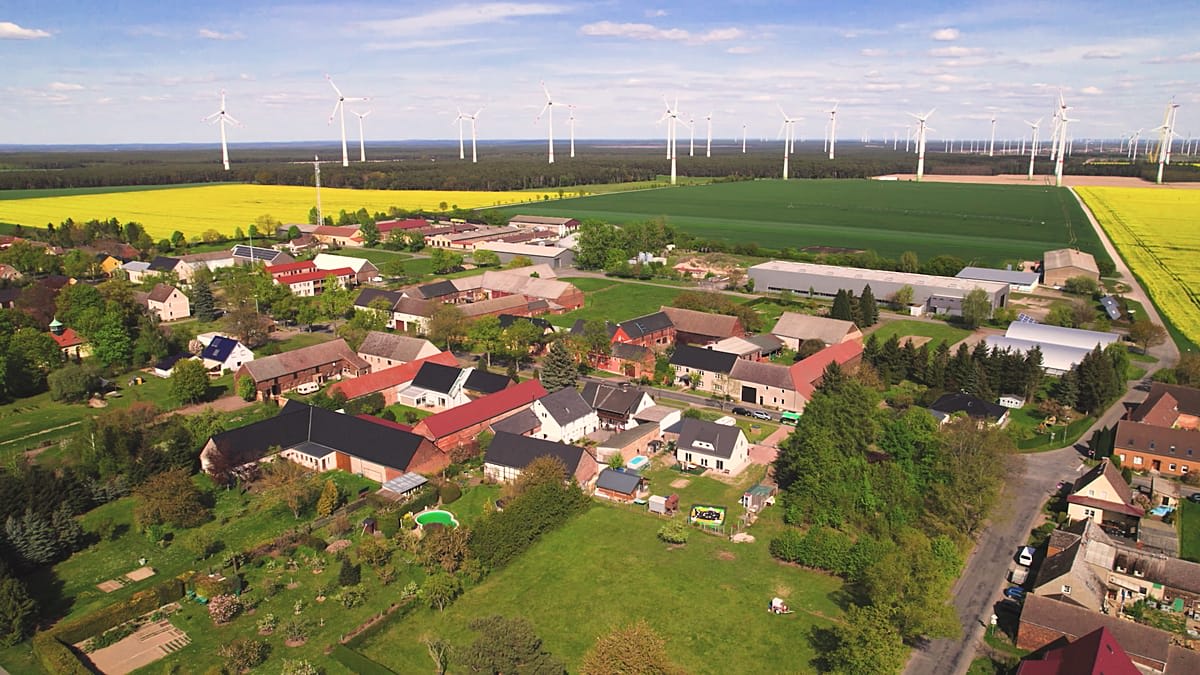
The tiny village of 130 people runs entirely on its own renewable energy grid. Wind turbines on the village outskirts, a biogas plant powered by corn and manure from local farms, solar panels on a former Soviet military site, and a wood chip boiler work together to keep the lights on.
The village produces far more electricity than it needs. The extra power gets sold back to Germany's national grid, turning Feldheim into an energy exporter.
A ten-megawatt battery storage system, funded partly by the European Regional Development Fund, keeps everything stable when the wind stops blowing or clouds roll in. It's the backup that makes independence actually work.
Getting here wasn't simple. When major utility companies refused to cooperate, Feldheim built its own electricity grid from scratch. That bold move gave residents control over their power and their prices.
Michael Raschemann heads Energiequelle, the energy company that made the project possible. He sees Feldheim as proof that small communities have an advantage big cities don't.
"Small villages like Feldheim truly come alive when they can directly benefit from the energy they produce," Raschemann explains. "Unlike big cities, which simply don't have the option of supplying themselves entirely."
The project needed several things to click: good geography for renewables, a tight-knit community willing to try something different, investors with vision, and supportive government policy at national and European levels. Those pieces don't exist everywhere.
The Ripple Effect
Feldheim shows what's possible when communities take energy into their own hands. The village proves that renewable independence isn't just an environmental choice but an economic shield against global market shocks.
While not every town can replicate Feldheim's exact model, the lesson travels well. Local renewable energy can protect communities from forces beyond their control while creating genuine affordability.
When the next energy crisis hits, Feldheim will be ready.
Based on reporting by Euronews
This story was written by BrightWire based on verified news reports.
Spread the positivity!
Share this good news with someone who needs it