Why Early Dog Sounds Sparked Language Theory Debate
Scientists once believed human language started with "bow-wow" animal sounds or emotional grunts like "ouch." These quirky 19th-century theories had silly names but tackled humanity's biggest mystery. #
Before emojis, before Shakespeare, before the first word was ever spoken, how did humans learn to talk?
Scientists have been chasing this mystery for centuries, and some of their earliest guesses are as entertaining as they are thought-provoking. In the 1800s, researchers proposed theories with names like "Bow-Wow" and "Pooh-Pooh" to explain how speech began.
The Bow-Wow Theory suggested our ancestors mimicked nature. Early humans copied animal cries, thunder crashes, and splashing water to create the first words. Words like "buzz" and "splash" seem to prove the point because they sound like what they mean.
But here's the catch: different cultures hear the same sounds differently. English dogs say "woof," Turkish dogs go "hev-hev," and Indonesian dogs bark "guk-guk." Even animal noises get filtered through culture.
The Ding-Dong Theory took a different approach. It argued that sounds and meanings connect in a deeper, almost magical way. Words like "teeny" and "itsy-bitsy" feel small, while "lump" and "plump" sound heavier.
Modern researchers tested this with nonsense words. When asked to match "bouba" and "kiki" to shapes, most people paired the soft-sounding "bouba" with rounded shapes and sharp "kiki" with jagged ones. The connection is real, but it explains only a tiny slice of language.
Other theories focused on emotion and teamwork. The Pooh-Pooh Theory proposed speech started with gut reactions like "ouch" or "oh." The Yo-He-Ho Theory imagined language emerging from rhythmic work chants, like sailors pulling ropes together.
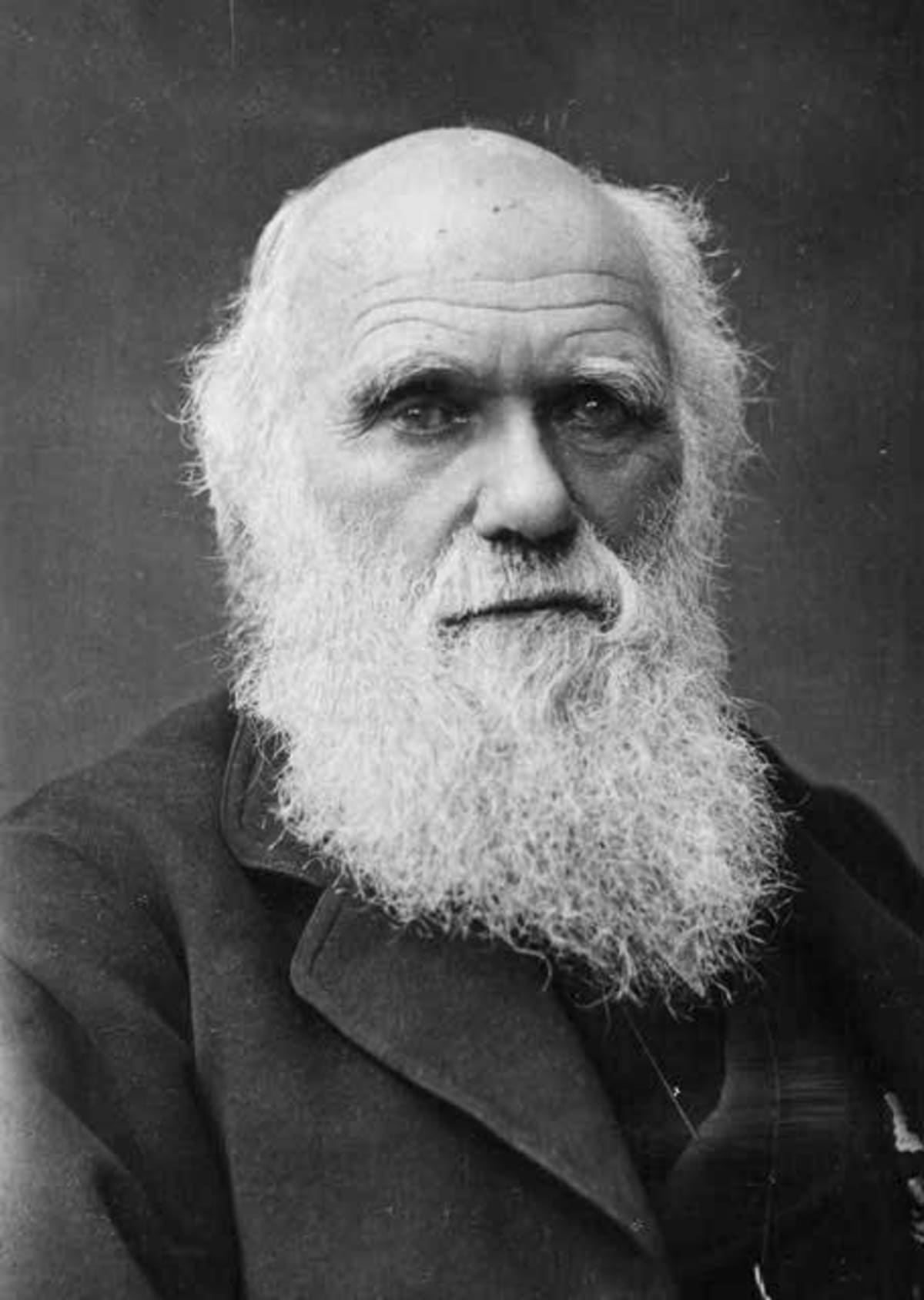
Charles Darwin wondered if humans sang before they spoke. The La-La Theory suggested musical calls used in courtship evolved into speech. Some scientists now think parents cooing to babies from a distance helped pave the way for language.
Why This Inspires
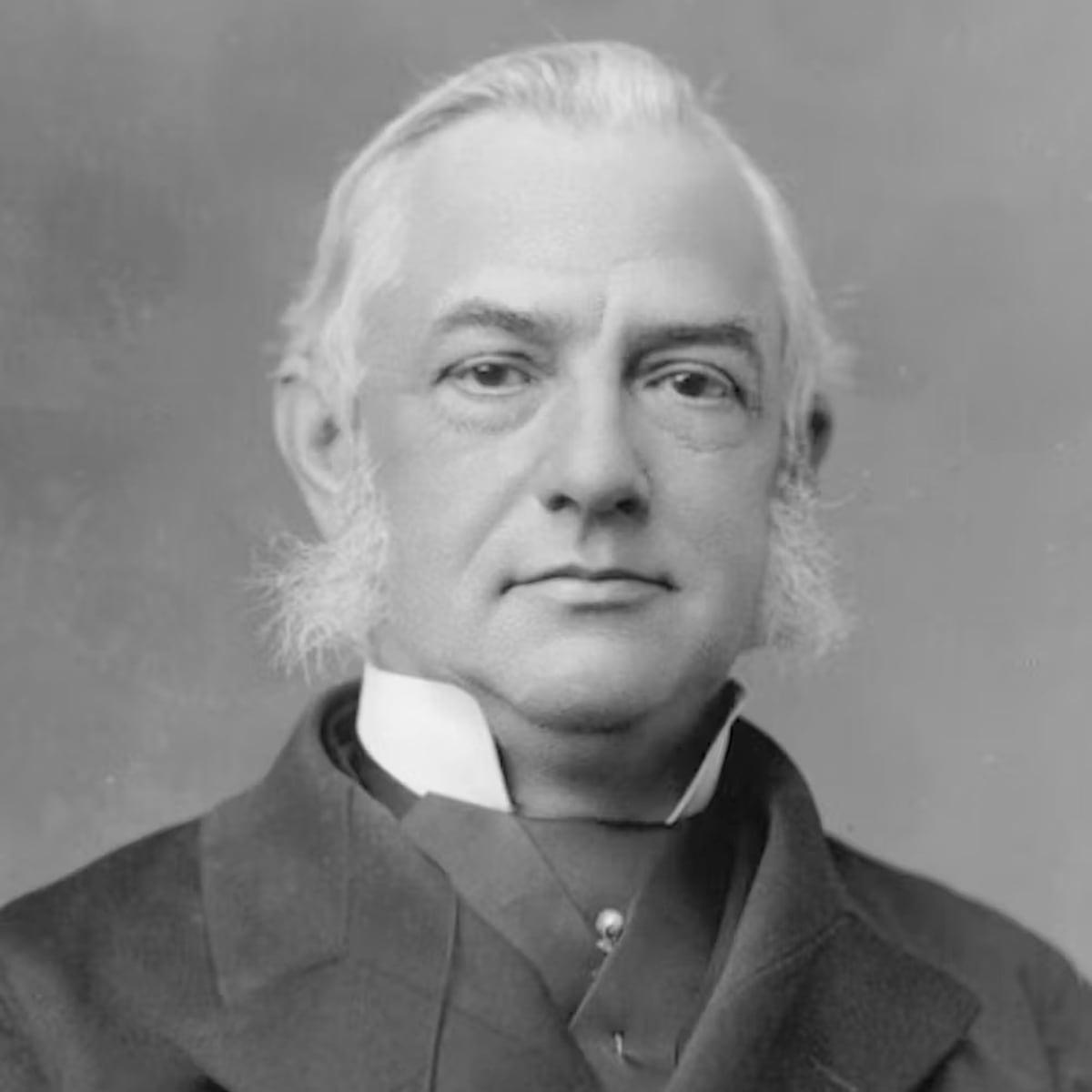
These silly-sounding theories represent something beautiful: humans trying to understand what makes us human. German scholar Max Müller gave them playful nicknames partly as satire, but the questions were sincere and remain unanswered today.
Modern scientists believe no single theory explains everything. Language likely emerged gradually through gestures, social bonding, brain evolution, and cooperation. What started as grunts and gestures became the tool that lets us share ideas, tell stories, and connect across time and space.
The mystery of language origins reminds us that even our most basic abilities hold profound wonder.
#
More Images

Based on reporting by Live Science
This story was written by BrightWire based on verified news reports.
Spread the positivity!
Share this good news with someone who needs it