Your Speech Errors Are a Window Into Your Amazing Brain
Scientists say spoonerisms reveal how our brains plan speech several words ahead. These harmless mistakes show the lightning-fast coordination happening in your mind every time you speak.
Next time you accidentally say "lack of pies" instead of "pack of lies," you're not just making a funny mistake. You're giving scientists a rare peek into one of the most astonishing things your brain does every day.
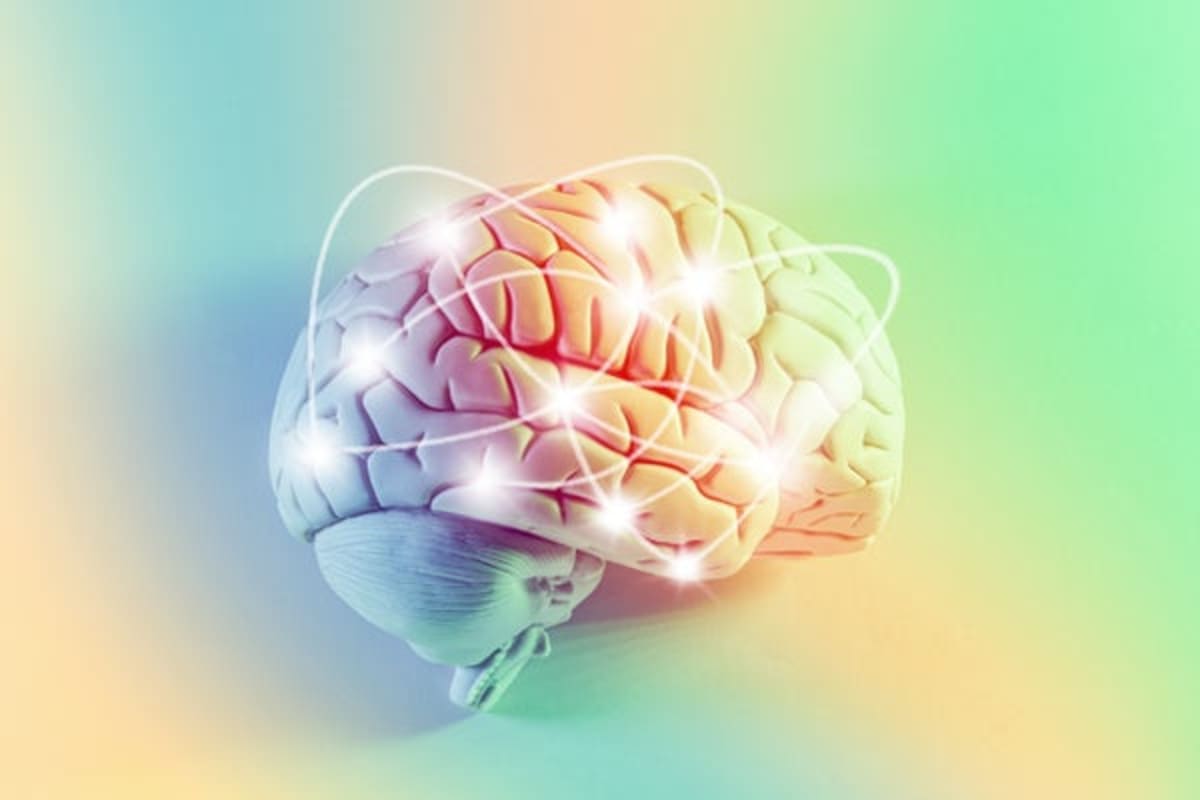
These sound mix-ups, called spoonerisms, happen because your brain is actually working too efficiently. Research shows that when you speak, your mind plans several words ahead at incredible speed, selecting meanings, ordering words, and preparing the sounds all at once.
Sometimes those moving parts briefly collide, creating delightful accidents like "well-boiled icicle" instead of "well-boiled bicycle." The mix-up isn't random chaos. It's proof that your brain is juggling an extraordinarily complex task with remarkable success.
The errors are named after Rev. William Archibald Spooner, a brilliant but scatterbrained Oxford scholar from the 1800s. Legend says he once told a student "You have hissed the mystery lecture" instead of "missed the history lecture." Most famous spoonerisms credited to him were actually invented by amused students and newspaper writers, but his name stuck.
Modern linguists study these slips because they reveal the hidden choreography of speech. Unlike what Sigmund Freud believed about verbal mistakes exposing hidden desires, most speech errors simply show your brain's language system occasionally tripping over its own incredible speed.
Why This Inspires
What makes this research truly uplifting is what it says about human capability. Every single day, you transform abstract thoughts into fluent speech in fractions of a second, coordinating muscles, meanings, and sounds with precision that would make any computer jealous.
Your brain is planning, organizing, and executing one of nature's most complex tasks continuously. The occasional slip doesn't mean something's wrong. It means you're doing something phenomenally difficult with near-perfect accuracy.
Researchers have found that stress, tiredness, or distraction increase speech errors, but even then, the mistakes follow predictable patterns. Your brain stays organized even when it stumbles, swapping sounds that belong in the same phrase rather than creating total nonsense.
Next time you accidentally mix up your words, remember you're witnessing a miracle of human cognition in action.
More Images


Based on reporting by Scientific American
This story was written by BrightWire based on verified news reports.
Spread the positivity!
Share this good news with someone who needs it