Why Earth, Wind & Fire Kept 'Ba-Dee-Ya' in September
The co-writer of "September" begged Maurice White to replace the nonsense "ba-dee-ya" lyric with real words right up until the final recording session. His refusal became a master class in trusting the groove over literal meaning.
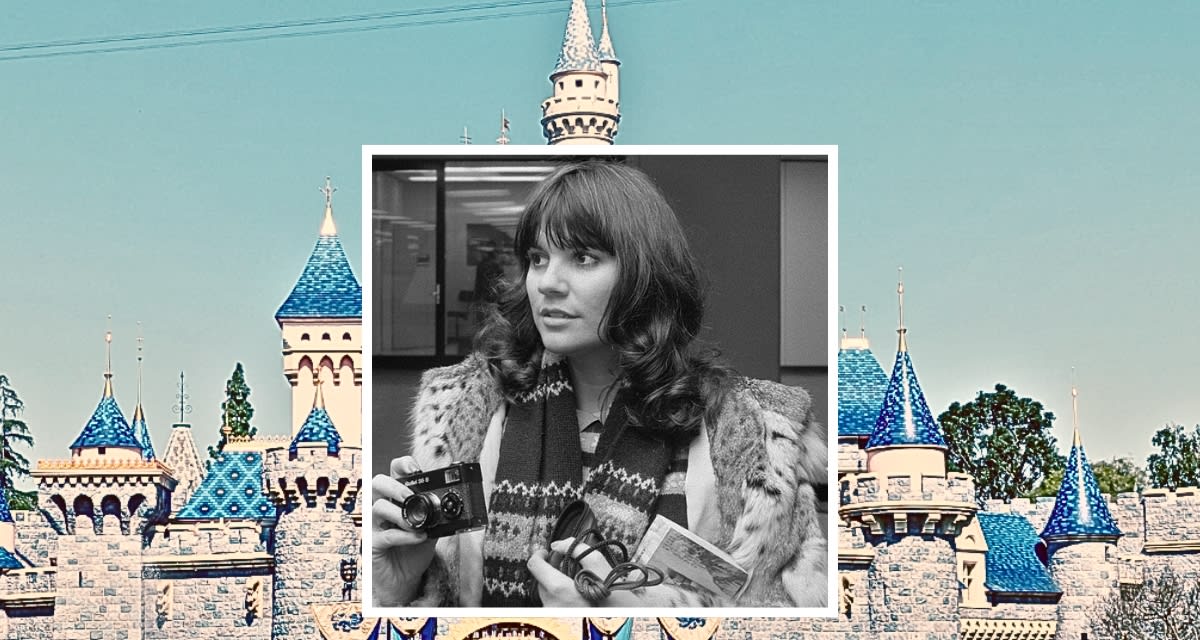
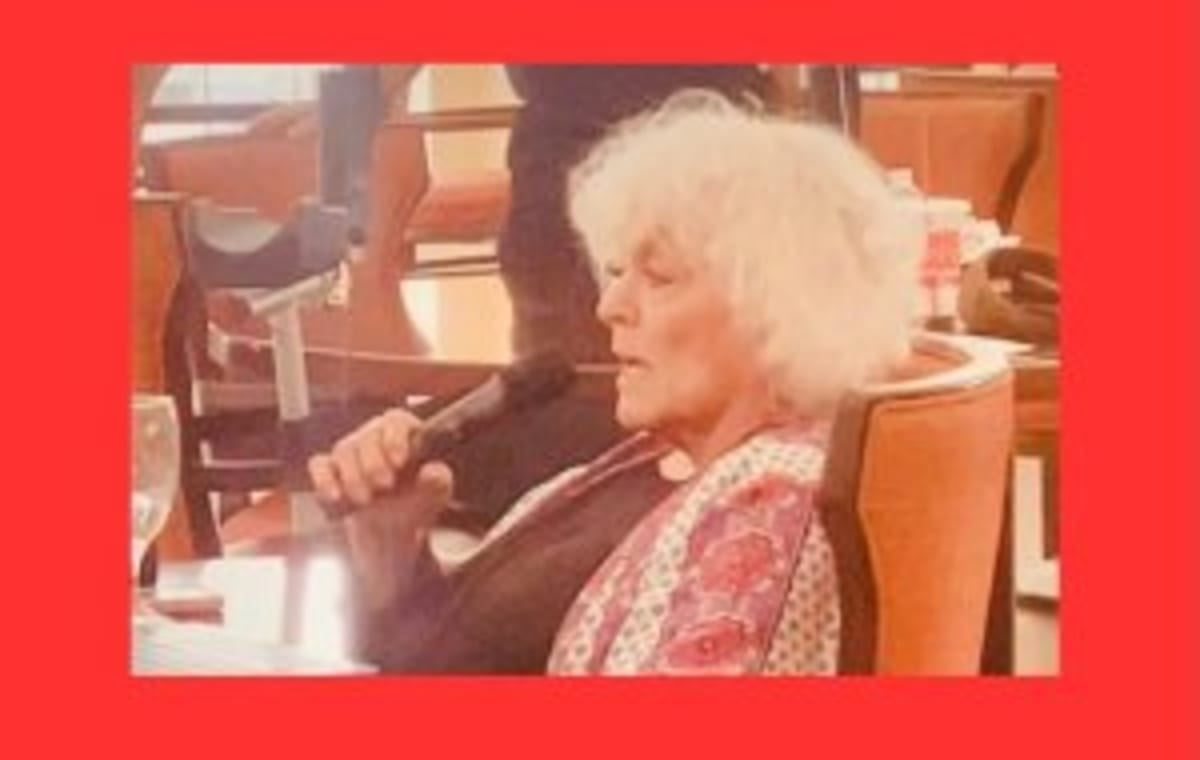
Allee Willis dropped to her knees in the recording studio at 10 p.m., clutching Maurice White's thigh, making one last desperate plea. Could they please change "ba-dee-ya" to actual words before the midnight deadline?
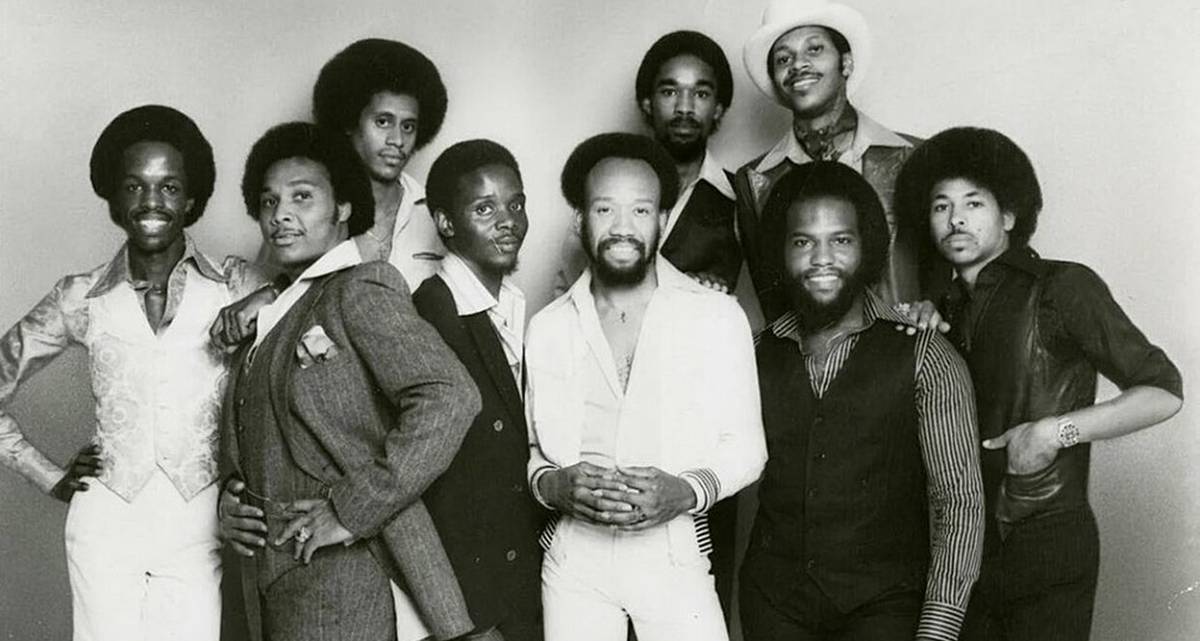
White, the Earth, Wind & Fire frontman, refused. It wasn't stubbornness but musical wisdom.
"September" has become synonymous with celebration since its release, played at countless weddings, bar mitzvahs, and retirement parties. Rolling Stone named it the 65th Greatest Song of All Time, and in 2019, the Library of Congress added it to the National Recording Registry.
But those iconic "ba-dee-ya" sounds that millions sing along to? They started as a placeholder lyric White hummed in the studio.
Willis, the song's co-writer, spent months trying to replace them with real words. She figured the temporary scat singing would eventually give way to meaningful lyrics that matched the rest of the song about romance and perfect September weather.
During that final recording session, White shared his philosophy with her. Willis later condensed his message to this: "Never let the lyrics get in the way of the groove."
White understood something profound about music and emotion. If the melody, beat, and spirit connect, listeners will understand the feeling even without literal words.
Why This Inspires
Some of our deepest emotions resist translation into language. The greatest songwriters throughout history have recognized this truth.
John Lennon sang "Goo goo g'joob" on "I am the Walrus." Suzanne Vega used "doo-doo-doos" on "Tom's Diner." Andre 3000 built a hit around "Hey ya!"
These nonsense syllables work because they capture something words alone cannot. "Ba-dee-ya" paired with that joyous disco beat and infectious bassline communicates pure celebration better than any dictionary definition could.
The first lyric references September 21st, the expected birth date of White's son Kahbran, adding personal meaning to the universal feeling. But it's those wordless sounds that let everyone make the song their own.
White trusted that emotional connection matters more than perfect explanation. Decades later, as long as people gather to celebrate, they'll be singing "ba-dee-ya" and knowing exactly what it means.
More Images


Based on reporting by Upworthy
This story was written by BrightWire based on verified news reports.
Spread the positivity!
Share this good news with someone who needs it