Why Our Ancestors Didn't Smile in Photos Until the 1920s
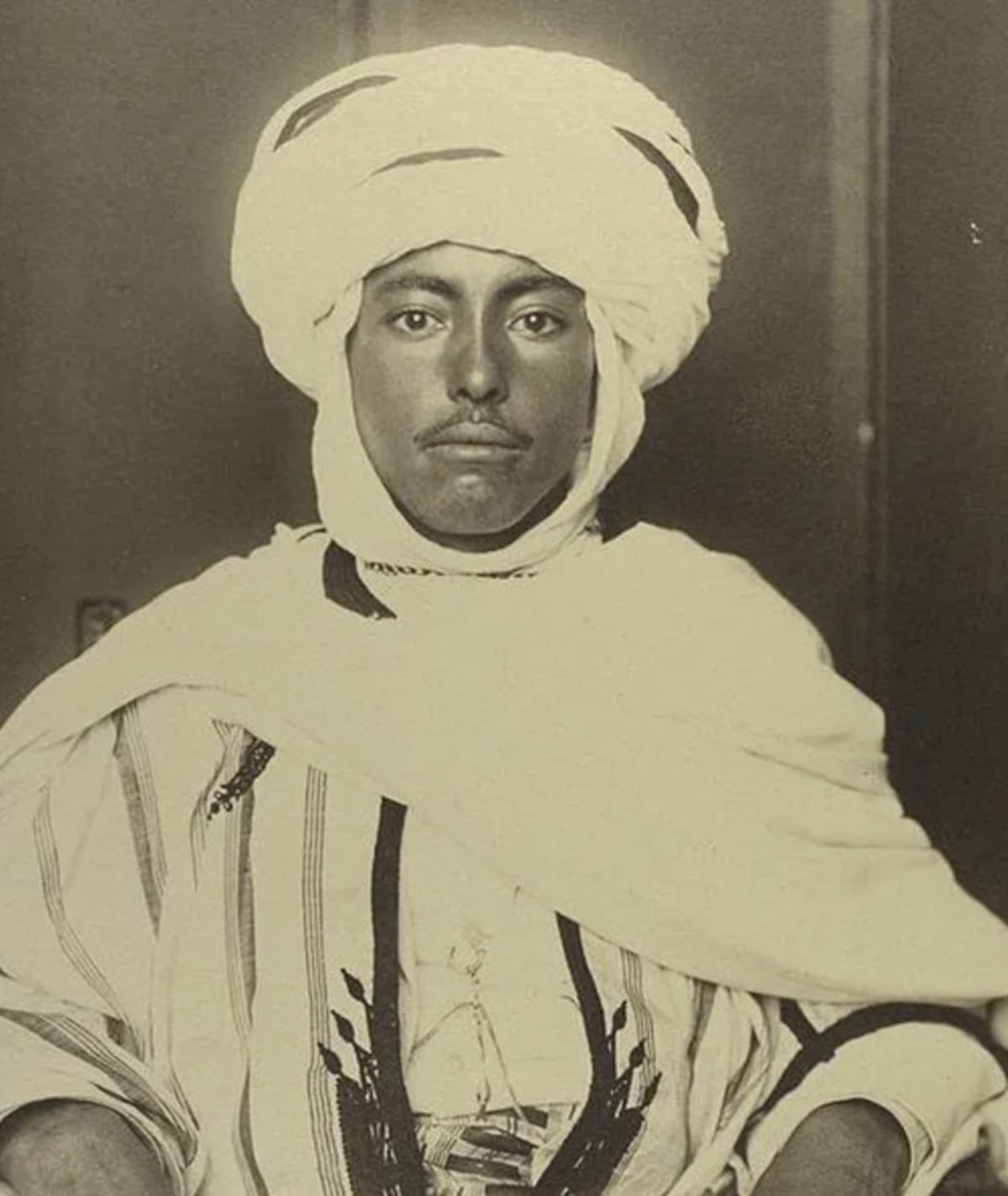
Early photographs show our ancestors looking stern and serious, but it wasn't because life was harder or people were less happy. The shift to smiling in photos reveals a fascinating cultural transformation driven by technology and changing attitudes.
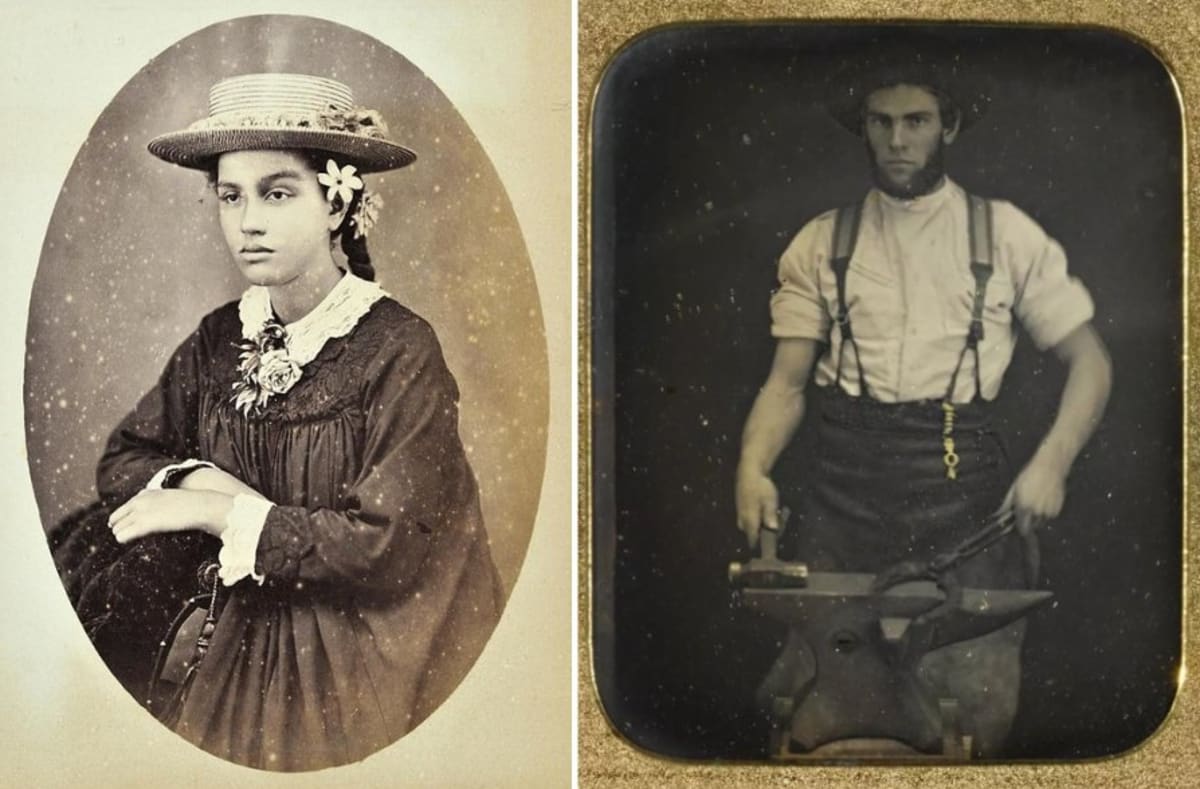
That serious-faced ancestor staring back at you from a century-old photograph wasn't unhappy. They were just following the rules of their time.
Early cameras required people to sit perfectly still for several minutes while the image exposed. Holding a genuine smile for that long is nearly impossible, as anyone who's tried to maintain a grin for even 60 seconds quickly discovers. A smile is a fleeting reaction, not a sustained expression.
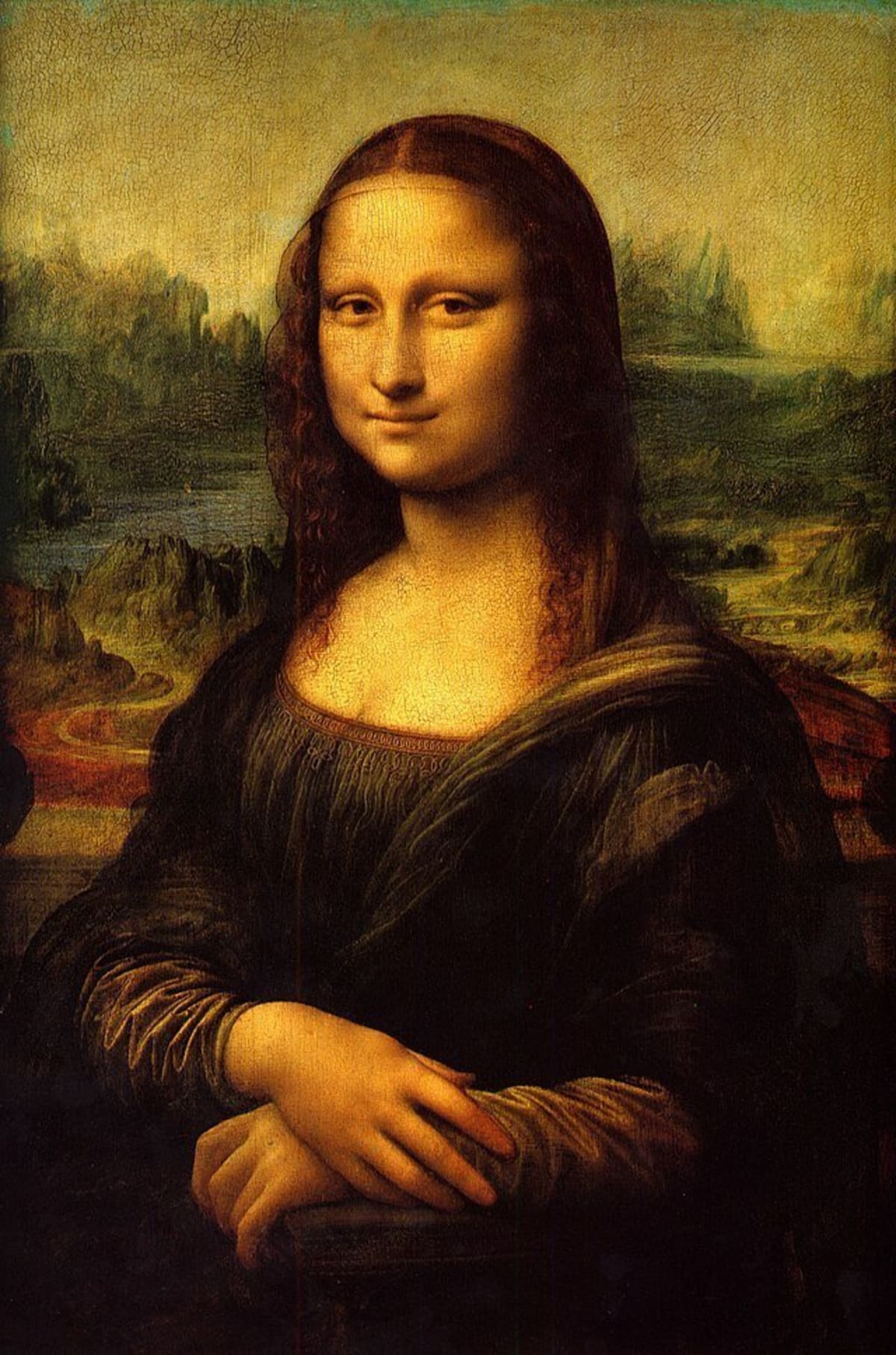
But the real reason runs deeper than technology. For centuries, painted portraits set the standard for how people should appear in formal images. Sitting for a portrait painting took hours, making smiling impractical and culturally inappropriate.
In 17th century Europe, showing your teeth was considered undignified and improper for the upper classes. Art historian Nicholas Jeeves explains that only "the poor, the lewd, the drunk, the innocent, and the entertainment" smiled broadly in life or art. Smiling signaled you were a fool, not a respectable person worth documenting.
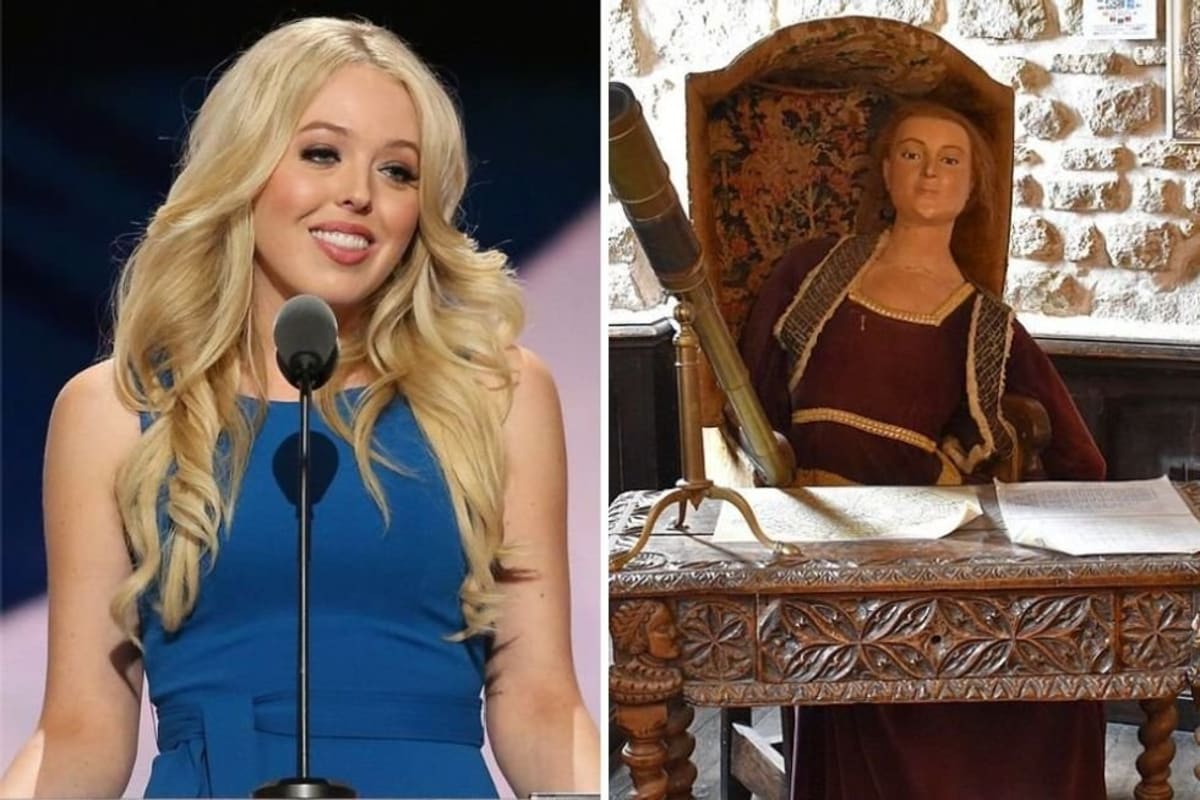
When painters did attempt to capture smiles, the results looked unnatural or disturbing. The static nature of painted portraits couldn't capture the lively, fleeting quality of a genuine smile. These artistic failures reinforced the idea that smiling simply didn't belong in formal images.
Even after Kodak invented snapshot cameras with instant exposure in the late 1800s, people continued posing with neutral expressions. The cultural taboo against smiling proved stronger than the technological fix.
Another factor kept mouths closed: dental hygiene wasn't what it is today. Many people had missing or rotting teeth, making them self-conscious about opening their mouths in social settings.
Why This Inspires
Movies changed everything in the 1920s. Motion pictures let audiences see emotions playing out naturally on screen for the first time. Fleeting expressions that paintings couldn't capture suddenly became normal to document and display.
As movie culture exploded, people grew comfortable seeing and showing the full range of human emotion in photographs. The stiff, neutral portrait gave way to images capturing genuine joy, surprise, laughter, and warmth.
This shift reminds us that our ancestors felt the same emotions we do today. They experienced joy, humor, love, and excitement just as intensely as we do now. We simply didn't get to see those moments preserved until cultural attitudes caught up with the technology to capture them.
The serious faces in old photographs aren't windows into sadder times, but snapshots of different social customs around dignity and propriety.
More Images

Based on reporting by Upworthy
This story was written by BrightWire based on verified news reports.
Spread the positivity!
Share this good news with someone who needs it