Why Scientists Say Leave That Seashell on the Beach
That pretty seashell might look like harmless beach debris, but scientists studying India's coasts have discovered it plays a vital role in protecting shorelines and providing homes for hermit crabs. New research shows why leaving shells where you find them helps entire coastal ecosystems thrive.
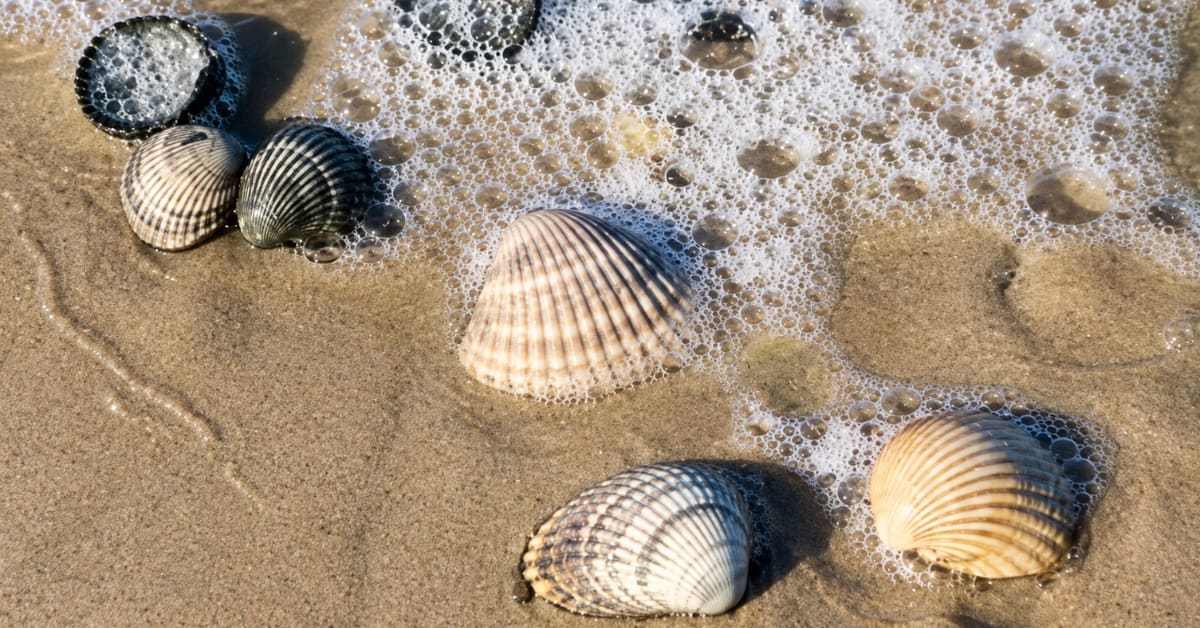
A seashell on the beach looks like the perfect souvenir, but scientists studying coastlines from Portugal to India have discovered something remarkable: those empty shells are still hard at work.
Researchers examining India's eastern coast analyzed over 8,600 shells across 2,500 kilometers and found something unexpected. The shells aren't just sitting there; they're being constantly moved by waves and tides, slowly breaking down and feeding calcium carbonate back into the coastal sediment system.
This process creates what scientists call a shell "pavement" that can actually slow down beach erosion. When thousands of tourists repeatedly remove shells over time, that protective layer disappears.
A landmark 2014 study in Portugal compared shell abundance at Praia de Faro beach across three decades. Tourist arrivals increased by 2.74 times, while the number of shells on the shoreline fell by 2.62 times, showing a clear relationship between visitors and shell depletion.
But the most compelling reason to leave shells behind walks on tiny legs. India is home to over 110 species of hermit crabs that need those empty shells to survive.
Unlike regular crabs, hermit crabs don't have hard abdomens. They crawl into abandoned gastropod shells and use them as portable homes, protecting themselves from predators, dehydration, and changing salt levels in the water.
Researchers in Kerala studied 35 hermit crab species and documented which shells they prefer. Their 2023 findings describe empty shells as crucial "mobile habitat" for these creatures.
Scientists on Gujarat's Kathiawar Peninsula found similar patterns. The shell that looks abandoned to a beachgoer may be exactly what a hermit crab needs to survive the next tide.
The Ripple Effect
The good news is that understanding this hidden beach ecosystem doesn't require complicated action. Scientists aren't saying that taking one shell will cause measurable erosion or harm.
What matters is the collective impact. When beaches receive thousands of visitors who each take "just one" shell, the cumulative effect can change how the shoreline functions and leave hermit crabs struggling to find homes.
Research teams across India's coasts continue documenting these connections between shells, sediment, and sea life. Their work reveals that even the smallest beach debris plays a role in keeping coastal ecosystems healthy and resilient.
The solution is beautifully simple: take photos instead of shells, and leave the beach's natural recycling system intact for the creatures that depend on it.
More Images
%2Fenglish-betterindia%2Fmedia%2Fmedia_files%2F2026%2F09%2F18%2Fshells-2026-09-18-18-20-30.png)
%2Fenglish-betterindia%2Fmedia%2Fmedia_files%2F2025%2F11%2F20%2Fwild-at-heart-banner-image-microsite-banner-2025-11-20-16-17-04.jpg)
%2Ffilters%3Aformat(webp)%2Fenglish-betterindia%2Fmedia%2Fmedia_files%2F2026%2F09%2F18%2Fshells-1-2026-09-18-18-24-07.png)
Based on reporting by The Better India
This story was written by BrightWire based on verified news reports.
Spread the positivity!
Share this good news with someone who needs it