Why utopian fiction like 'Ted Lasso' gives us hope
Climate activist Nivi Achanta believes we're craving hopeful stories after years of dystopian warnings. From "Barbie" to "Ted Lasso," utopian fiction is helping people imagine better futures worth building.
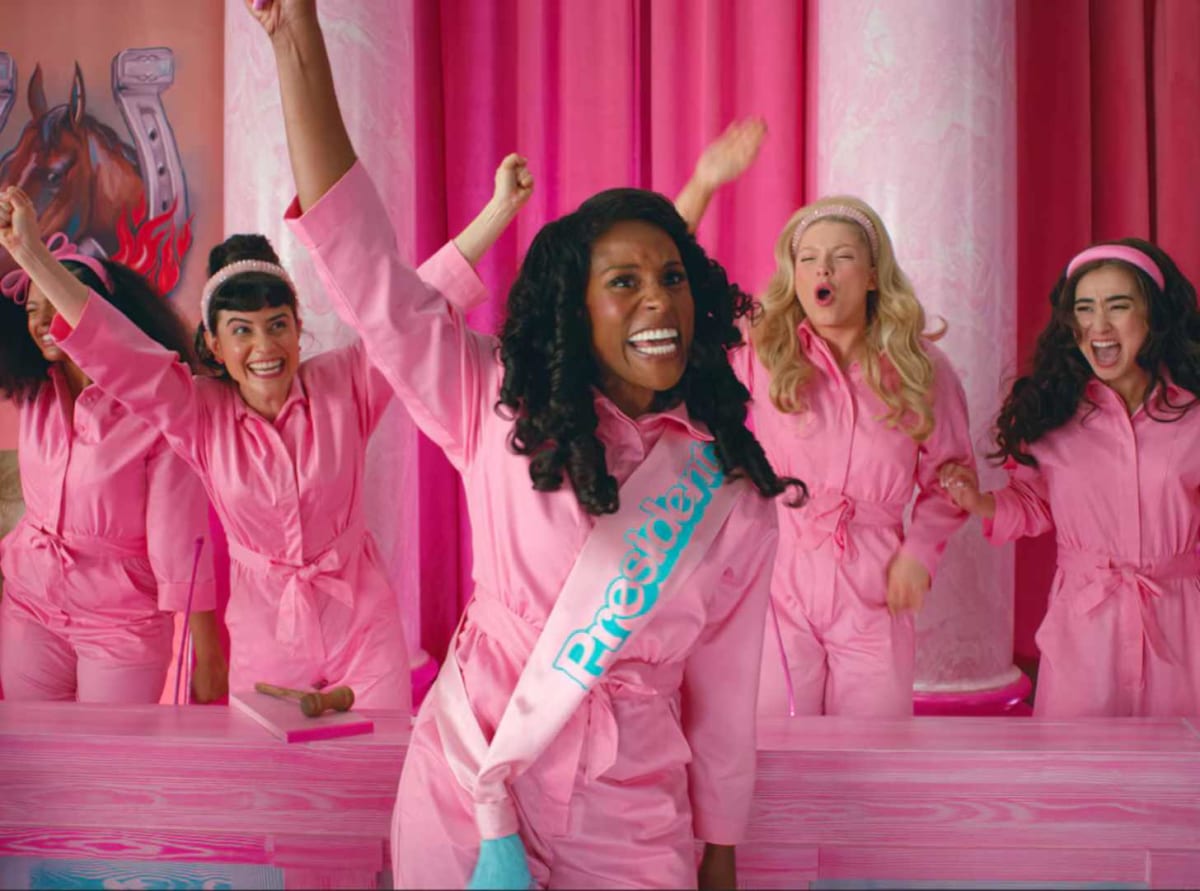
Remember crying during "Barbie" and not quite knowing why? Climate activist and novelist Nivi Achanta says it wasn't just America Ferrera's monologue that got you.
It was seeing a world where women hold Supreme Court majorities, walk safely through their neighborhoods, and dance with friends without fear. Barbie World offered something rare: a glimpse of a better future that feels almost within reach.
Achanta, CEO of Soapbox Project, has worked with Google, Facebook, and The Bill & Melinda Gates Foundation on social impact initiatives. Now she leads "Dream Sessions" where people practice imagining what 100 years from now could look like.
As someone who reads over 100 books a year, she's noticed a shift. People are hungry for utopian fiction after decades of dystopian warnings.
"I think dystopia needs to die," Achanta told Good Good Good. "We are past the point where we need warnings. What we need are pathways forward."
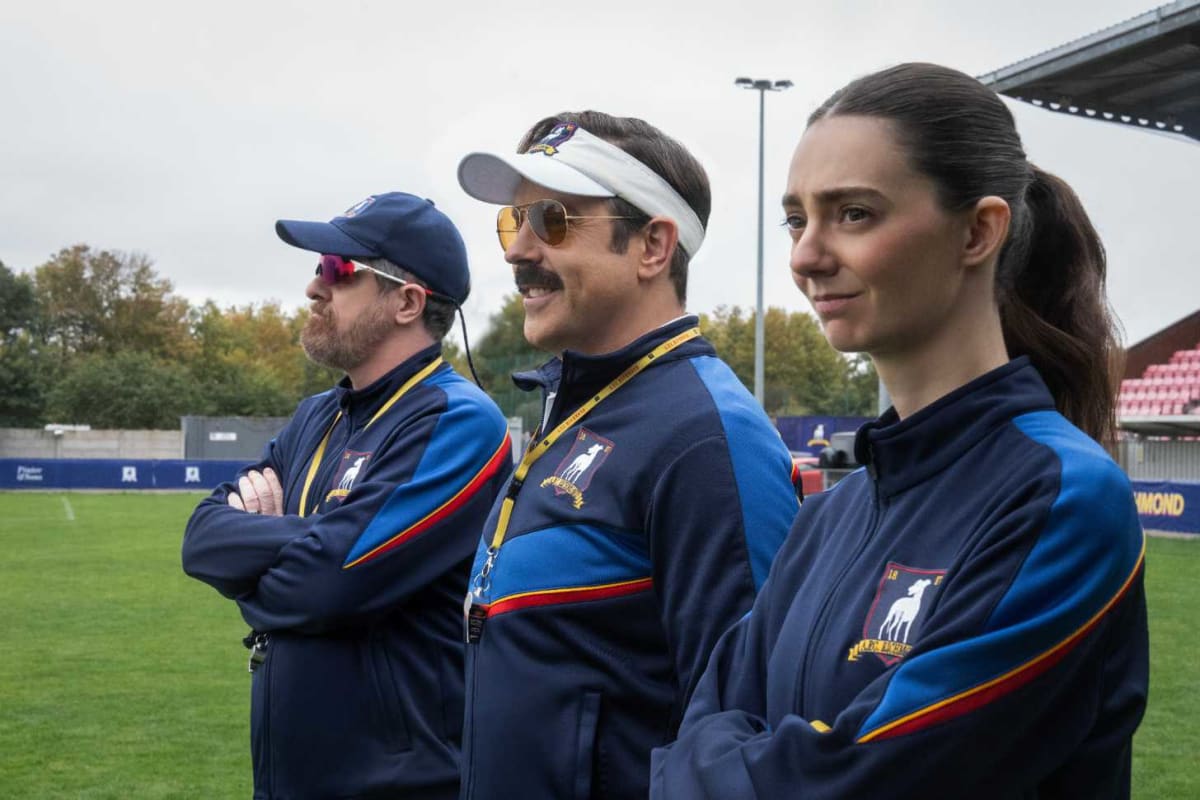
She points to "Black Panther," where Black and African viewers see autonomous communities thriving in harmony with nature and innovation. "Project Hail Mary" shows hope and collaboration in apocalyptic circumstances. Even "Ted Lasso" works because, as Achanta says, "the one big speculative aspect of that show is healthy masculinity."
These stories reflect something deeper. Activist adrienne maree brown argues that our current social systems were imagined into being, which means better ones can be imagined too.
"I believe that all organizing is science fiction, that we are shaping the future we long for and have not yet experienced," brown writes in "Pleasure Activism."
The Soapbox Project hosts concert experiences where attendees answer prompts between musical performances about what a better world could look like. Achanta says people struggle with the exercise at first because politicians, billionaires, and fossil fuel lobbies have dominated our collective imagination.
Why This Inspires
Achanta reminds us that imagination is free. Nobody monitors what happens in your own brain. You can dream about anything.
The challenge is practice. After years of consuming fearful narratives, we've forgotten how to envision radical possibilities. But shows like "Bridgerton," which reimagines racial dynamics in Regency London, prove we're ready for stories that show us what's possible instead of just warning us what to avoid.
The stories we create and consume become blueprints for the future we want to build. When we see healthy masculinity, racial equity, or environmental harmony on screen, we're not just entertained. We're practicing belief that these futures can exist.
As philosopher Cornelius Castoriadis taught, the world as we know it came from eruptions of imagination and can be transformed by new ones. What we need now are more people willing to dream something better into being.
More Images


Based on reporting by Good Good Good
This story was written by BrightWire based on verified news reports.
Spread the positivity!
Share this good news with someone who needs it