Wild Cat Returns to Abu Dhabi After 35 Years
The Arabian caracal has returned to Abu Dhabi after disappearing 35 years ago, captured by smart monitoring technology as part of the emirate's sweeping climate adaptation plan. It's a stunning sign that conservation efforts really work.
A wild cat last seen in Abu Dhabi 35 years ago has officially come home, giving conservationists proof that decades of environmental work is paying off in ways they can actually measure.
The Arabian caracal, a medium-sized wild cat with distinctive black-tufted ears, was documented by the Environment Agency - Abu Dhabi using smart monitoring technology and drones. The sighting marks a significant milestone for the emirate's biodiversity recovery efforts.
The return coincides with Abu Dhabi launching its most ambitious environmental plan yet. The Climate Change Adaptation Plan for the Environment Sector runs through 2050 and includes 142 specific actions to protect the region's natural systems from climate impacts.
Eighty-six of those projects will roll out in the next five years alone. They focus on protecting groundwater, soil, and biodiversity as the foundation for water security, food security, and environmental stability.
Dr Shaikha Salem Al Dhaheri, Secretary-General of the Environment Agency, says the agency has spent three decades building science-based programs that use artificial intelligence and advanced monitoring to track environmental health across the emirate.
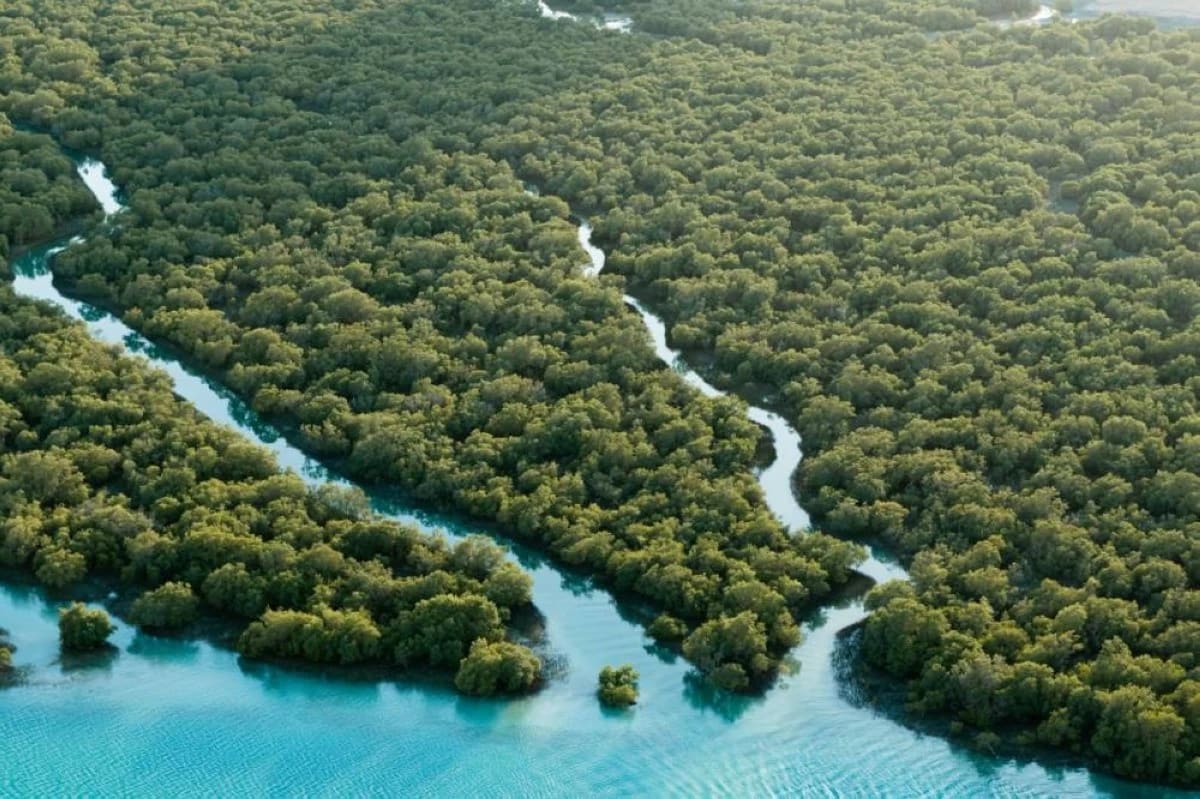
The technology is already showing results beyond the caracal's return. Drones have surveyed more than 700 sites, helping scientists understand habitat recovery in real time. The agency also created Abu Dhabi's first groundwater atlas, documenting more than 118,000 wells to better manage this critical resource.
The Ripple Effect
Abu Dhabi's approach shows how investing in nature creates cascading benefits. When ecosystems recover enough to support apex predators like the caracal, it signals that prey populations are stable, habitats are healthy, and food chains are intact.
The caracal's return also demonstrates that technology and traditional conservation can work together. Smart monitoring lets scientists track wildlife without disturbing habitats, while AI helps analyze patterns that would take humans years to spot manually.
These advances matter beyond Abu Dhabi's borders. As climate change reshapes ecosystems worldwide, the emirate's data-driven approach offers a blueprint for other regions trying to protect biodiversity while managing limited water and maintaining food security in harsh conditions.
The timing matters too. World Environment Day 2026 carries the theme "Inspired by Nature. For Climate. For Our Future," and Abu Dhabi's achievements show what's possible when governments commit long-term resources to environmental protection.
One wild cat coming home after 35 years proves that persistence, science, and hope can bring nature back even in challenging climates.
More Images



Based on reporting by Google News - Uae Innovation
This story was written by BrightWire based on verified news reports.
Spread the positivity!
Share this good news with someone who needs it