Wild Snow Leopard Cub Born in China After 70-Year Absence
A reintroduced snow leopard has given birth in China's Helan Mountains, the first cub born wild in nearly seven decades. The birth proves that one of the world's most endangered big cats can thrive again in its historic home.
For the first time in 70 years, a snow leopard cub has been born in the wild in China's Helan Mountains, marking a stunning victory for wildlife conservation.
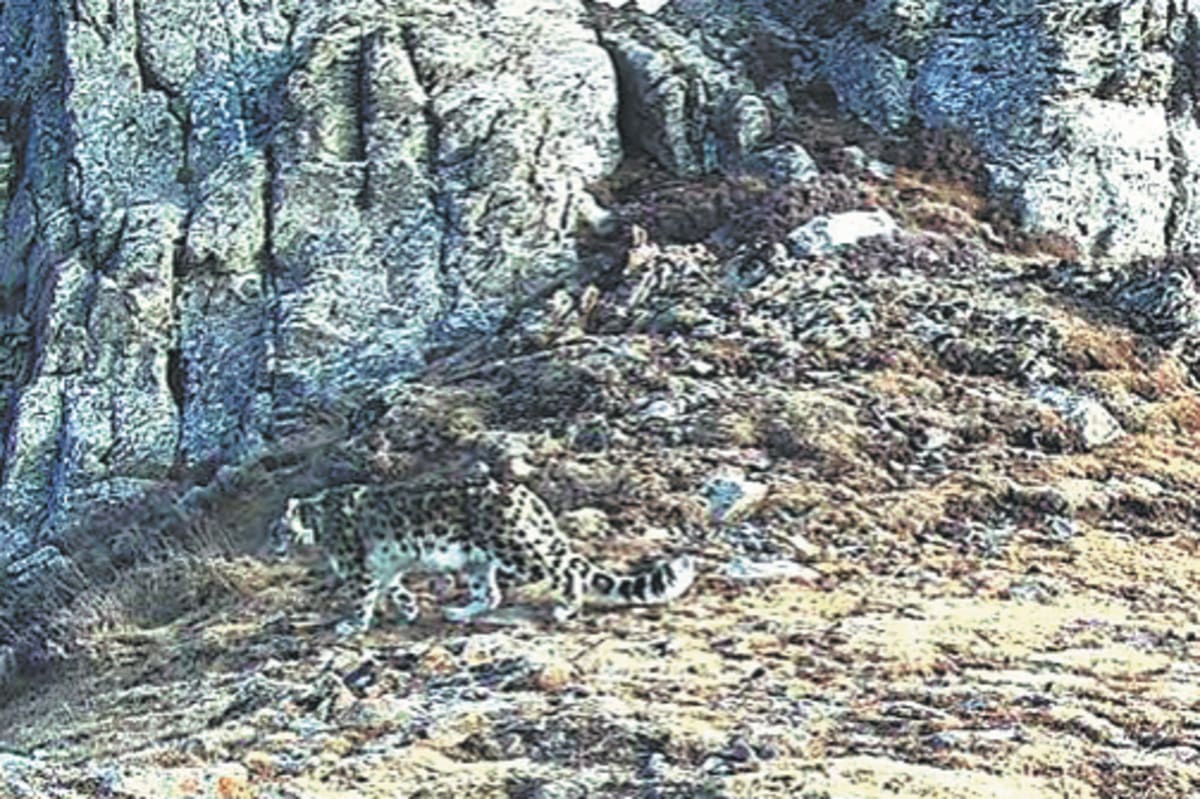
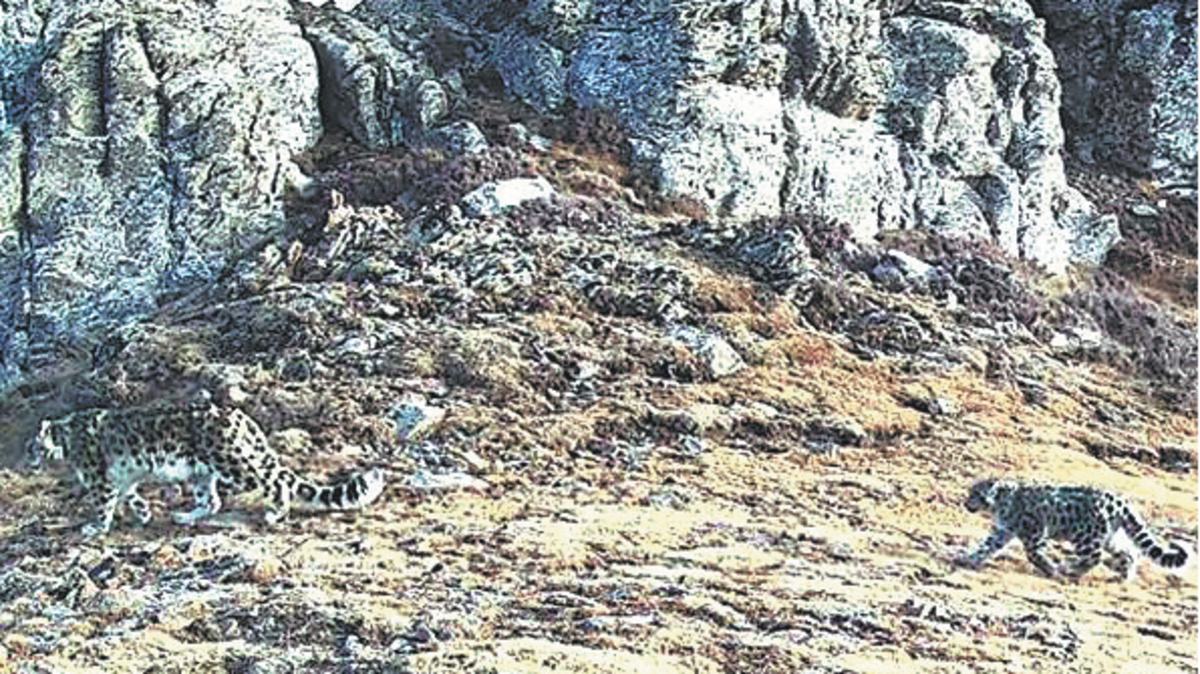
An infrared camera captured the tiny cub alongside its mother, a female snow leopard known as F2, on April 29. The footage offers the first proof that reintroduced snow leopards can successfully mate, give birth, and raise cubs in their ancestral habitat.
F2 was released into the mountains in 2024 after being relocated from Gansu province. She found a mate naturally, established her own territory, and guided her cub through its critical first winter—all without human intervention.
Snow leopards vanished from the Helan Mountains nearly 70 years ago due to habitat loss and human expansion. For decades, these endangered cats existed only in memory and faded photographs.
But Ningxia province refused to give up. Since 2019, conservationists have reintroduced eight snow leopards from across China, carefully training each one to hunt and survive in the wild before release.
The real game changer was fixing the ecosystem itself. Authorities shut down mines, banned overgrazing, and restored vegetation across the mountain range.
As plants returned, so did prey animals. The population of blue sheep, the snow leopard's favorite food, exploded from 1,500 in 1983 to over 41,000 in 2023.
With the new cub, the reserve now tracks nine snow leopards total. Researchers plan to introduce five to 10 more over the next five years, aiming for a self-sustaining population of up to 15 cats.
The Ripple Effect
The Helan Mountains sit at a critical crossroads between two major snow leopard populations, one in Mongolia and one in Tibet. Creating a healthy population here could connect these isolated groups, allowing genes to flow between them and strengthening the entire species against climate change.
China protects over 60 percent of the world's snow leopard habitat. This success represents a major shift from simply protecting existing cats to actively rebuilding lost populations.
Professor Shi Kun from Beijing Forestry University calls it a breakthrough: China's first successful effort to restore snow leopards to their historical range, not just maintain what's left.
The tiny cub in the Helan Mountains carries more than just its mother's genes—it carries hope for an entire species.
More Images
Based on reporting by Google News - Conservation Success
This story was written by BrightWire based on verified news reports.
Spread the positivity!
Share this good news with someone who needs it