Wild Spice Helps 200 Families Protect 100 Sq Km of Forest
In India's mountains, a tongue-tingling wild spice is giving 200 Indigenous families a powerful reason to protect their forests instead of cutting them down. By selling Khagi sustainably, they're earning income while safeguarding over 100 square kilometers of community-owned land.
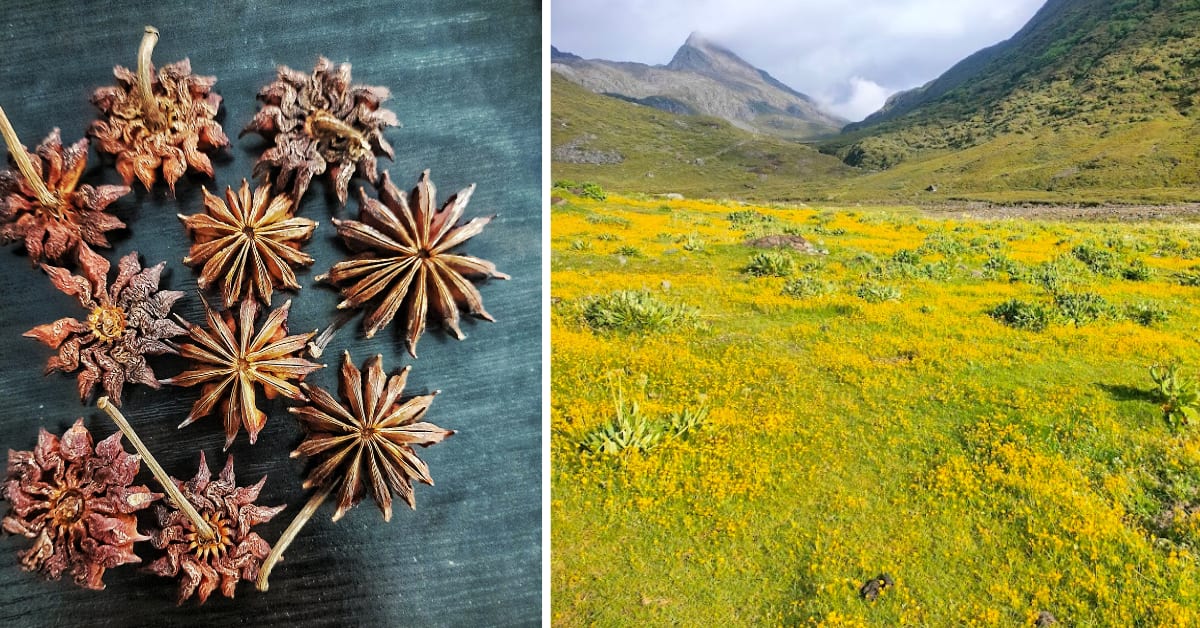
Families in Arunachal Pradesh's West Kameng district walk into the forest on autumn mornings carrying bamboo baskets, searching for a thorny shrub that's transforming how they protect their home. The wild spice they harvest, called Khagi, has been flavoring their food and medicine for generations, but now it's doing something even more remarkable.
Khagi's tiny fruits release a sharp citrus aroma followed by a tingling numbness on the tongue. Long before outsiders discovered it, the spice seasoned meat curries and chutneys in tribal kitchens across the Himalayas.
Today, that same plant is helping protect more than 100 square kilometers of community forest in the Mandala Phudung Khellong Community Conserved Area. The transformation happened when WWF India worked with Indigenous communities to create a sustainable harvesting and marketing system for the native spice.
Instead of selling individually to different traders at varying prices, 200 families now harvest Khagi together under community-led guidelines. Every kilogram sold contributes to forest patrols, biodiversity monitoring and community welfare, creating direct economic rewards for keeping forests standing.
The timing matters because Arunachal Pradesh sits at a crossroads. Nearly 80% of the state is forested, with most under Indigenous community control rather than government management.
As mountain communities shift from subsistence farming to cash-based economies, traditional forest protection systems have weakened. Expanding roads and infrastructure threaten fragile habitats that hold a quarter of India's plant species and the country's highest mammalian diversity.
The Khagi model offers a different path. Communities aren't choosing between forests and income because the forest itself provides the income.
The Ripple Effect
The success in Mandala is spreading across other villages in Arunachal Pradesh. Communities are recognizing that their native plants hold both cultural value and economic potential when harvested sustainably.
The model shows how conservation works best when local people control both the resources and the benefits. These aren't government-declared protected areas with outside rules, but forests governed through community consensus and traditional institutions.
Khagi's journey from kitchen staple to conservation tool mirrors a larger truth about protecting nature. When communities profit directly from healthy ecosystems, those ecosystems thrive.
The families walking into the forest each autumn are doing what their ancestors did, harvesting a spice that has traveled mountain trade routes for centuries. The difference now is that every basket they fill strengthens the forest's future instead of depleting it.
More Images
%2Fenglish-betterindia%2Fmedia%2Fmedia_files%2F2026%2F07%2F30%2Fkhagi-2026-07-30-15-07-42.png)
%2Ffilters%3Aformat(webp)%2Fenglish-betterindia%2Fmedia%2Fmedia_files%2F2026%2F07%2F30%2Fkhagi-1-2026-07-30-15-16-45.png)
%2Ffilters%3Aformat(webp)%2Fenglish-betterindia%2Fmedia%2Fmedia_files%2F2026%2F07%2F30%2Fkhagi-2-2026-07-30-15-20-55.png)
Based on reporting by The Better India
This story was written by BrightWire based on verified news reports.
Spread the positivity!
Share this good news with someone who needs it
%2Ffile%2Fattachments%2Forphans%2FiStock-922735808_898102.jpg)