Wildfire Forces Wildlife Center Rescue in BC
When flames destroyed a wildlife rehabilitation center in Summerland, BC, six recovering animals found safety at a Kamloops sanctuary. Two otters, a porcupine, and three ducks are thriving in their temporary home while their original facility rebuilds.
Six young animals evacuated from a burning wildlife facility in British Columbia have found a safe haven where they'll continue healing until they're ready to return to the wild.
The Interior Wildlife Rehabilitation Society's Summerland facility was destroyed by the Bald Range wildfire on the night of August 7. Executive Director Eva Hartmann and her team managed to evacuate all animals before the flames consumed the property.
The nearest wildlife center, BC Wildlife Park in Kamloops, immediately opened its doors. Animal care manager Tracy Reynolds didn't hesitate when Hartmann reached out for help.
"Obviously when she messaged me Friday after they got out, I said we could take whatever they needed," Reynolds said.
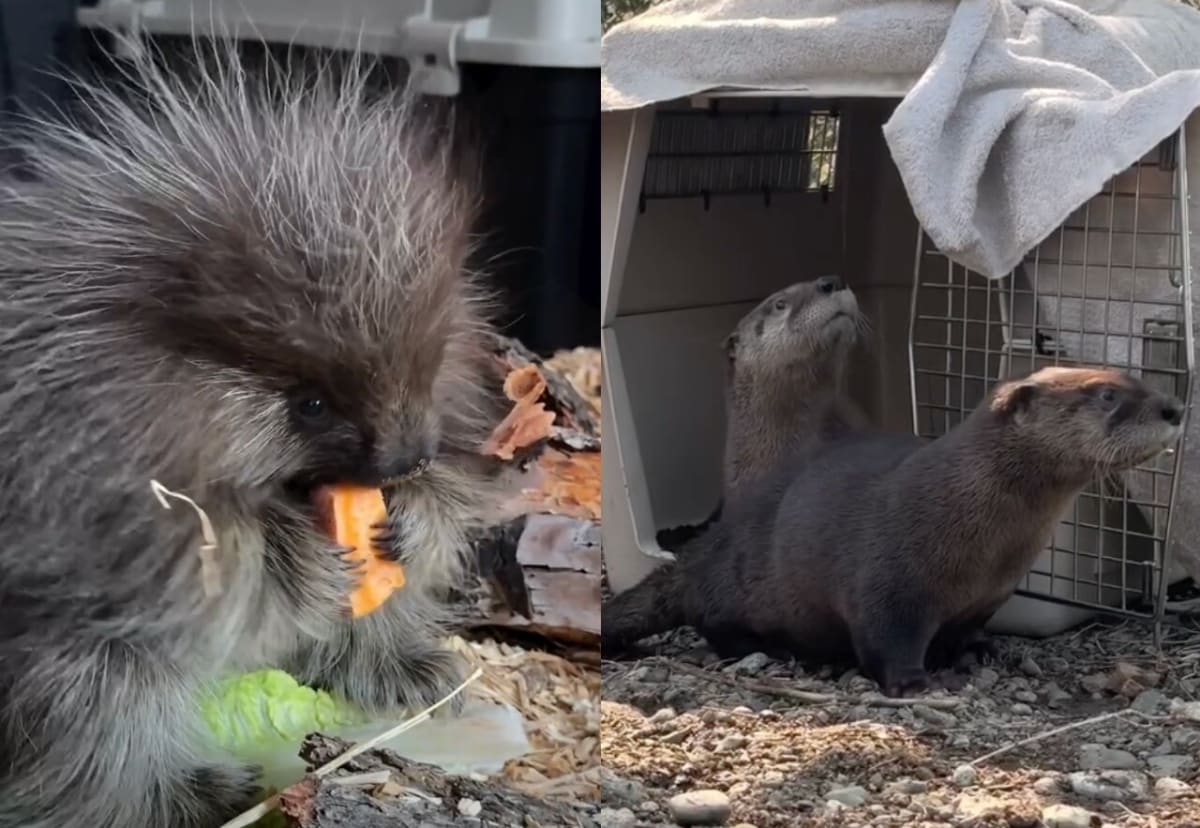
The park welcomed two river otters, one porcupine, two goldeneye ducks, and a mallard duck into its rehabilitation facility. All six animals are recovering away from public view, receiving round-the-clock care from experienced wildlife specialists.
Reynolds reports the animals have adjusted well to their new temporary home. The ducks and porcupine should be ready for release by fall, once wildfire season passes and conditions improve.
The otters face a longer recovery timeline. They'll stay at the facility until next summer, when they reach maturity and can safely return to their native Vancouver Island habitat.
The Bright Side
The BC Wildlife Park already cares for more than 500 animals annually, mostly birds along with mammals, reptiles, and amphibians. To make room for the Summerland evacuees, staff released several geese whose recovery was nearly complete.
"The geese were ready to go anyway, so we just decided to release them sooner," Reynolds explained.
Wildlife centers like these rarely see animals with direct fire injuries. Most wild animals either escape the flames or perish in the blaze. Instead, rehabilitation facilities typically receive exhausted, dehydrated, or malnourished animals struggling with extreme heat and drought conditions.
The partnership between the two facilities shows how wildlife rescue organizations support each other during emergencies. While the Summerland center rebuilds, these six young animals will get the care they need to eventually go home.
Six lives saved, six chances to return to the wild.
Based on reporting by Google News - Wildlife Recovery
This story was written by BrightWire based on verified news reports.
Spread the positivity!
Share this good news with someone who needs it