Wildlife Thrives Again in America's Eastern States
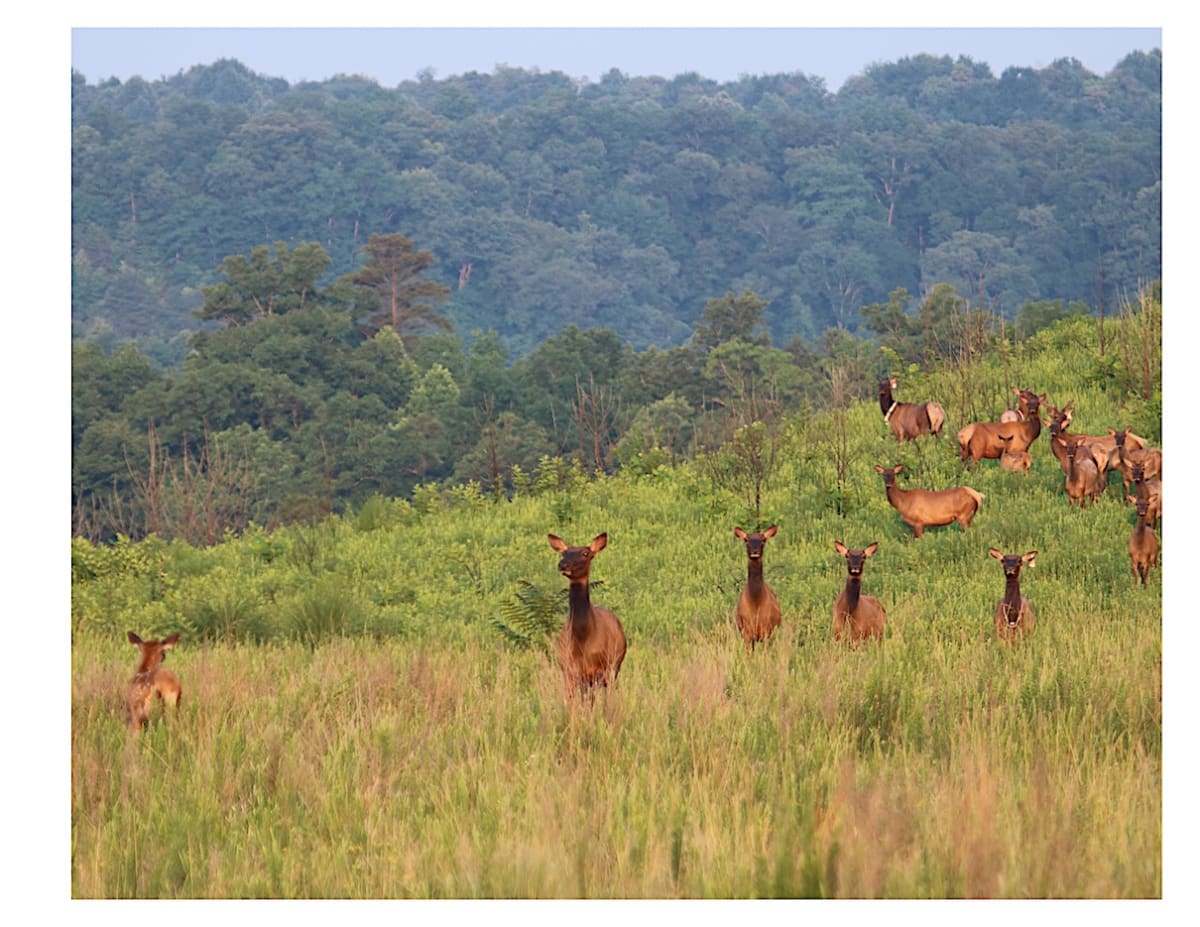
Elk, bison, and bears are returning to eastern U.S. forests and grasslands decades after disappearing. Kentucky now hosts 10,000 elk, the largest herd east of the Mississippi.
The animals that once thundered across America's eastern wilderness are coming home.
Bison now graze on restored tallgrass prairie in Illinois where corn once grew. Black bears lumber through New England forests that have reclaimed old farmland. Kentucky's mountains echo with elk calls for the first time in over a century.
Before European settlement, the East teemed with wildlife. Bison, elk, moose, woodland caribou, and cranes filled landscapes from the Atlantic to the Mississippi River. Centuries of forest clearing, wetland draining, and unrestricted hunting drove most of these animals to local extinction or worse.
Some species, like passenger pigeons and Carolina parakeets, vanished forever. But others are staging remarkable comebacks in one of the world's most developed regions.
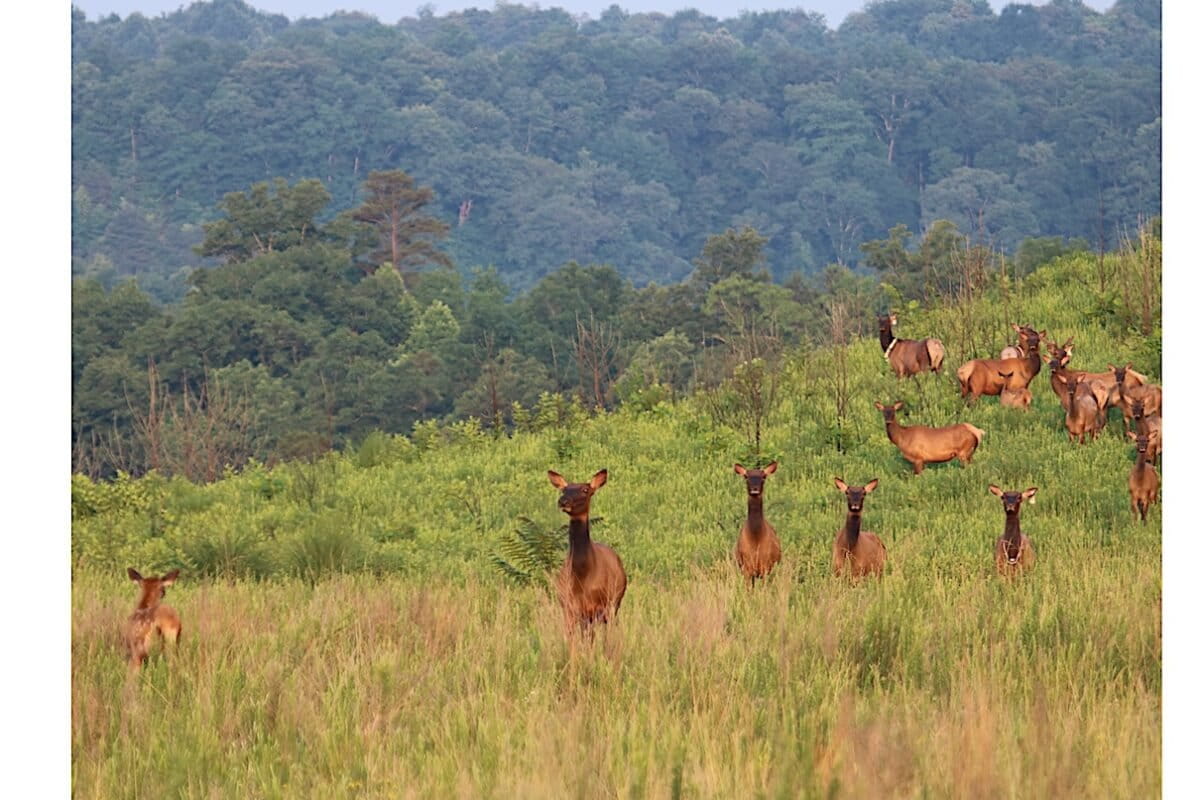
Kentucky's elk restoration stands as the crown jewel of eastern wildlife recovery. The state now supports roughly 10,000 elk across a 16-county zone, all descended from animals reintroduced to former mining lands. At Nachusa Grasslands in Illinois, conservationists transformed abandoned farmland back into tallgrass prairie and brought bison home after 200 years.
Forest regrowth across New England has created highways for moose, bears, fishers, and otters to reclaim their ancestral ranges. These aren't tiny nature preserves, but working landscapes where wildlife and people share space.
The Bright Side
The eastern recovery proves that wildlife restoration can succeed even in heavily settled areas. You don't need untouched wilderness, just commitment and smart planning.
The wins required decades of hunting restrictions, habitat restoration, steady funding, and careful management. Conservationists learned to work with landowners rather than against them. Wildlife crossings now help animals navigate highways safely, including in North Carolina where critically endangered red wolves roam.
Success brings new challenges. Elk browse crops and collide with vehicles. Black bears raid garbage cans. Pumas could theoretically thrive across much of the East, but fear and resistance make reintroduction unlikely.
Suburban sprawl, distribution centers, and new roads continue fragmenting habitat. Wildlife crossings help, but only if enough protected land remains on both sides.
Still, the eastern states offer a powerful lesson. Andrew Moore's new book "Beasts of the East" documents how species once written off as lost causes now flourish among cities, farms, and highways. The challenges are real, but so are the solutions.
These recoveries required public acceptance and agencies willing to manage growing populations long-term. Farmers absorb some costs, and communities adapt to wild neighbors. That's not failure, it's the price of sharing landscapes with the animals that belong here.
Wild elk running free in Kentucky proves that even heavily altered landscapes can support thriving wildlife when people choose to make room.
More Images


Based on reporting by Mongabay
This story was written by BrightWire based on verified news reports.
Spread the positivity!
Share this good news with someone who needs it