Wind and Solar Beat Gas Globally for First Time
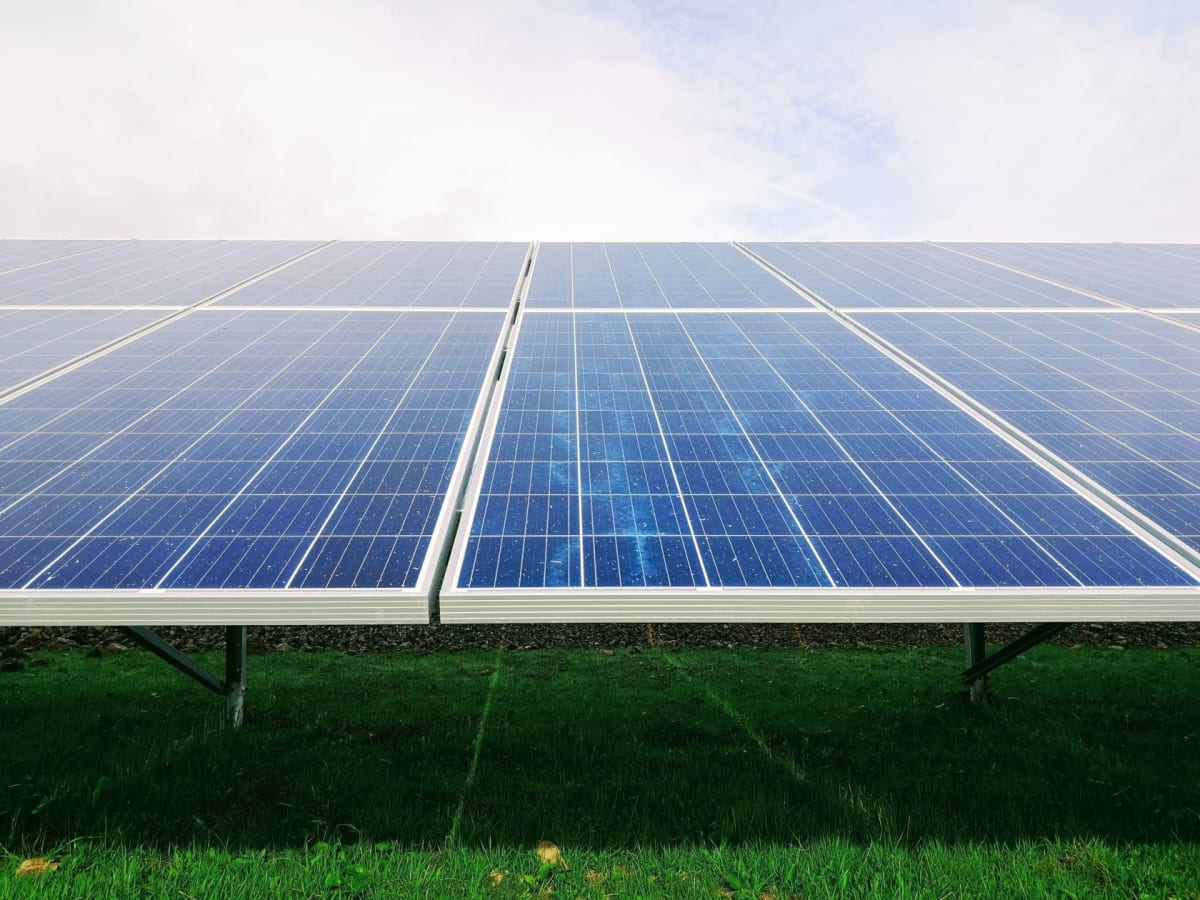
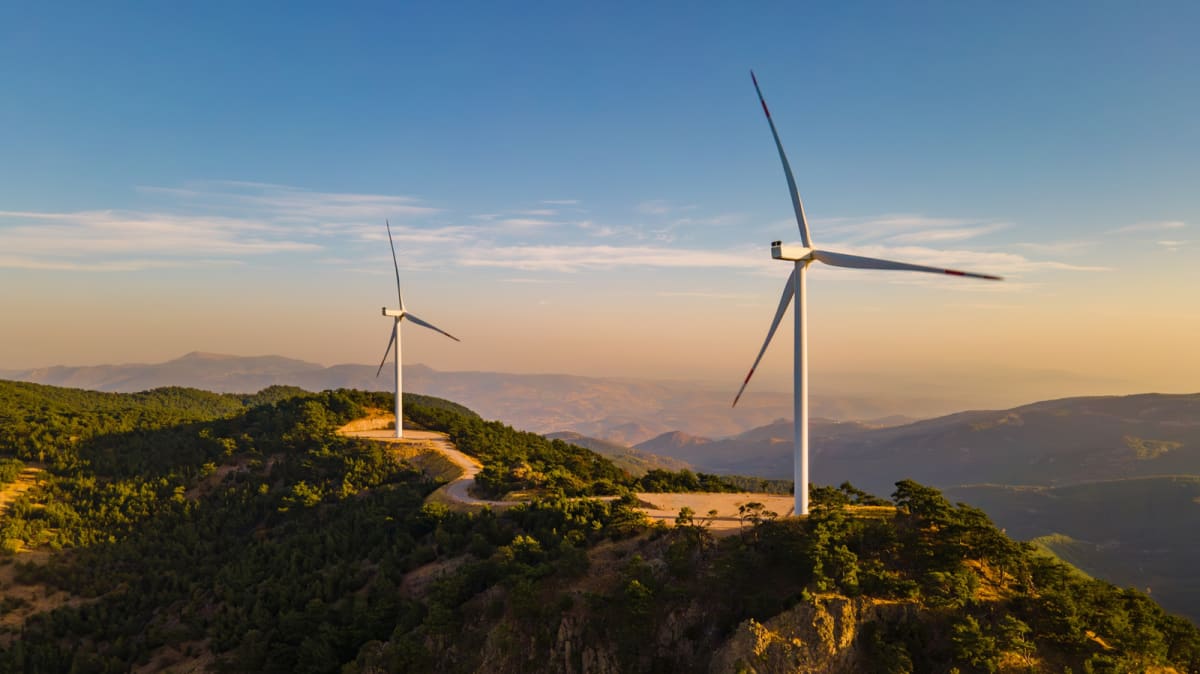
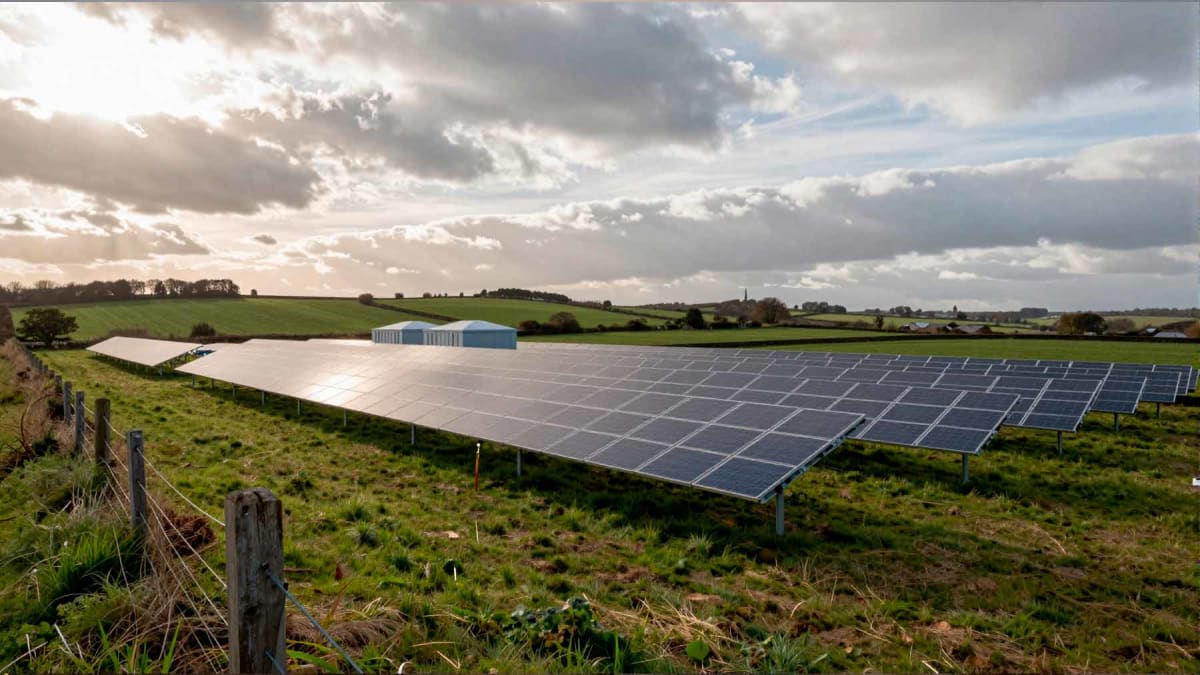
For the first time ever, wind and solar power combined generated more electricity worldwide than natural gas in April. The milestone signals a fundamental shift in global energy markets toward cleaner, more sustainable power sources.
The world just crossed a clean energy threshold that seemed impossible just a decade ago.
In April 2025, wind and solar power together generated more electricity globally than natural gas for the first time in history. According to data from Ember, a UK-based energy think tank, renewable sources accounted for 22% of global electricity generation while natural gas dropped to 20%.
This isn't a temporary blip caused by high fuel prices or seasonal weather patterns. The shift reflects something much bigger: countries worldwide are fundamentally changing how they power their homes and businesses.
Wind and solar output jumped 13% compared to last year, with impressive gains across major economies. Britain saw renewable generation surge 35%, while Chile increased 24%, Australia 17%, China 14%, and the European Union 13%.
What's driving this transformation? Energy security has become just as important as environmental concerns. Many nations discovered they could reduce dependence on imported gas while simultaneously cutting emissions.
The economic case for renewables has strengthened too. Kostantsa Rangelova, a global electricity analyst at Ember, explained that the ongoing energy crisis made renewable energy more competitive compared to imported natural gas, while political pressure accelerated deployment timelines.
The Ripple Effect
This energy milestone is creating waves far beyond environmental benefits. Countries building wind and solar infrastructure are creating jobs, stabilizing electricity costs, and gaining independence from volatile global fuel markets.
Investor confidence reflects this optimism. Clean energy indexes have soared, with wind energy up nearly 50% over the past year and solar gaining more than 51%. These aren't speculative bubbles but responses to real infrastructure growth and electricity demand.
The transition is happening faster than most experts predicted. Just five years ago, analysts questioned whether renewables could ever compete with fossil fuels without heavy subsidies. Now they're winning on economics alone in many markets.
Communities from rural Australia to industrial Europe are experiencing cleaner air and more predictable energy costs. The structural shift means today's milestone likely marks the beginning of renewable dominance rather than a brief moment of parity.
The age of clean energy isn't coming anymore—it's already here.
Based on reporting by Google: clean energy investment
This story was written by BrightWire based on verified news reports.
Spread the positivity!
Share this good news with someone who needs it