Wind Farm Creates 34-Mile Shadow, Stealing Neighbor's Power
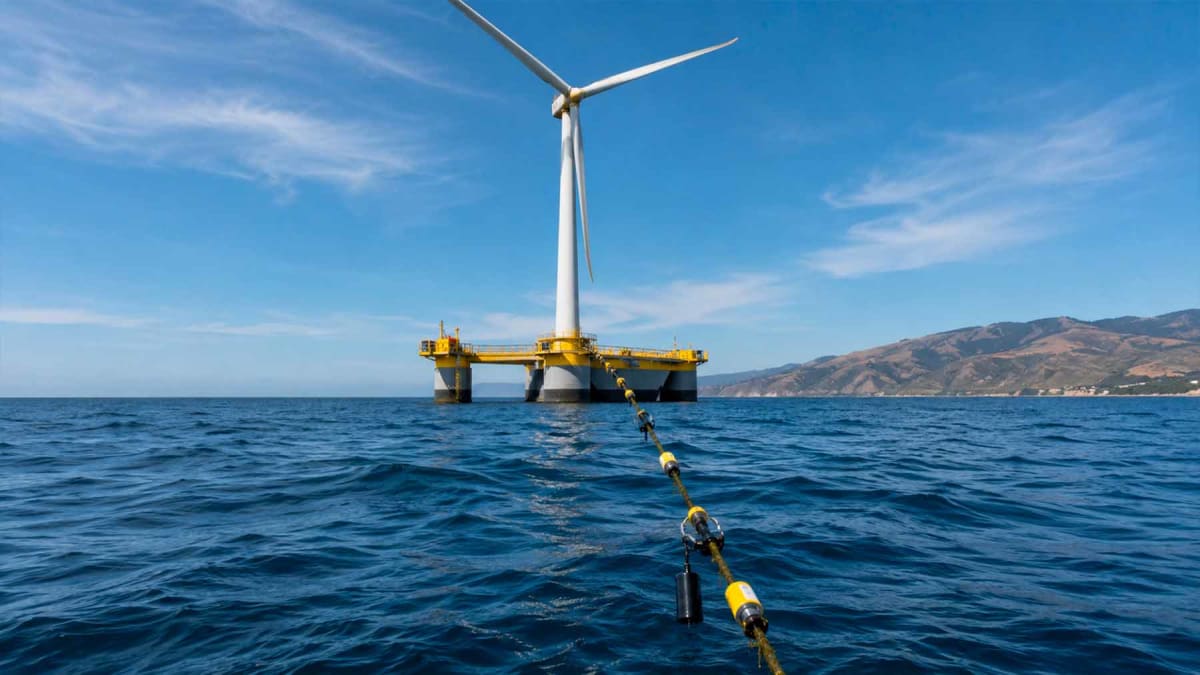
German researchers discovered one offshore wind farm was accidentally robbing another of energy from 34 miles away, creating massive "wind shadows" that stretched across the ocean. The breakthrough finding is helping engineers design smarter renewable energy systems that work together instead of competing.
Engineers at Germany's Global Tech I wind farm kept seeing their power mysteriously vanish on calm, clear days, even when forecasts promised strong ocean winds.
The 80-turbine farm normally delivers 400 megawatts of clean power to hundreds of thousands of homes. But the control room kept recording sudden dips that didn't match weather conditions or equipment problems.
Researchers turned into high-tech detectives to solve the puzzle. They used long-range laser beams and satellite imagery to scan the atmosphere for clues.
What they discovered amazed them. Another wind farm miles upstream was spinning so powerfully that it extracted the wind energy first, leaving behind a 34-mile-long trail of slower air.
The phenomenon happens because of atmospheric stability. When warm air blows over cold ocean water, there's no vertical mixing, so the depleted air behind each turbine doesn't recover quickly.
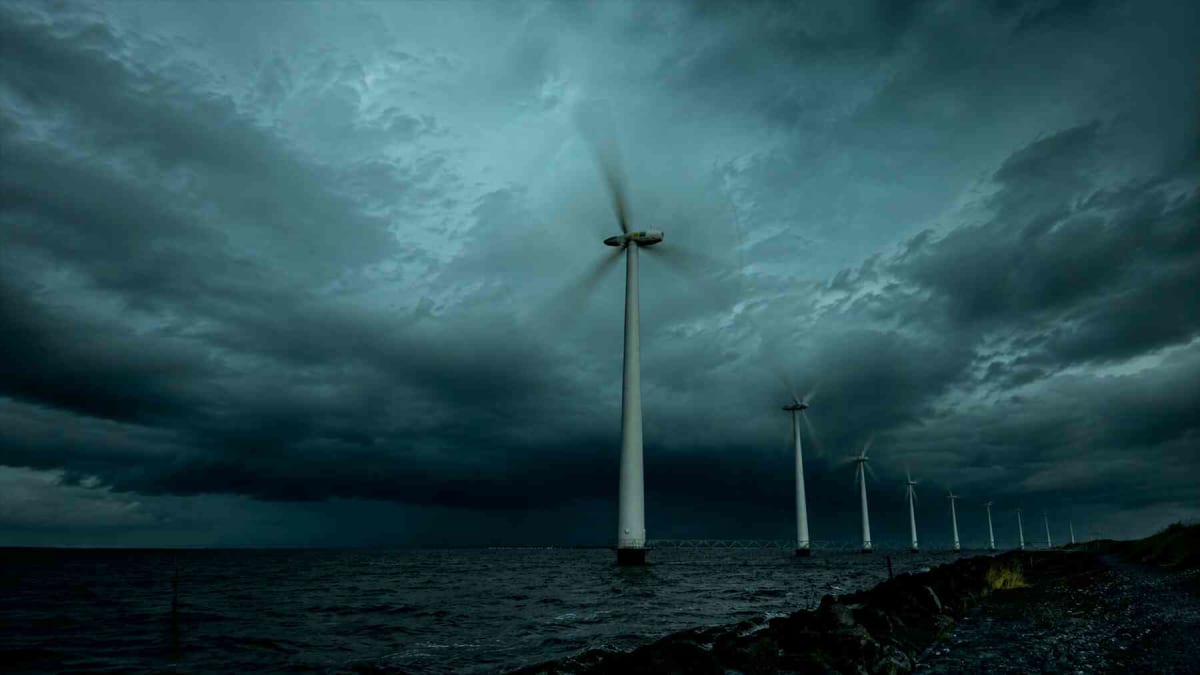
In normal turbulent conditions, these "wind wakes" dissolve within six miles. But under stable conditions, individual turbine wakes merge into one massive wall of drained atmosphere that stretches 160 feet above the rotor tips.
By the time this shadow reaches the downstream farm, there's barely any kinetic energy left to harvest. It's like trying to catch rainwater after your neighbor's giant funnel got there first.
The Ripple Effect
This discovery is transforming how countries plan their renewable energy future. Germany alone aims to build 15 gigawatts of offshore wind capacity, and crowding the ocean with competing farms would waste massive potential.
Engineers now understand that offshore wind installations can't operate in isolation. They need to function as a shared ecosystem where placement matters as much as technology.
The findings are already influencing spatial planning across Europe. Countries are using the data to map offshore territories more strategically, ensuring farms complement rather than compete with each other.
What seemed like a problem is actually accelerating smarter renewable energy design. By understanding how wind farms interact across vast distances, planners can maximize clean power generation for everyone.
The work proves that collaboration beats competition, even in the renewable energy race. When wind farms work together instead of stealing from each other, the whole planet wins.
Based on reporting by Google News - Wind Energy
This story was written by BrightWire based on verified news reports.
Spread the positivity!
Share this good news with someone who needs it