Germany Joins $350B Nuclear Fusion Race With 4 Startups
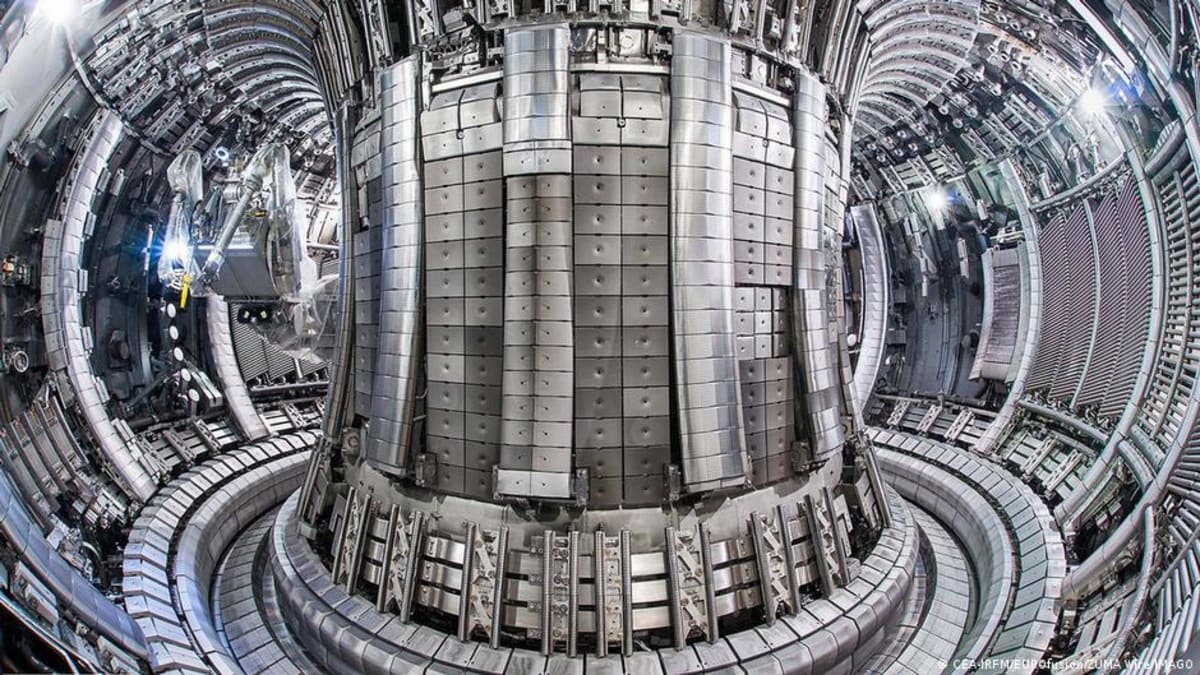
Clean, safe nuclear fusion energy could power the world without fossil fuels or radioactive waste. Four German startups are now competing to make it reality, with the first fusion reactor expected in the early 2040s.
The technology that powers the sun could soon power your home, and Germany just entered the race to make it happen.
Nuclear fusion promises unlimited clean energy without greenhouse gases, radioactive waste, or meltdown risks. Unlike today's nuclear plants that split atoms, fusion combines light atoms to create energy, mimicking the process inside stars. The International Energy Agency estimates the fusion sector will be worth $350 billion by 2050.
Four German companies are now competing to crack this challenge. Focused Energy, Marvel Fusion, Proxima Fusion, and Gauss Fusion have joined 77 companies worldwide racing to build the first commercial fusion reactor.
The momentum is building fast. Private investors poured nearly $15 billion into fusion research by the end of 2025, growing 30% in just six months. Several companies are already valued over $1 billion.
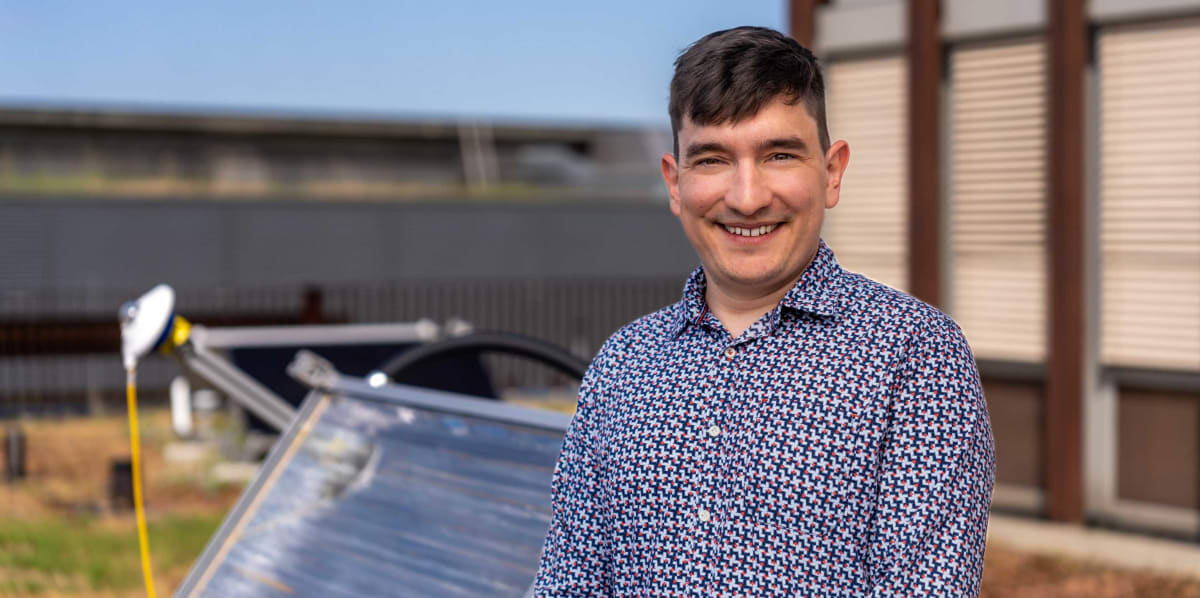
Germany brings unique strengths to the competition. While U.S. and Chinese companies receive more funding, German startups have something better, says Professor Markus Roth, who co-founded Focused Energy in 2021. "We have a stronger ecosystem to build on," he explains, pointing to Germany's world-leading research institutions and optics industry.
That ecosystem is already paying off. German energy giant RWE invested $65 million in Focused Energy in May 2026 and plans to build a prototype fusion plant on the site of a former nuclear power plant in Biblis. The company uses laser-based fusion technology similar to what achieved a historic breakthrough in 2022, when U.S. researchers produced more energy from fusion than the lasers consumed.
Why This Inspires
This isn't just about Germany competing with tech giants. It's about transforming how the world generates power. Fusion could provide electricity regardless of weather, without the carbon emissions driving climate change or the waste from traditional nuclear plants.
The path forward requires adapting Germany's manufacturing prowess. "We need to learn to build laser systems the way we build cars, on an assembly line but with high precision," Roth says. If successful, the optics industry could become a major pillar of the German economy.
Tech companies are watching closely. Google has invested hundreds of millions in U.S. fusion companies and even assigned engineers to development projects. Microsoft signed contracts to purchase fusion electricity. These deals signal that Big Tech sees fusion as the answer to powering energy-hungry AI data centers.
The German government recognizes the potential too, identifying nuclear fusion as one of six key technologies for the country's future. With companies racing toward completion, the first fusion reactor could begin operating in the early 2040s.
Clean, unlimited energy that's safe and emissions-free isn't science fiction anymore—it's an engineering challenge being solved right now.
Based on reporting by DW News
This story was written by BrightWire based on verified news reports.
Spread the positivity!
Share this good news with someone who needs it