South Korea Invests $7B in Quantum, Space, and Clean Energy
South Korea just launched an ambitious national technology program targeting seven breakthrough fields from quantum computing to nuclear fusion. The SEED initiative includes $7 billion in funding through 2030 to make the country a leader in next-generation technologies.
South Korea is betting big on the technologies that could define the next decade, and the timeline is surprisingly concrete.
President Lee Jae Myung announced the SEED initiative in August, grouping seven strategic technology areas under one unified national plan. The program targets small modular reactors, nuclear fusion, renewable energy, quantum computing, space and aviation, advanced biotechnology, and critical mineral supply chains.
The government is committing 10 trillion won (about $7 billion) specifically for materials, parts, and equipment technologies by 2030. It's not just research funding but investment in the practical building blocks needed to turn scientific breakthroughs into real-world products.
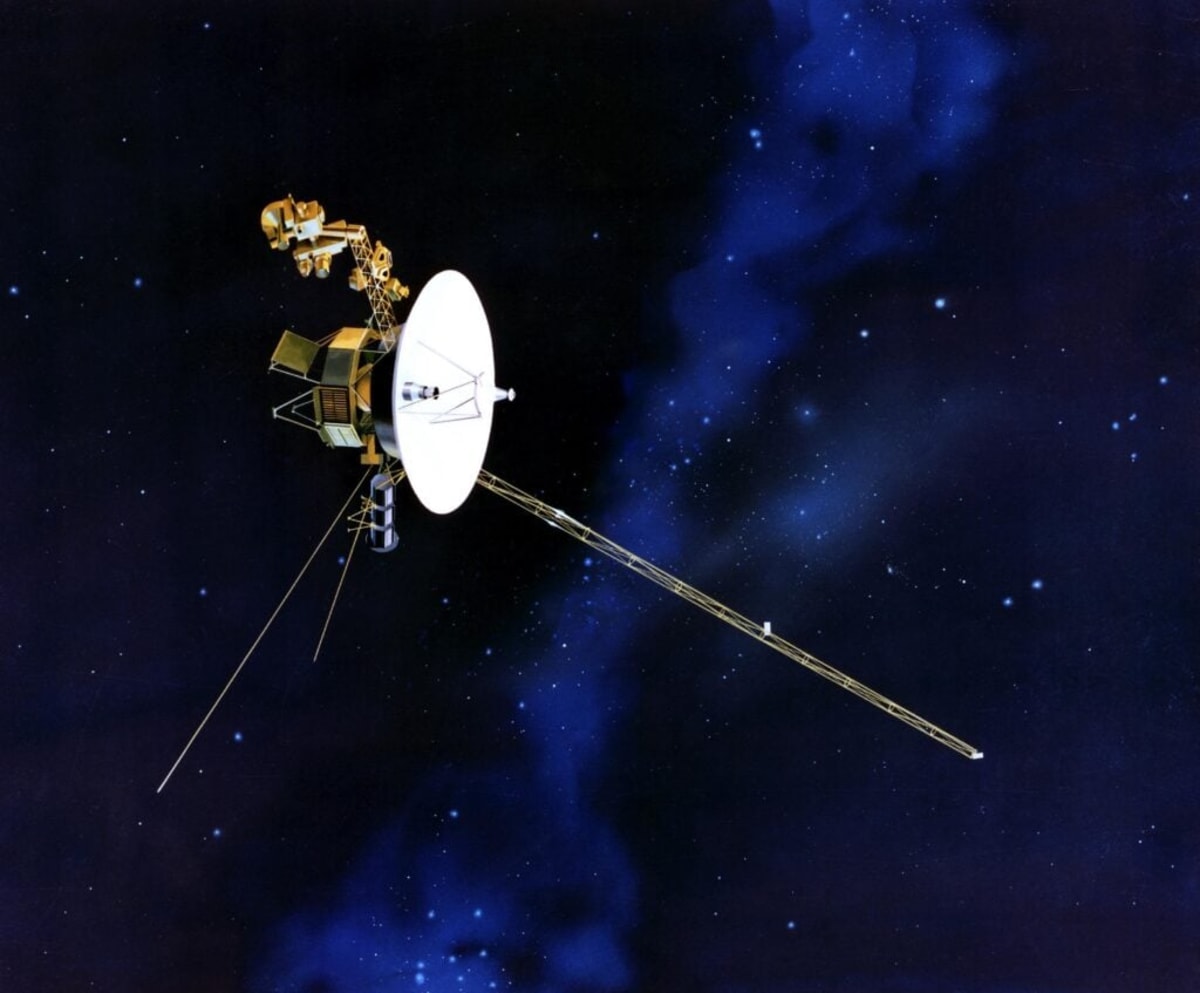
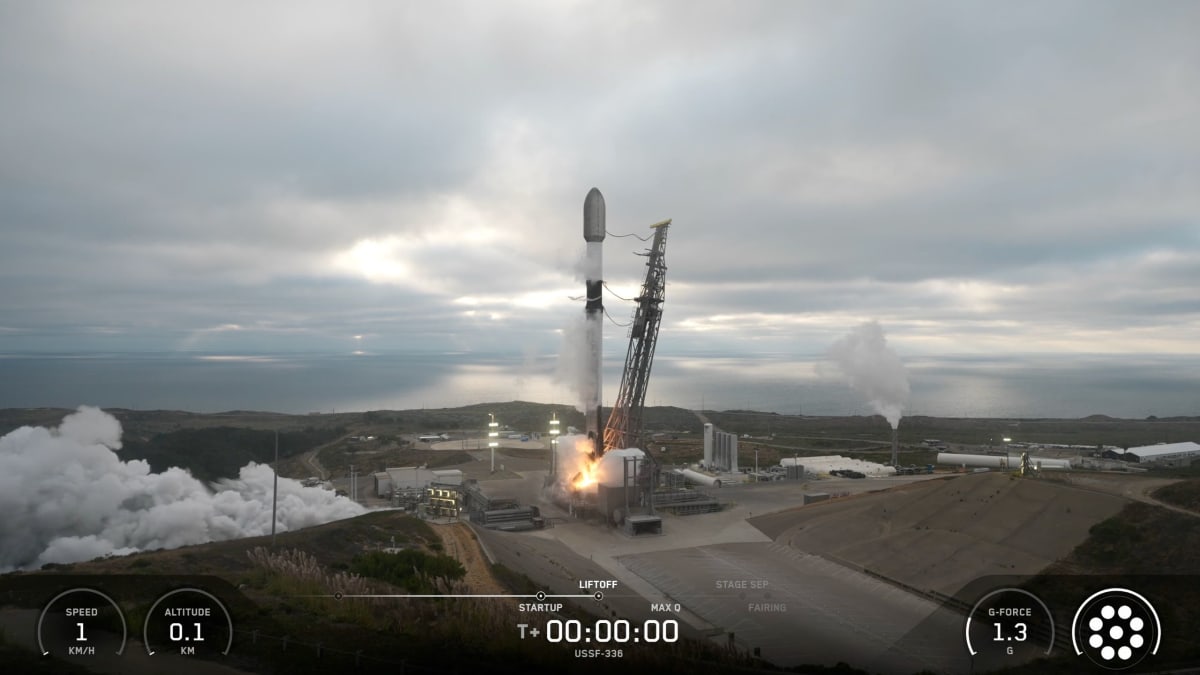
Some goals are already taking shape with specific deadlines. South Korea plans to build a 50-qubit quantum computer by 2026 and upgrade to a 100-qubit error-correcting system by 2029. The country aims to land a small spacecraft on the moon in 2030 and launch its own low-Earth-orbit satellite network by 2035.
The energy ambitions are equally bold. South Korea expects to complete its first commercial small modular reactor in 2035 while developing a fusion demonstration reactor capable of generating electricity sometime in the 2030s.
The biotechnology strand includes an ambitious 2030 target for brain-computer interface technology designed to help people with quadriplegia. The critical materials component addresses supply chain security for essential minerals and expands specialized industrial complexes.
The Ripple Effect
This isn't just about South Korea racing ahead in cool technologies. The SEED initiative addresses real global challenges like clean energy, healthcare accessibility, and supply chain resilience that affect everyone.
When countries invest seriously in breakthrough technologies with clear timelines and substantial funding, it creates momentum across borders. South Korea's quantum computing progress could accelerate medical research worldwide. Their small modular reactor designs could make clean nuclear energy more accessible to smaller nations. Brain-computer interfaces could transform lives for millions living with paralysis.
The program also signals that major economies are moving past pilot projects into deployment mode. Having specific dates like 2026 for quantum computers and 2030 for lunar landers makes these advances feel real rather than perpetually futuristic.
South Korea is proving that addressing climate change, energy security, and technological leadership don't have to be separate goals. Building the seven pillars together creates a foundation for sustainable growth that other nations are watching closely.
More Images




Based on reporting by Regional: south korea technology (KR)
This story was written by BrightWire based on verified news reports.
Spread the positivity!
Share this good news with someone who needs it