Wind Farm Dig Uncovers Roman Villa and 'Norfolk Nessie
Archaeologists working on a wind farm project in Norfolk, England, discovered a complete Roman villa, bathhouse, and a serpent-shaped bronze artifact locals are calling "Norfolk Nessie." The unexpected treasure trove shows how modern green energy projects can protect ancient history while building our future.
Workers installing cables for a wind farm in Norfolk, England, just struck gold from 2,000 years ago.
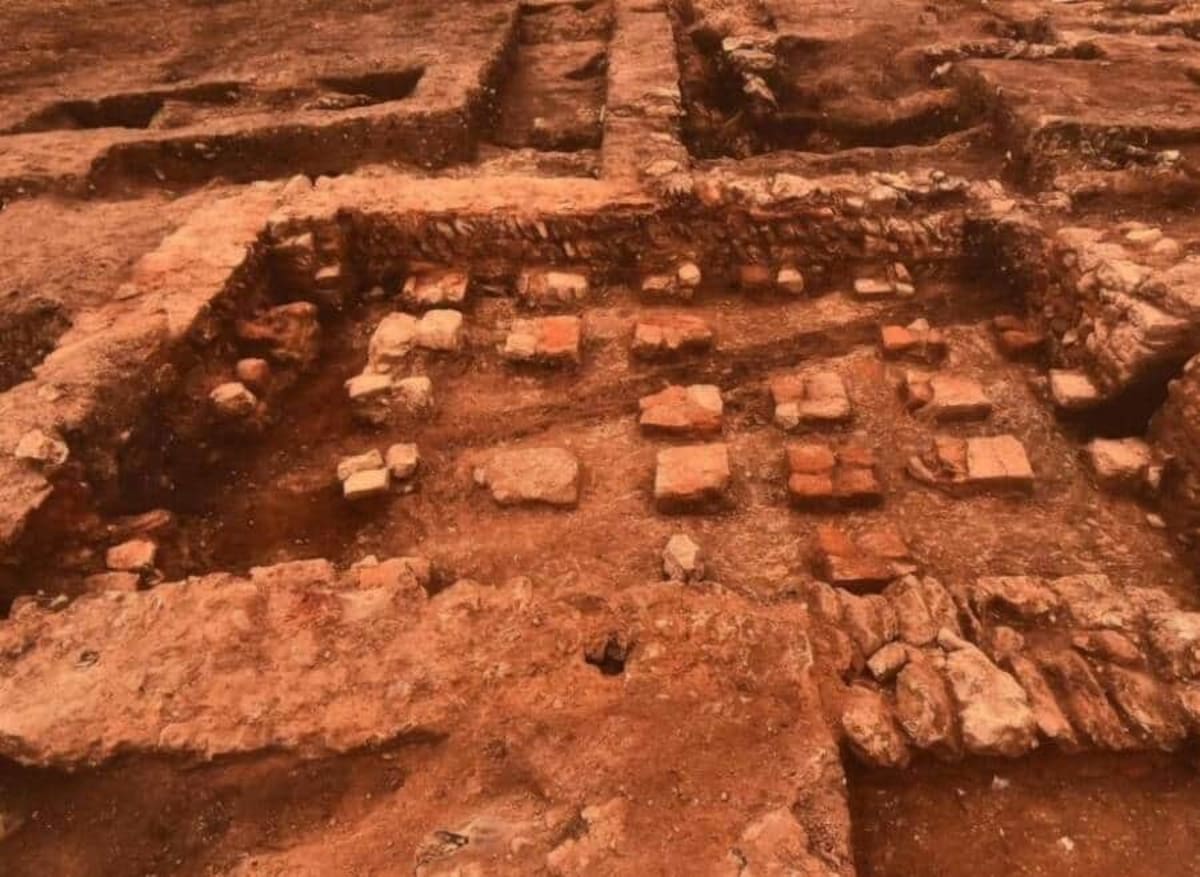
What started as routine archaeological surveying for renewable energy infrastructure turned into one of the region's most exciting Roman discoveries. Near the town of Dereham, archaeologists from Headland Archaeology uncovered an entire Roman villa complex, complete with a bathhouse and multiple buildings that once formed a thriving farming estate.
"There was obviously something important under there because they kept finding lots of roof tiles," said Jessica Lowther, who led the excavation. The team discovered evidence of food growing and processing that suggests this wasn't just a luxury home but a bustling agricultural center during Roman Britain.
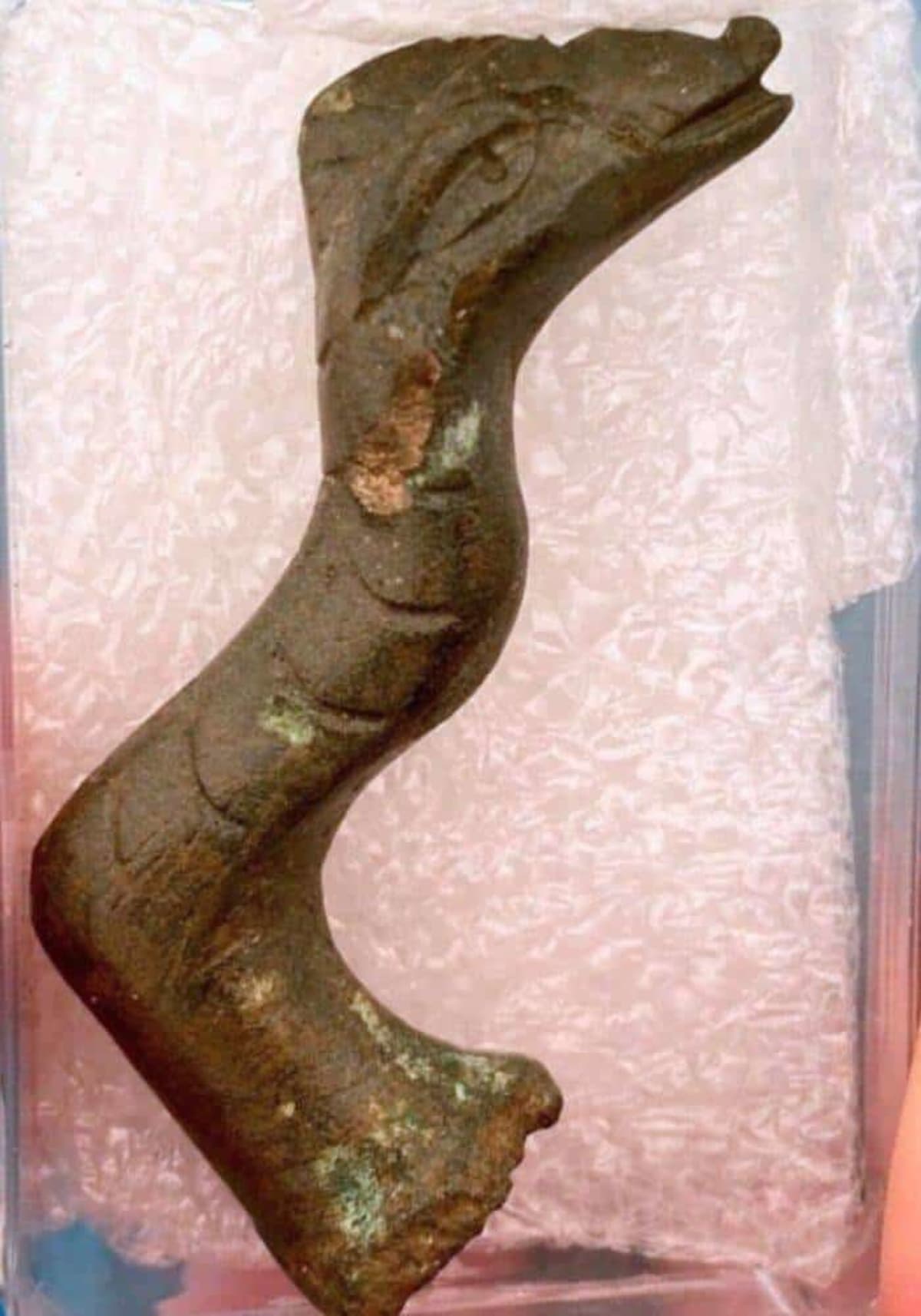
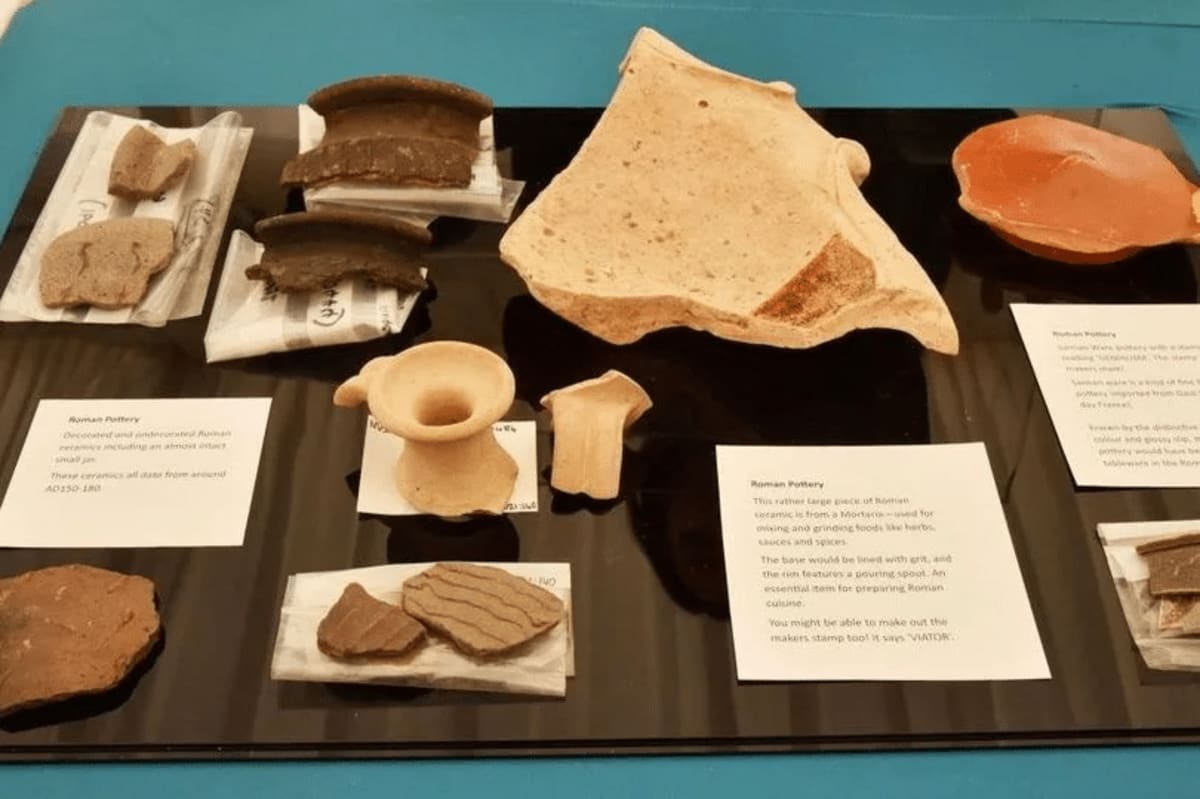
The site yielded treasures that bring ancient life into vivid focus. Archaeologists found bones of cats and dogs believed to have been beloved pets, a bronze lion's head that once adorned furniture, and a silver ring. The star of the show is a bronze vessel handle shaped like a serpent, its green patina earning it the playful nickname "Norfolk Nessie" after Scotland's famous lake monster.
The Ripple Effect
This discovery shows renewable energy and history preservation can work hand in hand. Energy company RWE didn't just allow the excavation but celebrated it, hosting community events where locals explored the artifacts and experienced the Roman villa through augmented reality.
"Careful archaeological work sits alongside responsible infrastructure development," said Jon Darling, RWE's project director. The approach protects Norfolk's heritage while supporting the transition to clean energy.
The finds add rich detail to Norfolk's Roman past, which began when Rome invaded Britain in 43 CE. This region was home to the Celtic Iceni tribe, famous for Queen Boudica's rebellion, before Roman settlers transformed the landscape with roads, villas, and new farming methods.
The site has been carefully reburied to protect it from damage, but its stories live on through the artifacts and records now preserved for future generations. Local residents can now connect with ancestors who walked the same land almost two millennia ago, thanks to a wind farm that looked backward while building forward.
More Images

Based on reporting by Google: archaeological discovery
This story was written by BrightWire based on verified news reports.
Spread the positivity!
Share this good news with someone who needs it