8-Year-Old Finds Rare 1,700-Year-Old Roman Statue in Desert
A boy searching for show-and-tell items in Israel's Negev Desert discovered a rare ancient Roman statuette fragment dating back 1,700 years. His responsible reporting of the find earned him a good citizenship award and helped preserve an important piece of history.
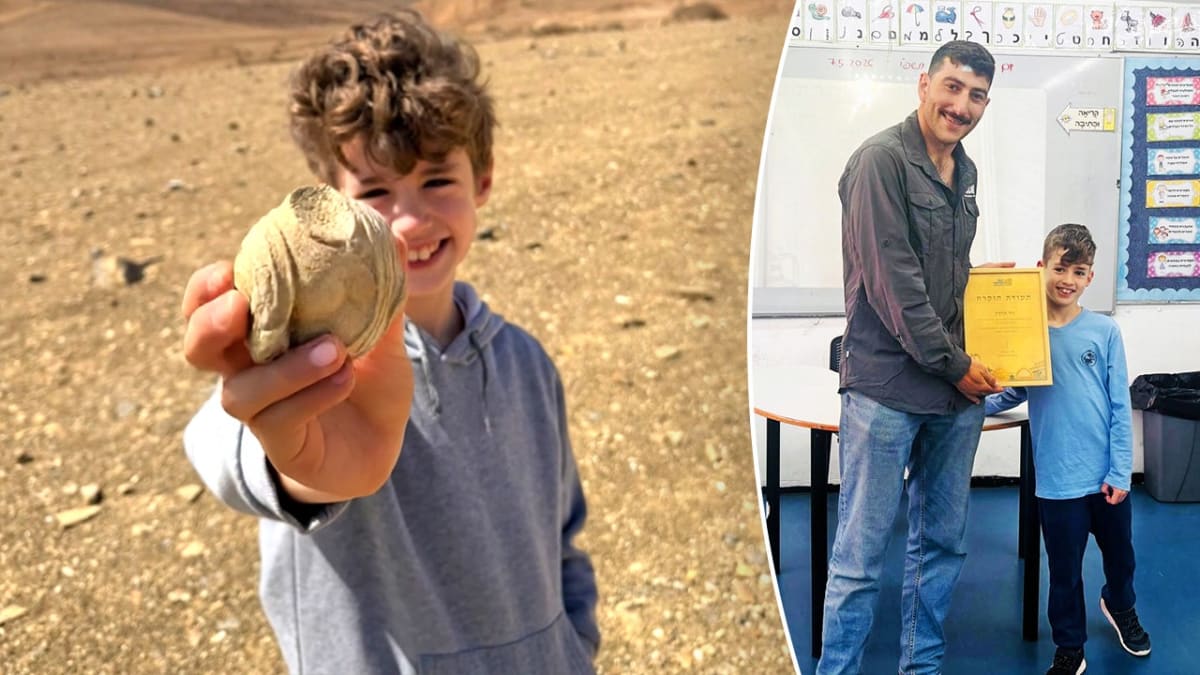
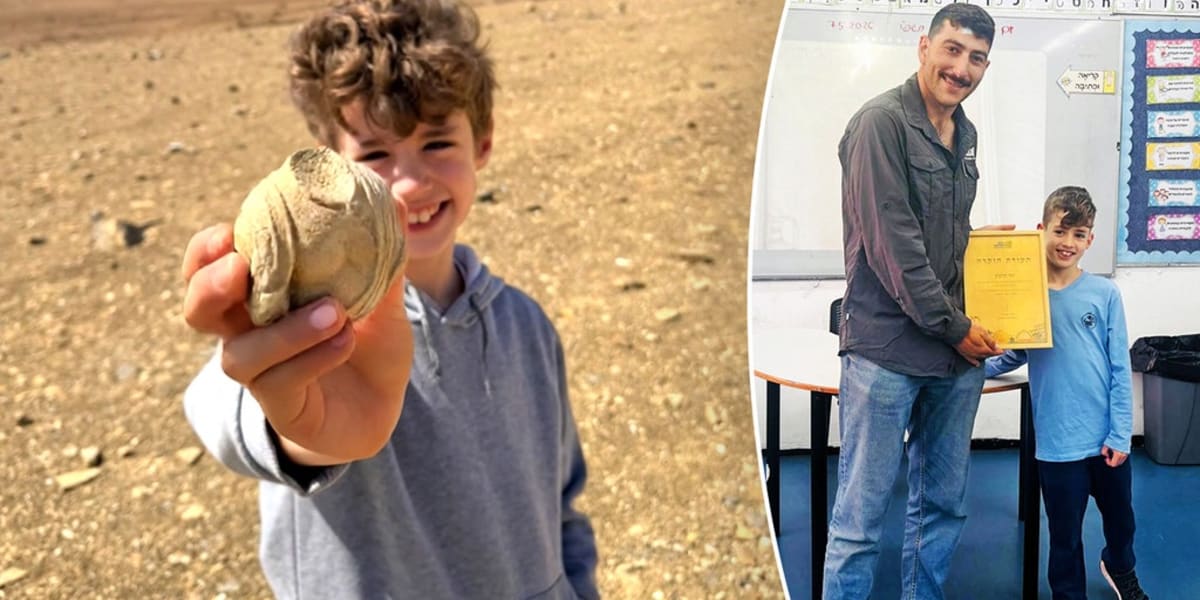
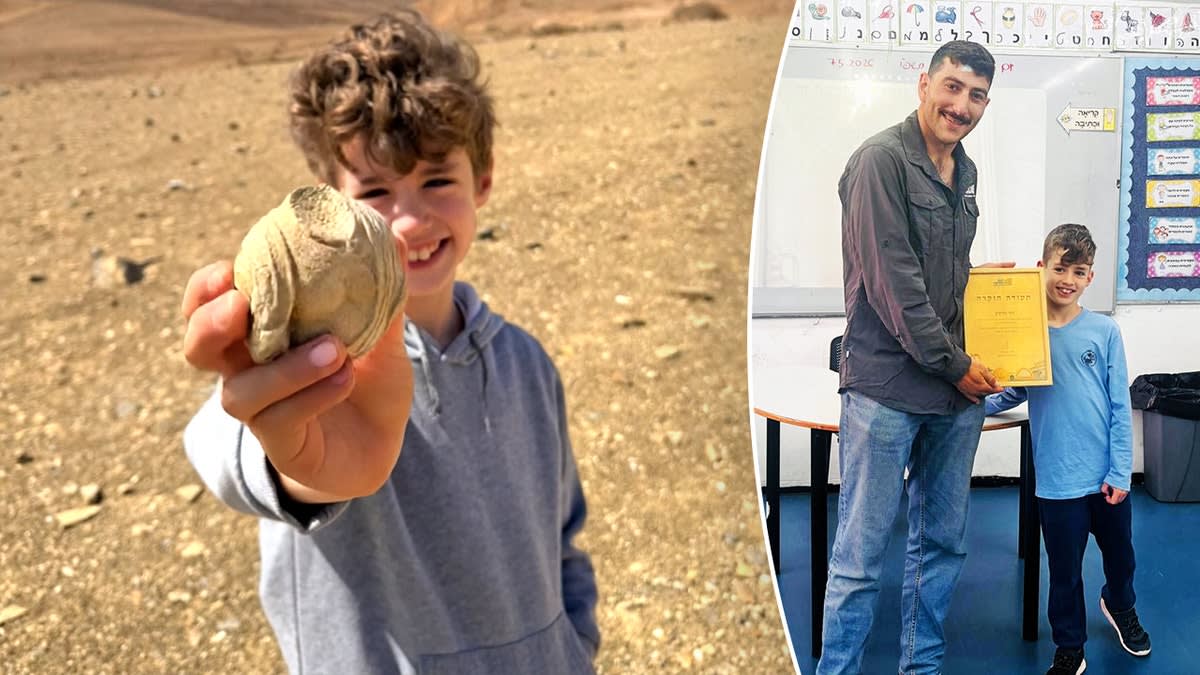
Eight-year-old Dor Wolynitz was hunting for interesting rocks to share with his classmates when he spotted something that would stun archaeologists: a 1,700-year-old Roman statuette hidden in the desert sand.
The young explorer from Rehovot, Israel, made the discovery during a family weekend retreat at Ramon Crater in the Negev Desert. He was deliberately looking for special finds to show his class when an unusual striped stone caught his eye.
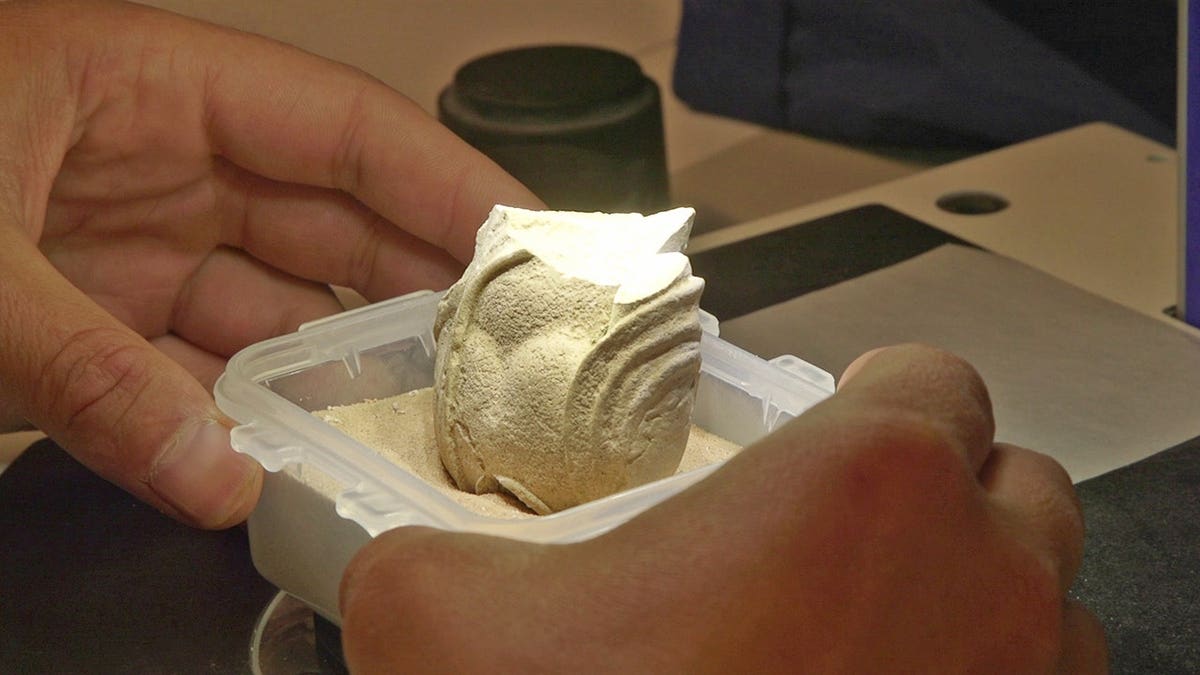
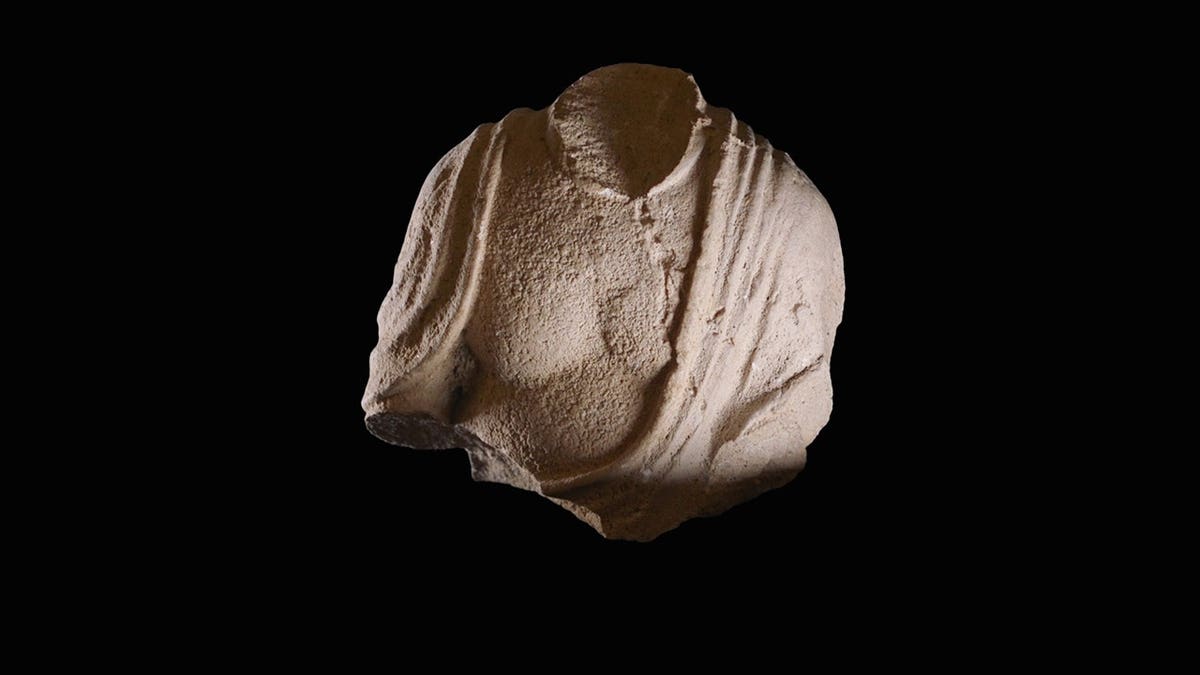
"Suddenly, I noticed an interesting stone with stripes lying on the ground, and picked it up," Dor told the Israel Antiquities Authority (IAA). The fragment, measuring about six centimeters on each side, depicted carefully sculpted fabric folds from what experts believe is a human figure.
Luckily, Dor's father's friend Akiva Goldenhersh, an archaeologist with the IAA's Antiquities Theft Prevention Unit, was on the trip. Goldenhersh initially thought the piece was just a fossil, but closer inspection revealed something far more extraordinary.
The artifact dates to the fourth century A.D. and shows remarkable craftsmanship. The figure wears a heavy Roman mantle called a himation, and the delicate sculpting suggests a highly skilled ancient artist created it.
Even more fascinating, the statuette was made from phosphorite, a mineral native to the Negev region, meaning it was likely crafted locally rather than imported. The piece may depict the Roman god Jupiter or a Nabatean deity called Zeus-Dushara, reflecting the cultural melting pot that existed along the ancient spice route.
"Discovering one as a surface find, rather than during a controlled excavation, is especially unusual," Goldenhersh explained. The fragment likely moved from its original location over centuries due to erosion, but the dry desert conditions helped preserve it remarkably well.
Sunny's Take
What makes this story truly shine isn't just the ancient treasure itself. It's what happened next that shows the best of human nature.
Dor and his family immediately reported the find to Israel's National Treasures Department instead of keeping it. For his responsible citizenship, the young discoverer received an official certificate recognizing his contribution to preserving cultural heritage.
"The responsible conduct of Dor and his family is an example of proper civic responsibility and the preservation of our country's cultural assets," Goldenhersh said. "Dor is a role model for us all."
The discovery reminds us that history isn't locked away in museums but lives beneath our feet, waiting for curious minds to uncover it.
More Images
Based on reporting by Fox News Travel
This story was written by BrightWire based on verified news reports.
Spread the positivity!
Share this good news with someone who needs it