Egypt Discovers 18 Ancient Tombs with 'Golden Tongue' Rituals
Archaeologists in Egypt unearthed 18 tombs containing rare gold amulets placed in mouths of the deceased, revealing an ancient ritual meant to help the dead speak with underworld gods. The discovery at Marina El Alamein adds rich detail to our understanding of Ptolemaic and Roman burial customs.
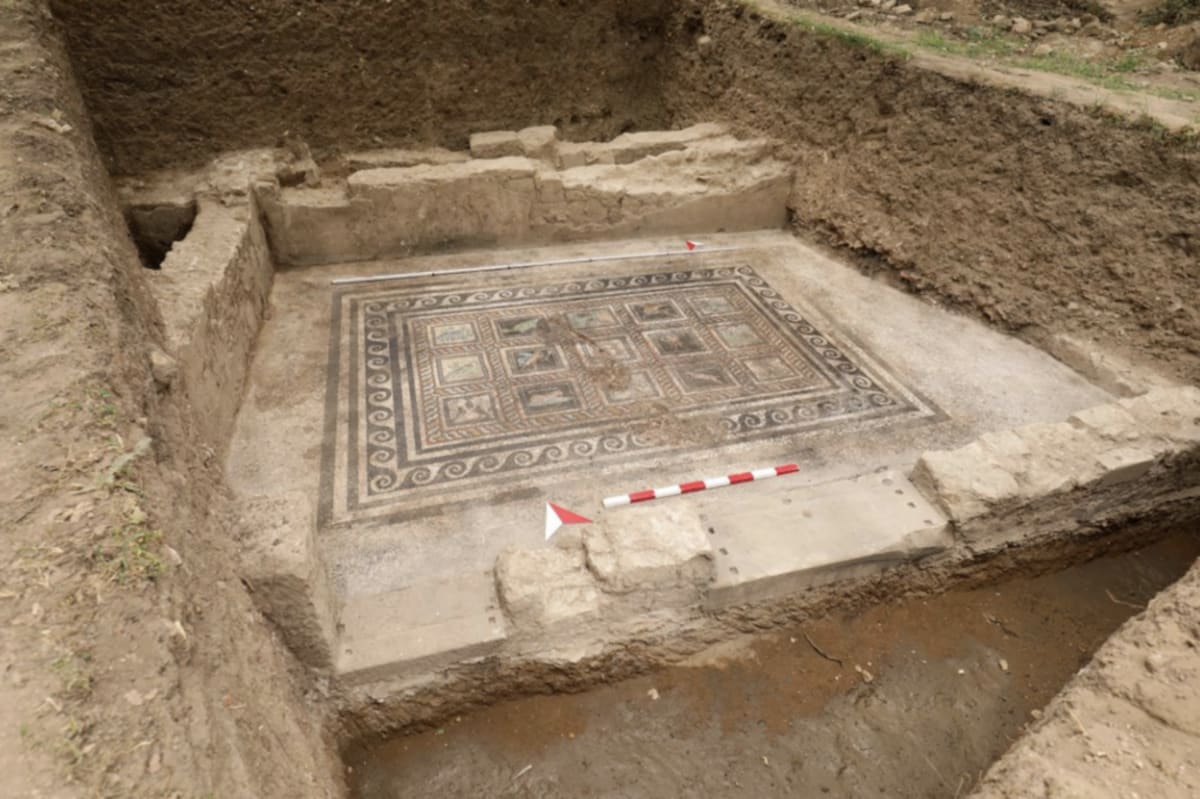
Archaeologists just uncovered something magical along Egypt's northwestern coast: 18 ancient tombs filled with evidence of a mysterious ritual designed to give the dead a voice in the afterlife.
The tombs were discovered at Marina El Alamein, about 300 kilometers from Cairo, where the ancient city of Leukaspis once thrived as a bustling Mediterranean hub. Egypt's Ministry of Tourism and Antiquities announced the find brings the total number of tombs at the site to 44 since excavations began in 1986.
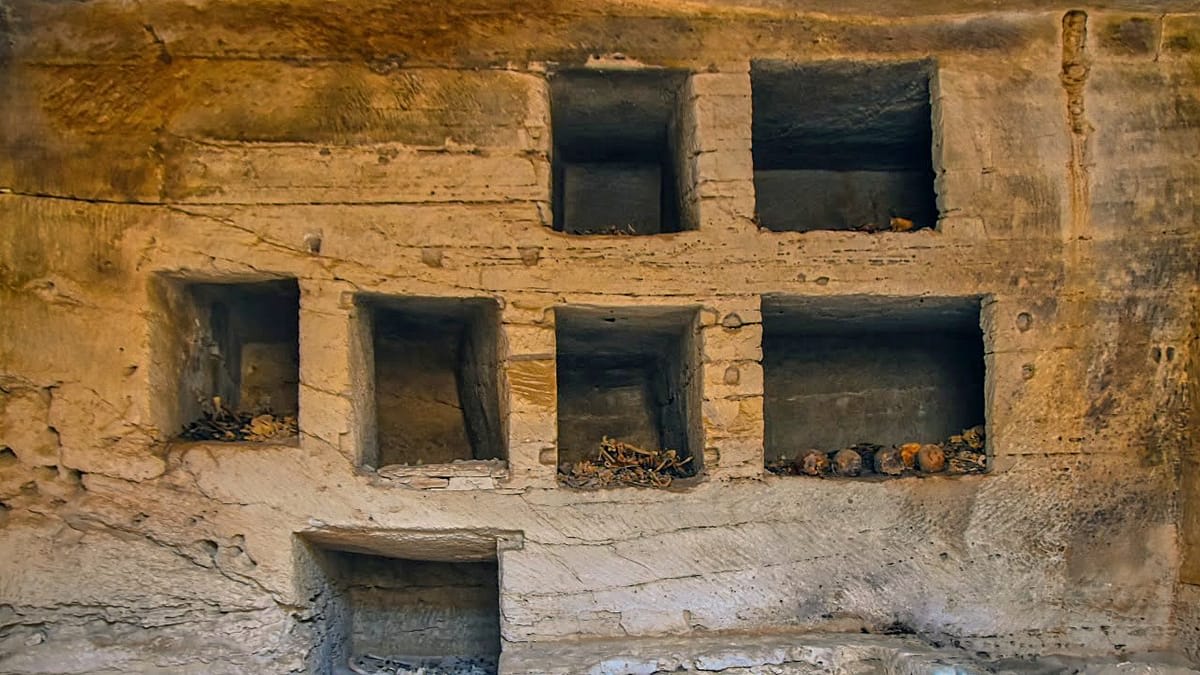
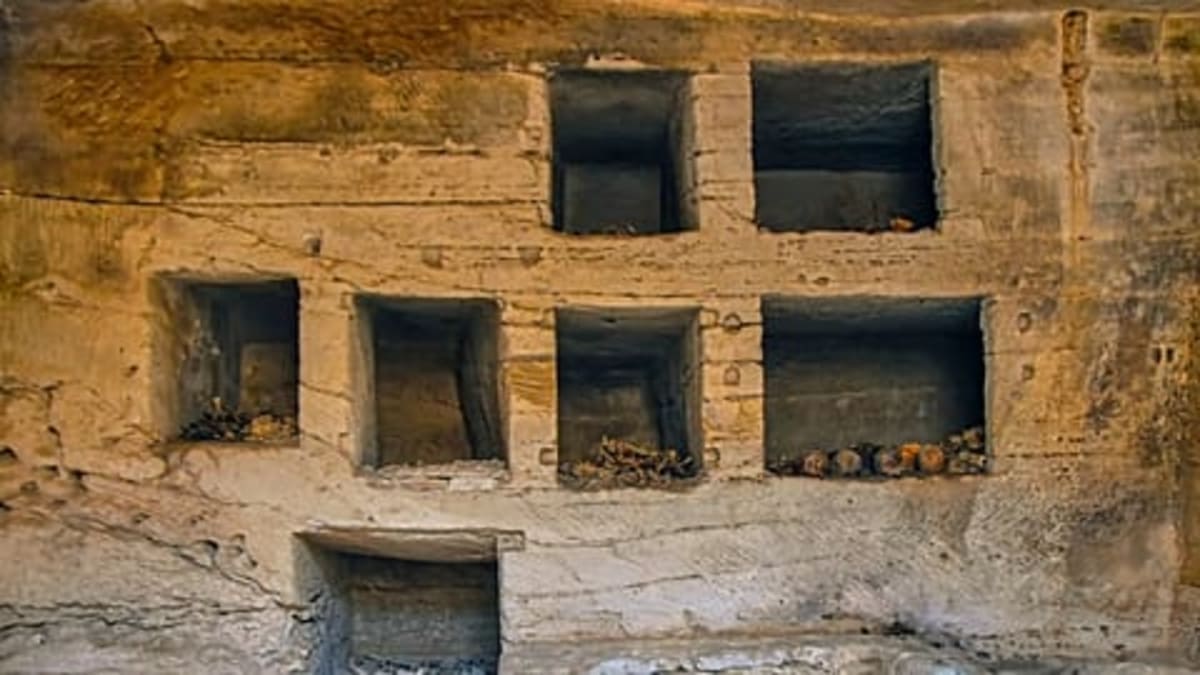
The burial chambers include 11 underground complexes carved directly into rock and seven above-ground structures built from limestone blocks. Some still had their original coverings intact, perfectly preserved after more than 2,000 years.
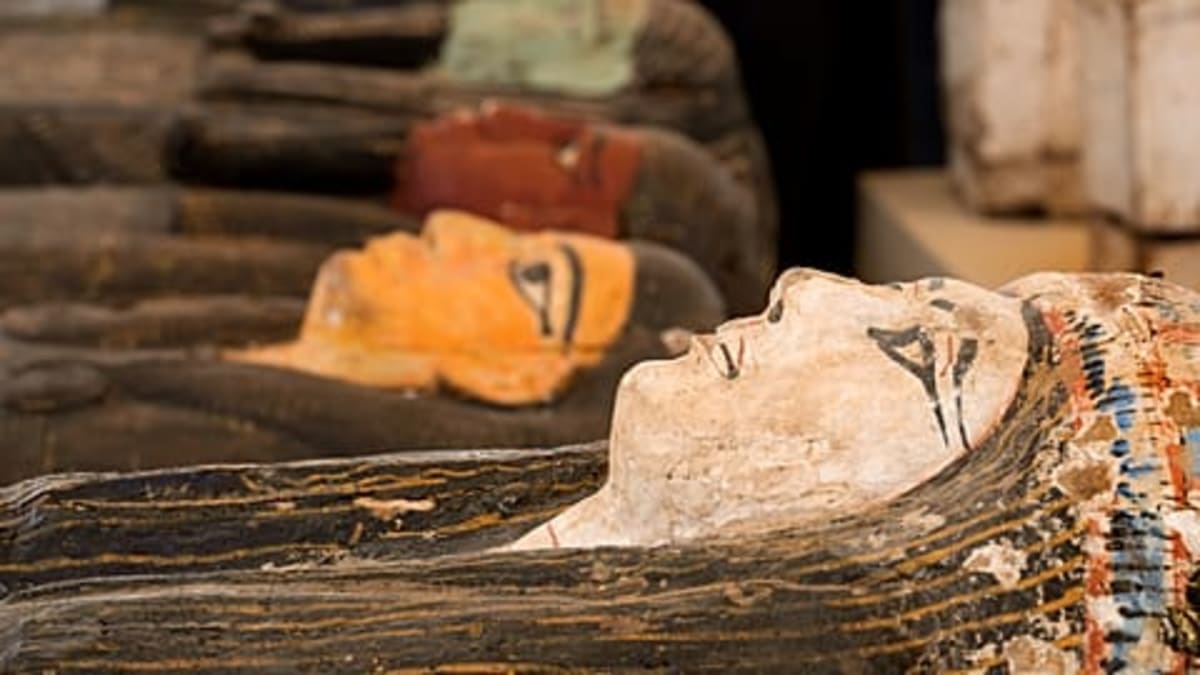
Inside, researchers found everyday objects that paint a picture of ancient life: oil lamps, ceramic vessels, stone altars, and a massive granite sarcophagus stretching two and a half meters long. Human remains still rest inside.
But the most remarkable discovery was what archaeologists found in the mouths of the deceased. Researchers recovered 24 thin sheets of gold foil carefully placed according to an ancient custom called the "golden tongue" ritual.
This widespread practice during Hellenistic and Roman times was meant to help the dead communicate with deities of the underworld. Families believed these golden tongues would give their loved ones the power to speak in the afterlife, ensuring safe passage and divine favor.
The team also discovered a gold amulet depicting the Eye of Horus, showing how traditional Egyptian beliefs remained strong even as Greek and Roman influences spread through the region. These personal touches reveal how much ancient families cared about protecting their loved ones beyond death.
Why This Inspires
This discovery reminds us that human love transcends time itself. These families invested precious gold and careful ritual to ensure their loved ones would never be voiceless, even in death. Their devotion echoes forward through millennia.
Egyptian Tourism and Antiquities Minister Sherif Fathy noted that Leukaspis, located 100 kilometers from Alexandria, served as a strategic center where Egyptian, Greek, and Roman cultures mixed and flourished. The site mentioned by ancient geographer Strabo now stands as one of Egypt's best-preserved coastal settlements from the classical period.
Each artifact adds another piece to the story of how ancient people faced the universal human experience of loss with creativity, faith, and enduring hope that love continues beyond what we can see.
More Images
Based on reporting by Euronews
This story was written by BrightWire based on verified news reports.
Spread the positivity!
Share this good news with someone who needs it