Wind Turbine Home Values Recover After Construction Ends
A massive study of 500,000 home sales near wind farms found property values dip during construction but bounce back completely within five years of operation. The discovery could reshape how communities plan wind energy projects.
Researchers just solved one of the longest running disputes in rural America, and the answer surprised everyone at the county meetings.
A Department of Energy study tracked half a million home sales around 428 wind projects across 34 states between 2005 and 2020. They wanted to measure what actually happens to property values when turbines arrive, not what people fear might happen.
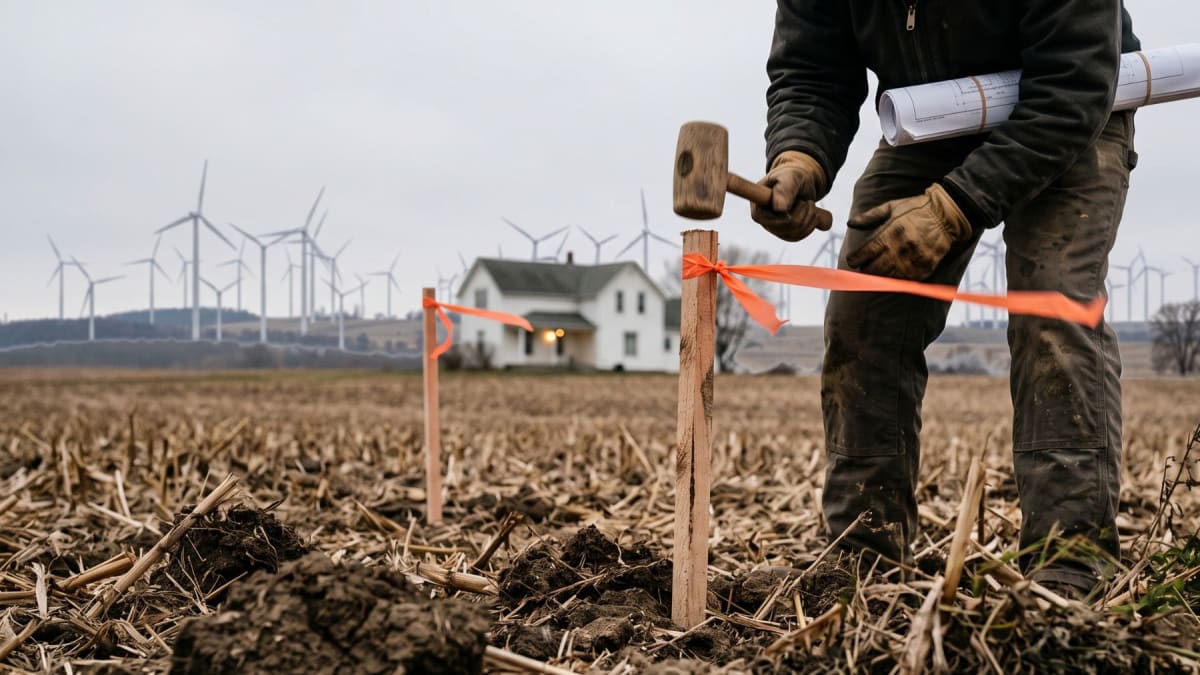
The findings break every assumption about wind farms and home prices. Values start dropping about three years before construction even begins, the moment word spreads about a planned project. Homes within one mile of a future wind farm sold for about 11 percent less during the construction phase, when trucks tear up roads and cranes fill the landscape.
But here's where the story flips. Three to five years after the turbines start spinning, home values in that same one mile ring climb back to exactly where they were before anyone announced the project. Not almost back. All the way back.
The dip wasn't caused by operating turbines at all. It belonged entirely to uncertainty and construction noise. Once the site goes quiet and the heavy machinery leaves, the market recovers completely.
The geographic impact was surprisingly narrow too. Beyond 1.25 miles from a turbine, researchers found zero effect on home prices. Within half a mile, sales dropped but prices held steady for homes that did sell.
The most unexpected finding landed in rural counties. In areas with fewer than 250,000 residents, where most American turbines actually stand, the analysis found no measurable price impact at any distance or time period. The effect only showed up in more populated counties.
The Bright Side
This research hands communities a practical tool for planning wind projects more fairly. Families forced to sell during the construction window take real financial hits while their neighbors who wait see full recovery.
The study doesn't erase legitimate concerns. A household that must move in year two of construction loses money, and knowing the market rebounds by year seven offers them no comfort. But it does show the problem is solvable with better timing.
The lesson shows up around solar farms and offshore projects too. Construction phases need targeted compensation, not permanent buyouts based on fears that never materialize. The numbers prove the recovery happens, which means the solution isn't stopping clean energy projects but protecting the specific families who absorb temporary losses.
Wind energy just got a roadmap for building community trust with actual data instead of dueling predictions.
Based on reporting by Google News - Wind Energy
This story was written by BrightWire based on verified news reports.
Spread the positivity!
Share this good news with someone who needs it