Wind Turbines Kill 4,000x Fewer Birds Than Cats Do
For decades, wind turbines have been painted as bird killers, but new data reveals they're responsible for a tiny fraction of bird deaths compared to everyday threats. Cats alone kill 4,000 birds for every one that dies from a turbine blade.
For nearly 40 years, wind turbines have been called a death trap for birds, but the numbers tell a completely different story.
It all started in the late 1980s at California's Altamont Pass, where thousands of small, fast-spinning turbines were built directly in golden eagle flight paths. The disaster created a lasting image that still haunts renewable energy today, even though the reality has completely changed.
Here's what the data actually shows. Wind turbines in the United States kill between 140,000 and 681,000 birds each year, which sounds alarming until you compare it to everything else.
Power lines kill up to 64 million birds annually. Cars kill up to 340 million birds every year. Glass buildings claim nearly 1 billion bird lives.
And then there are cats. Outdoor cats kill between 1.3 billion and 4 billion birds in the US alone each year, making them the single deadliest threat to bird populations.
Put simply, for every bird that dies from a wind turbine, domestic cats kill roughly 4,000 others. The math gets even more interesting when you look at energy sources side by side.
Wind energy kills about 0.27 to 0.4 birds per gigawatt hour of electricity produced. Fossil fuels kill an average of 5.2 birds per gigawatt hour through habitat destruction, mercury poisoning, and acid rain, and that's before counting climate change impacts.
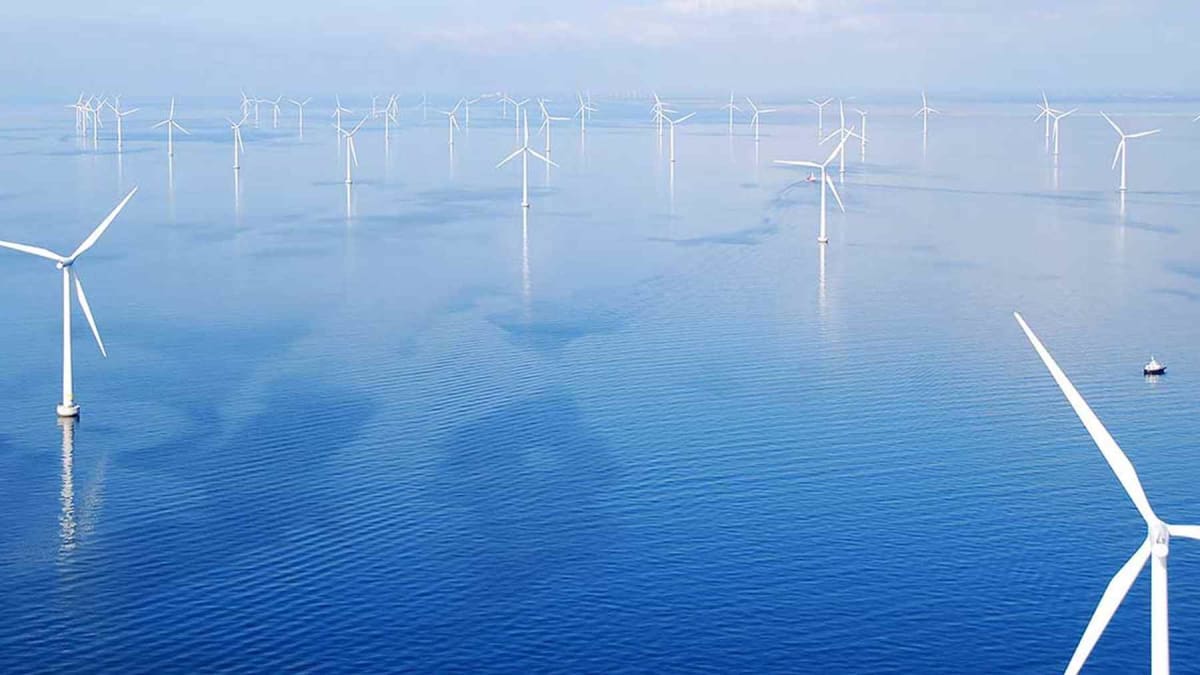
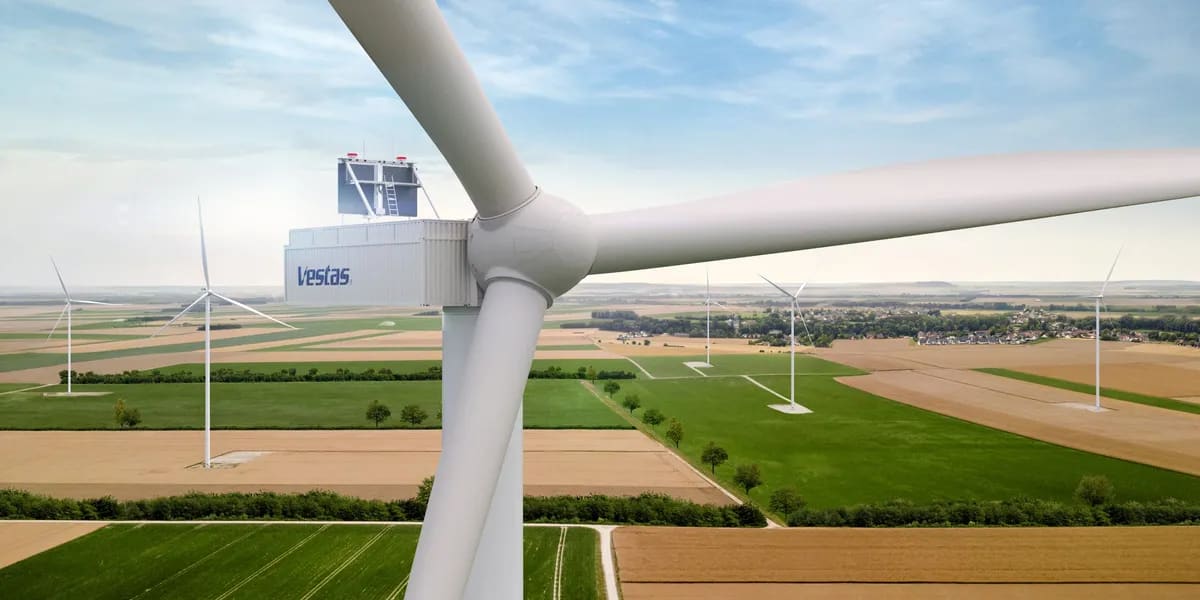
Modern wind farms have also gotten much smarter about protecting birds. Today's turbines are larger and slower than the old Altamont models, making them easier for birds to see and avoid.
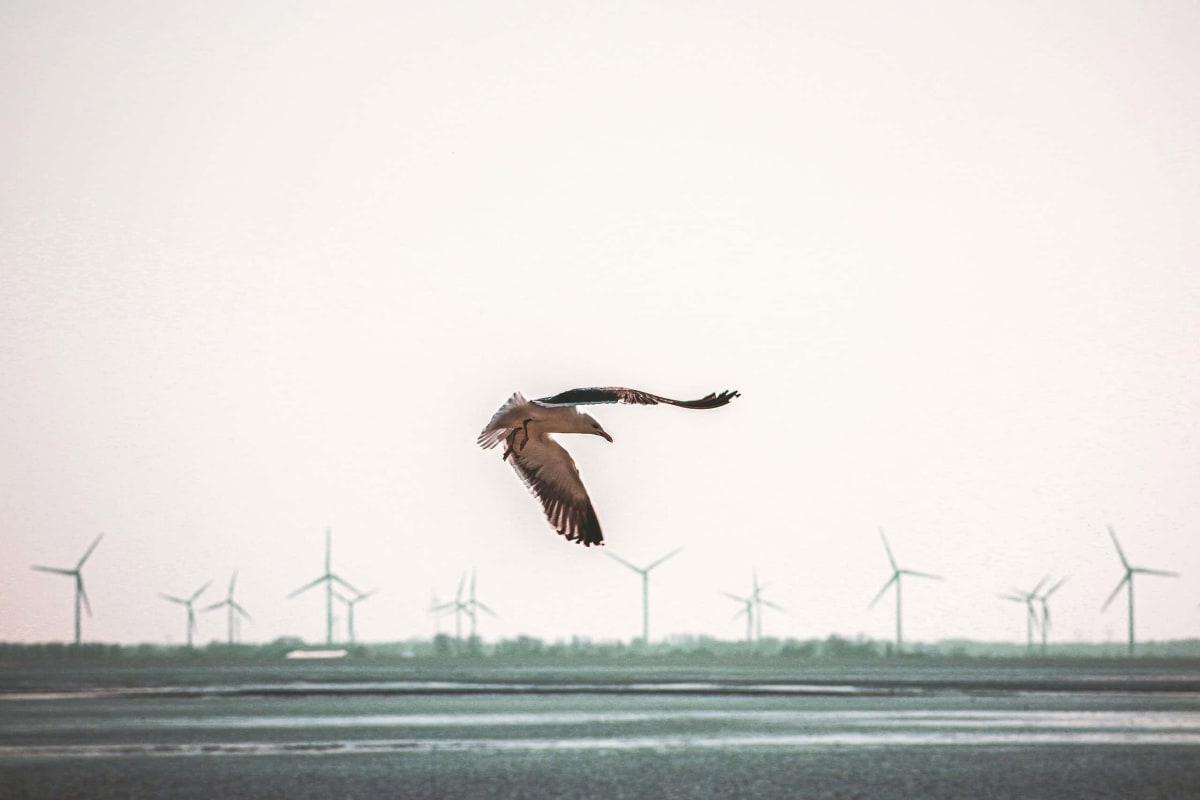
Operators now understand motion smear, the phenomenon where spinning blades become invisible blurs to bird vision. Eagles hunting with their heads tilted down have blind spots right where turbine blades rotate, so newer farms avoid known eagle habitats and migration routes entirely.
Some facilities use AI-powered cameras that detect approaching birds and temporarily shut down specific turbines. Others paint single blades to break up the motion blur, reducing collisions by up to 70% in some trials.
The Bright Side
The shift from fear to facts is giving renewable energy a second chance in the court of public opinion. As climate change accelerates, destroying habitats worldwide, wind power is emerging not as a threat to birds but as one of their best long-term protections.
The data shows we've learned from past mistakes and built better solutions. Every wind farm that replaces a coal plant means cleaner air, more stable habitats, and a fighting chance for species already struggling with rising temperatures and vanishing ecosystems.
The birds flying past modern turbines aren't just avoiding blades, they're benefiting from the cleaner future those turbines help create.
More Images
Based on reporting by Google News - Wind Energy
This story was written by BrightWire based on verified news reports.
Spread the positivity!
Share this good news with someone who needs it