Wind Turbines Provide Half This Kansas Rancher's Income
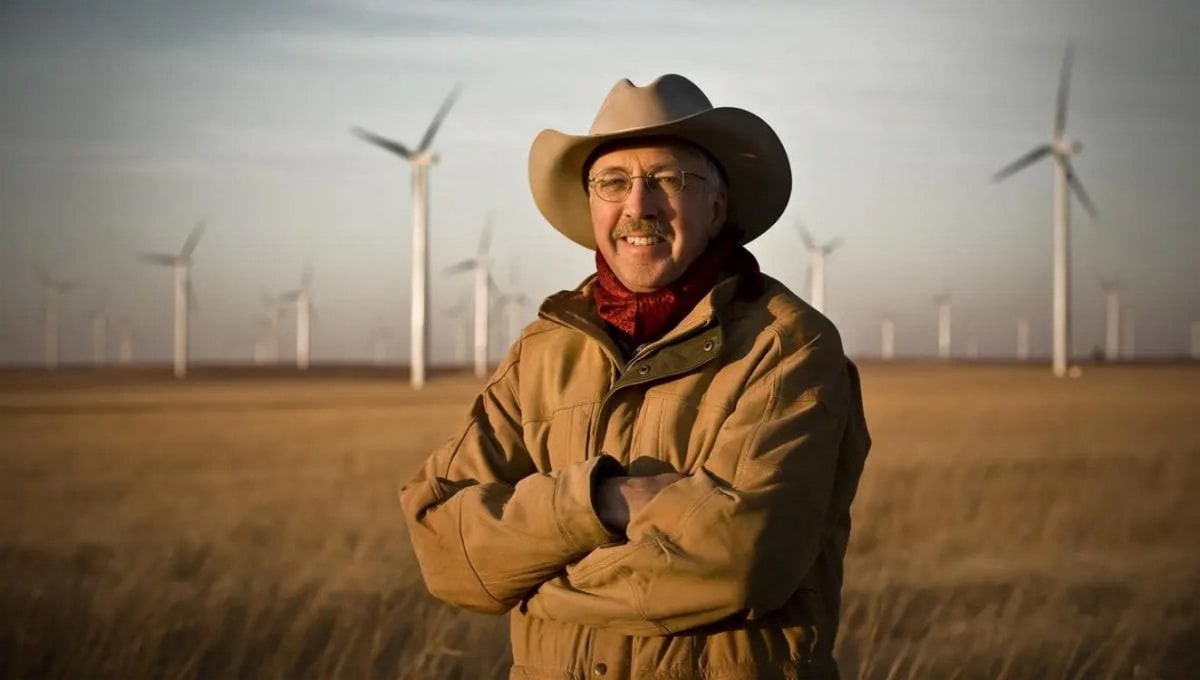
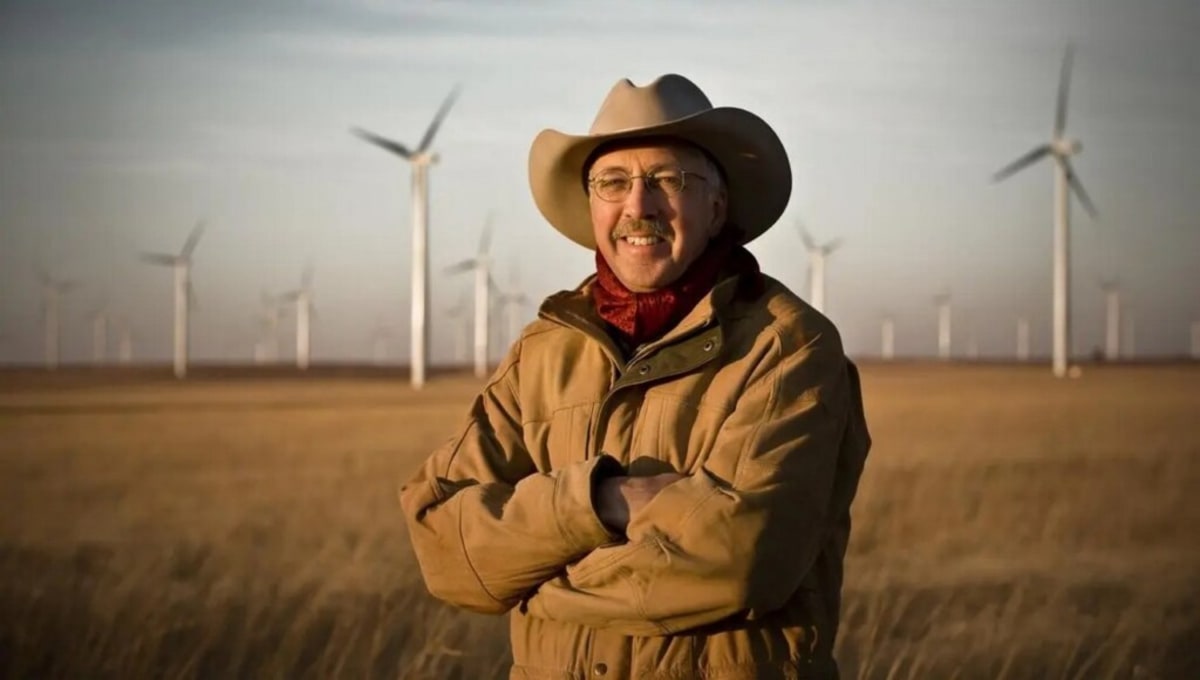
A Kansas rancher who took a chance on wind energy in 2006 now earns half his income from turbines on his land. The decision is allowing fourth-generation rancher Peter Ferrell to pass his 7,000-acre ranch to his children debt-free.
Peter Ferrell's family has ranched the same Kansas land since 1888, but it took a modern twist on an ancient resource to secure its future for the next generation.
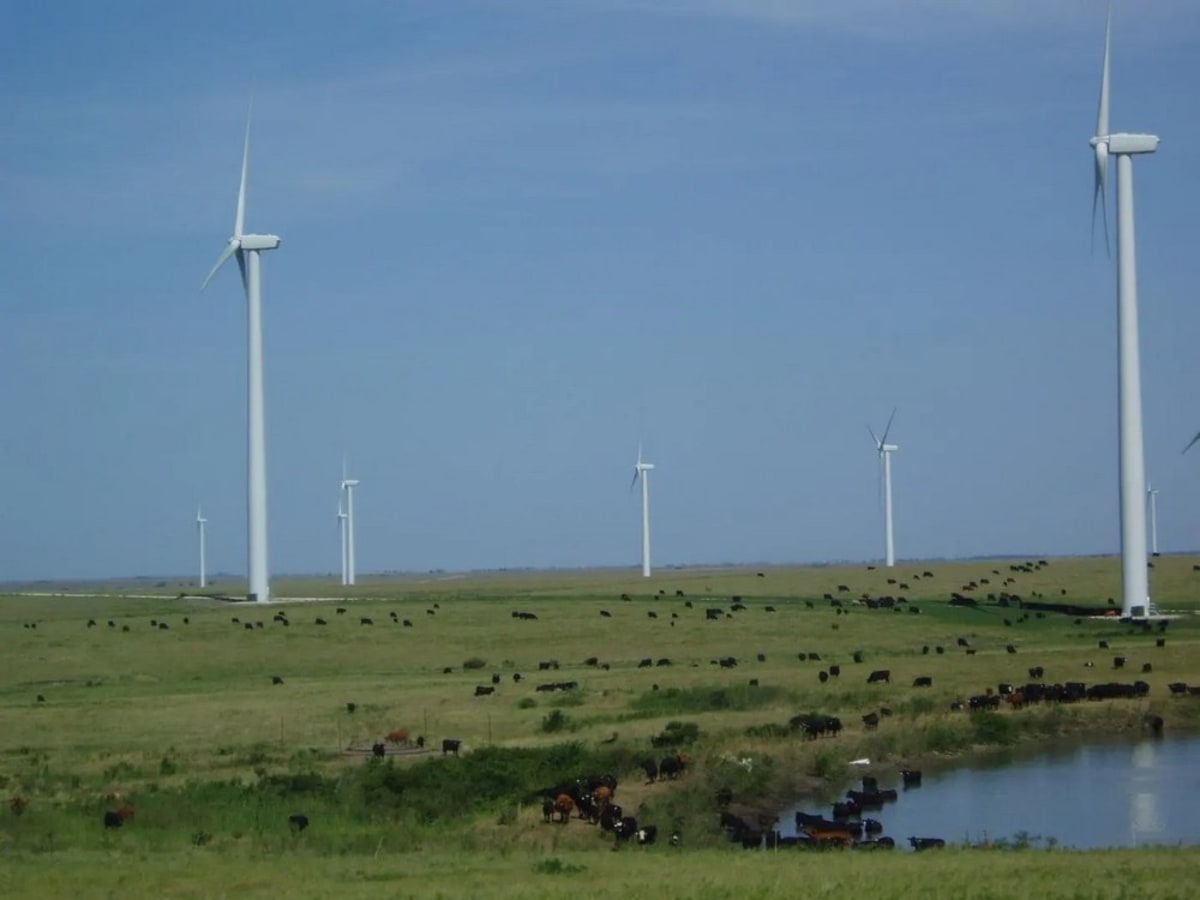
In 2006, Ferrell made a choice that raised eyebrows among his fellow ranchers. He agreed to host 50 wind turbines across his 7,000-acre tallgrass prairie ranch in the Flint Hills as part of Kansas's largest wind power project at the time.
The decision didn't come easily. Other ranchers warned the turbines would ruin the landscape and harm the vulnerable prairie chicken population. Some even suggested the royalty payments amounted to a dishonorable handout.
After a fellow rancher helped address his concerns, Ferrell committed to the project. Then the original developer backed out, forcing him to hunt for a new partner himself.
He eventually signed with Greenlight Energy Resources to build the Elk River Wind Power project. The 50 turbines now power 60,000 homes while his cattle continue grazing beneath them.
Nearly twenty years later, the turbines have provided half of Ferrell's total income. That steady revenue stream has insulated his family from the volatile ups and downs that make ranching one of America's most financially precarious occupations.
The prairie chickens still nest. The grass still grows. The cattle still graze. But now Ferrell's two children and four grandchildren can inherit the ranch without crushing debt.
The Ripple Effect
Ferrell's success sparked interest across rural Kansas. After the wind farm was built, his phone rang constantly with farmers and ranchers asking how they could bring similar projects to their land.
He now helps other landowners navigate the process he pioneered. For farming families nationwide struggling with debt and succession planning, wind energy offers a potential lifeline that doesn't require changing how they work their land.
"Because of the wind farm, they'll be able to perpetuate it without financial burden," Ferrell says of his children. Without those royalties, passing down five generations of family heritage would have been nearly impossible.
Sometimes the winds of change blow in the right direction.
More Images
Based on reporting by Good News Network
This story was written by BrightWire based on verified news reports.
Spread the positivity!
Share this good news with someone who needs it