Wisconsin Seeks Volunteers to Save Endangered Butterfly
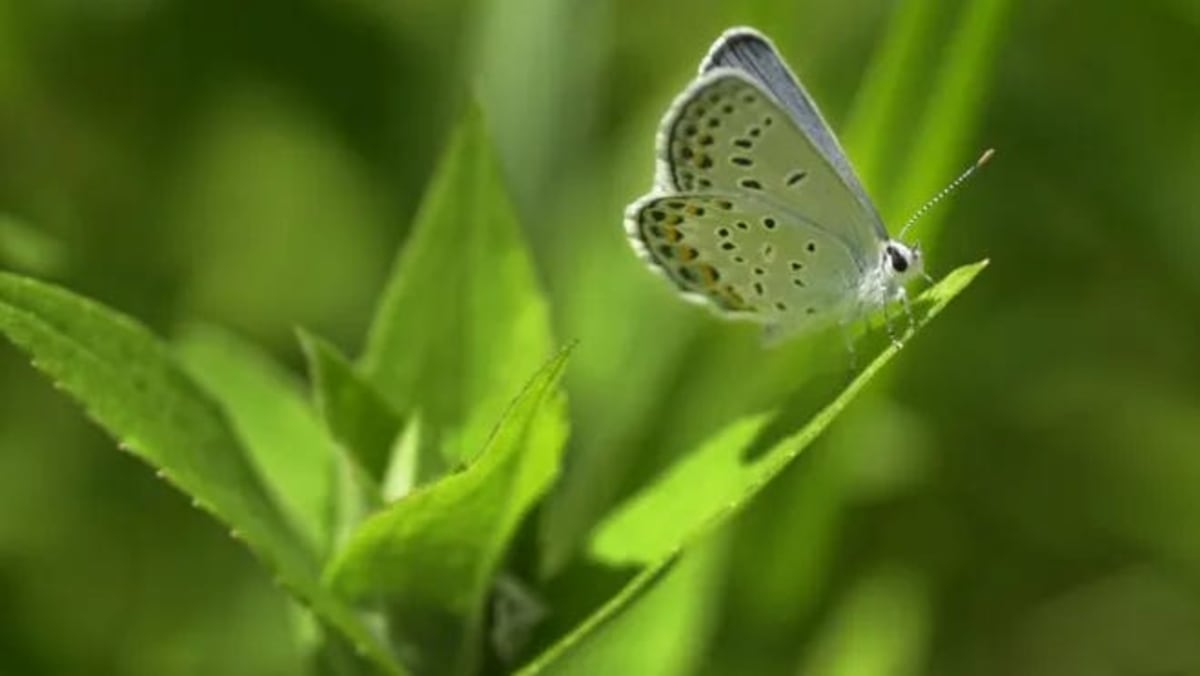
Wisconsin is calling for volunteers to help protect the Karner blue butterfly, an endangered species that now exists in just five states. The state is home to the largest remaining population and needs citizen scientists to track their recovery.
Wisconsin is home to the most Karner blue butterflies left in the world, and now everyday people can help save them from extinction.
The state Department of Natural Resources is recruiting volunteers to survey these endangered butterflies starting in July across 20 Wisconsin counties. Once found from Minnesota to Maine, the delicate blue insects now survive in just five states after habitat loss and climate change devastated their numbers.
Wisconsin became their last stronghold because of its unique landscape. The state's open barrens, savannas and prairies contain wild lupine, the only plant Karner blue caterpillars will eat.
"Volunteers will learn how to identify Karner blue butterflies and help us collect data to look at how this species moves around the landscape over time," said Chelsea Weinzinger, the DNR's Karner blue butterfly recovery coordinator. The collected information will improve the state's database and help scientists understand how well the species is recovering.
The butterfly's pickiness about habitat made it vulnerable. As farming, development and fire suppression eliminated lupine plants, the butterflies disappeared with them. Unlike adaptable species, Karner blues cannot adjust to new environments or food sources.
The Ripple Effect
Saving one species creates waves of positive change throughout an ecosystem. Cody Kamrowski, executive director of the Wisconsin Wildlife Federation, points out that helping butterflies helps everything else too.
"What is good for the birds is good for the butterflies and bees," he said. The habitats that support Karner blues also sustain countless other species, making this conservation work multiply across the food chain.
Anyone can join the effort by signing up through an online survey. The DNR offers optional field trainings on June 11 at Beaver Creek Reserve and June 13 at Sandhill Wildlife Area, both running from 1:30 to 3 p.m.
The volunteer program spans Adams, Burnett, Chippewa, Clark, Columbia, Dunn, Eau Claire, Green Lake, Jackson, Juneau, Marathon, Marquette, Menominee, Monroe, Polk, Portage, Shawano, Waupaca, Waushara and Wood counties. No experience is necessary, just a willingness to learn and observe.
Every data point volunteers collect helps scientists understand whether conservation efforts are working and where to focus future resources.
More Images
Based on reporting by Google: volunteers help
This story was written by BrightWire based on verified news reports.
Spread the positivity!
Share this good news with someone who needs it