Wisconsin Seeks Volunteers to Save Rare Species in 2026
Wisconsin is inviting everyday people to become community scientists and help protect the state's rarest plants and animals. No experience needed—just a willingness to explore nature and make a difference.
Imagine spending a summer morning counting butterflies or listening for frog calls, knowing your observations could help save a species from disappearing forever.
That's exactly what Wisconsin is offering through its 2026 rare species volunteer programs. The Wisconsin Department of Natural Resources announced eight different community science projects where anyone can contribute to protecting endangered plants and animals across the state.
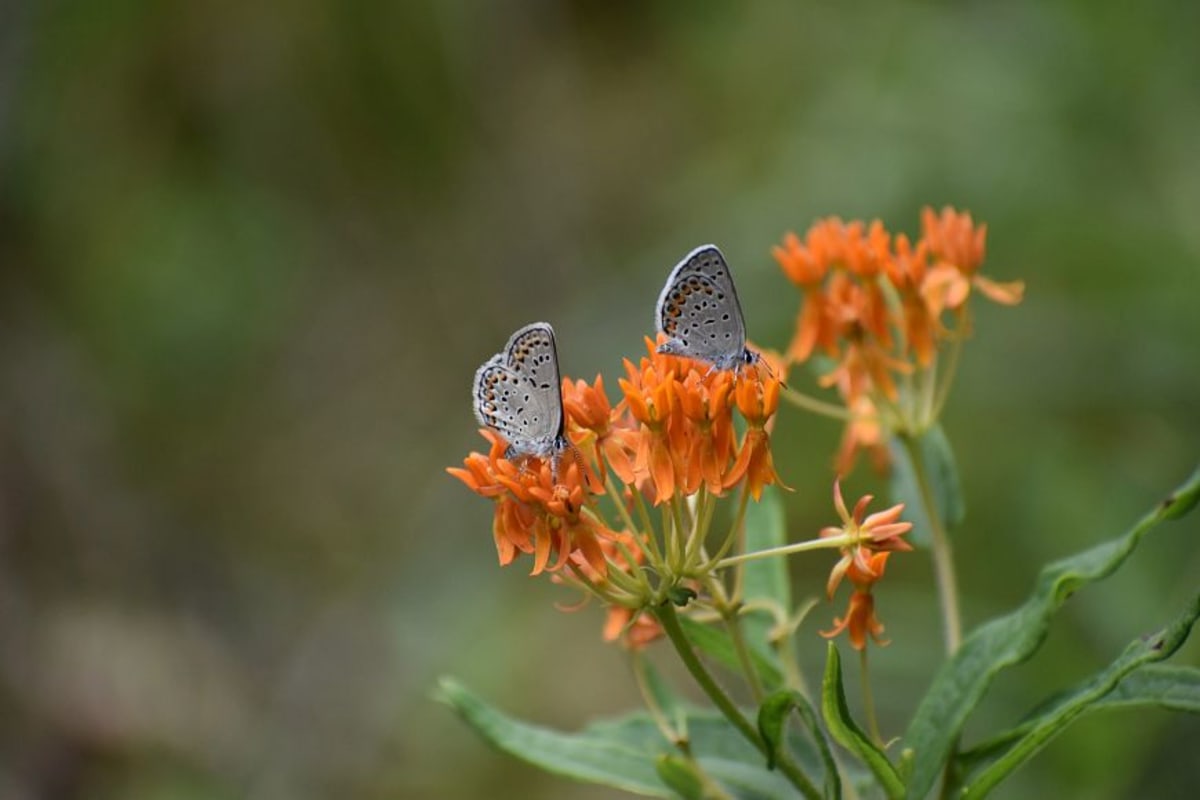
The opportunities span an incredible variety of wildlife. Volunteers can monitor the endangered Karner Blue butterfly, track Wisconsin's bumble bee populations, or listen for bat calls on summer evenings. Other programs focus on rare plants, mussels, dragonflies, frogs, toads, and turtles.
No science degree required. The DNR welcomes volunteers of all skill levels, whether you're a retired teacher with binoculars or a college student who just loves being outdoors. Training is provided for every program.
In 2025, volunteers collected data in nearly every county across Wisconsin. Their work helps scientists understand how habitat loss, disease, and climate change affect vulnerable species before it's too late to act.
"Volunteers support critical research and monitoring for many of Wisconsin's rarest plant and animal species," said Owen Boyle, DNR species management section manager. Their detailed observations extend the agency's reach far beyond what staff scientists could accomplish alone.
The Ripple Effect
When community scientists track these rare species, they're doing more than collecting data. They're building a statewide network of people who care deeply about Wisconsin's natural heritage.
Their observations inform conservation decisions that protect entire ecosystems. A volunteer who spots a rare plant might help preserve the habitat that dozens of other species depend on. Someone monitoring bat populations contributes to understanding diseases affecting bats nationwide.
These programs also create a community of nature lovers who inspire others. Volunteers often share their discoveries with neighbors, schools, and local groups, spreading awareness about Wisconsin's incredible biodiversity.
People can support the work even without volunteering in the field. The Endangered Resources Fund, which supports these programs through tax donations and special license plates, accepts individual contributions year round.
Wisconsin's rarest species now have thousands of eyes watching over them.
Based on reporting by Google: volunteers help
This story was written by BrightWire based on verified news reports.
Spread the positivity!
Share this good news with someone who needs it