Wisconsin's Bald Eagles Soar From Near-Zero to Every County
In 1974, Wisconsin counted just a handful of bald eagle nests in its northern counties. Today, every single county in the state hosts these majestic birds, marking one of conservation's greatest comebacks.
Wisconsin's bald eagles have pulled off one of nature's most dramatic recoveries, transforming from a nearly extinct species to thriving residents in all 72 counties.
The turnaround began in 1974 when surveyors counted only a small number of isolated nests in northern Wisconsin. The pesticide DDT had devastated eagle populations across America, pushing these iconic birds to the brink of disappearance.
But Wisconsin didn't give up on its eagles. The state combined a national DDT ban with federal protections like the Bald and Golden Eagle Protection Act and aggressive river cleanups under the Clean Water Act. The Wisconsin Department of Natural Resources monitored every nest and protected breeding sites with funding from the Endangered Resources Fund.
The results speak for themselves. By 2019, the last year Wisconsin conducted full surveys, eagles had nested in every county from Door County to Crawford County, from Lake Superior to the Illinois border.
"Bald eagles have made an amazing recovery in our state," said Drew Feldkirchner, DNR Natural Heritage Conservation Director. The comeback story shows what focused conservation efforts can achieve when communities rally behind a species.
The Ripple Effect
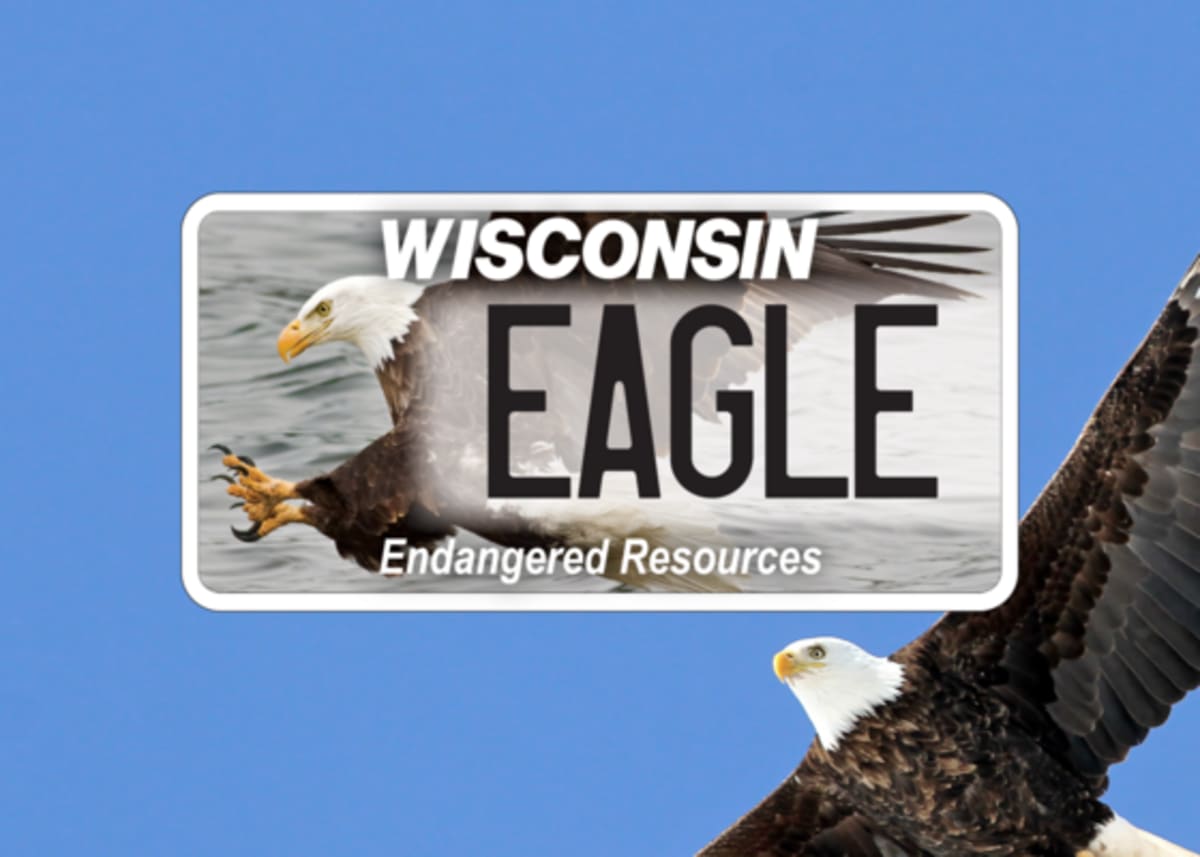
The same funding model that saved Wisconsin's eagles is now protecting hundreds of other at-risk species. The Endangered Resources license plate program, which costs drivers $40 in the first year (with $25 going directly to conservation), raised over $470,000 in 2025 alone.
That money now supports recovery efforts for little brown bats, rusty patched bumble bees, and ornate box turtles. The fund has become a lifeline for more than 400 wildlife species and 300 plant species listed as endangered, threatened, or of special concern.
License plate donations combined with tax form contributions and state matching funds have accounted for up to 40% of endangered species funding in some years. Beyond eagles, the program has helped trumpeter swans return to Wisconsin skies and prevented hundreds of other species from vanishing entirely.
Wisconsin drivers can switch to an Endangered Resources plate at any time without waiting for registration renewal. The plates let people show their conservation commitment while making their next species comeback possible.
Based on reporting by Google News - Endangered Species Recovery
This story was written by BrightWire based on verified news reports.
Spread the positivity!
Share this good news with someone who needs it