Woman With Negative Net Worth Moved $40M in Four Months
A woman who grew up in public housing built a simple website that channeled $40 million to Minnesota communities in crisis, proving everyday people can outpace traditional philanthropy. Time named her one of 2026's most influential leaders in giving.
When crisis hit Minnesota in early 2026, a woman with a negative net worth did what billion-dollar foundations couldn't. She built a website that moved $40 million to people who needed it most in just four months.
She grew up in public housing in South Minneapolis. She doesn't work in philanthropy and describes herself as decidedly not famous. Yet Time magazine seated her between Chance the Rapper and Idris Elba at a dinner honoring the world's 100 most influential leaders in philanthropy.
Her creation, Stand With Minnesota, became a lifeline during Operation Metro Surge. The website connected donors directly to mutual aid networks, community organizations, and crowdfunding campaigns across the state. GoFundMe campaigns linked on the site were fulfilled so fast she had to update the links every hour.
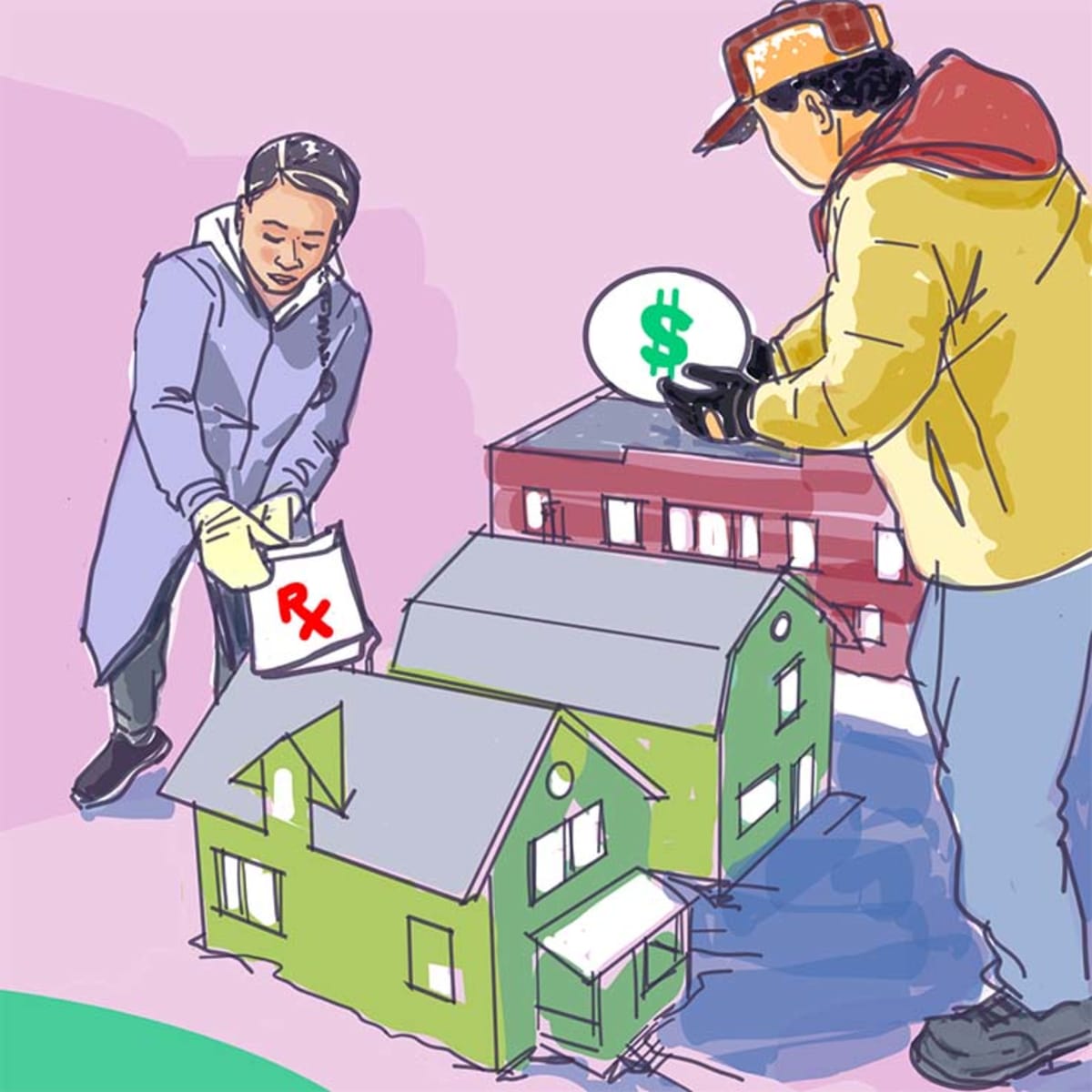
The speed mattered because families were losing breadwinners overnight during immigration raids. Parents were hiding, children were afraid, and rent was still due. While traditional foundations spent weeks processing emergency funding, neighbors were already solving the problem.
PTAs across the Twin Cities created rent funds to keep families in their schools housed. Volunteers built systems to raise and move money directly to people in need. Community members refused to accept that the crisis was too large to solve.
The Ripple Effect
Her success exposes a fundamental truth about giving in America. The urge to help is ancient and human, but decades of policy and American individualism have built walls between us. Traditional philanthropy, despite good intentions, often can't move at the speed urgent needs demand.
The difference isn't about caring. Foundation staff genuinely wanted to help. The problem is structure: who gets to make decisions, how quickly those decisions happen, and how much trust exists in people closest to the crisis.
Thousands of ordinary Minnesotans proved that community knows what it needs. They moved millions while institutions were still searching for solutions. They didn't wait for permission or perfect plans. They just helped.
Her advice to institutional philanthropy sounds blunt but comes from watching her community nearly drown waiting for help. Put the resources on the table and trust people to use them. Simplify giving so it can happen at human speed.
The mutual aid surge she organized didn't just keep families housed during the worst of the crisis. It reminded an entire state that we're better at taking care of each other than the systems built to do it for us.
More Images


Based on reporting by Stanford Social Innovation
This story was written by BrightWire based on verified news reports.
Spread the positivity!
Share this good news with someone who needs it