Woman's Leg Muscle Cells Injected Into Eyes to Treat Blindness
Scientists extracted healthy mitochondria from a woman's leg muscles and injected them into her eyes after a brain injury left her nearly blind. The experimental procedure proved safe and triggered temporary improvements in her light response.
A woman who lost her vision after a brain injury became the first person to receive mitochondria transplanted into her eyes, marking a new frontier in vision restoration research.
The patient suffered a brain bleed in February that severely damaged her optic nerve and retina, leaving her nearly completely blind with no pupil response to light. Scientists at Mount Sinai in New York received emergency FDA approval to try an experimental procedure: extracting healthy mitochondria from her own leg muscles and injecting them directly into the fluid of her eyes.
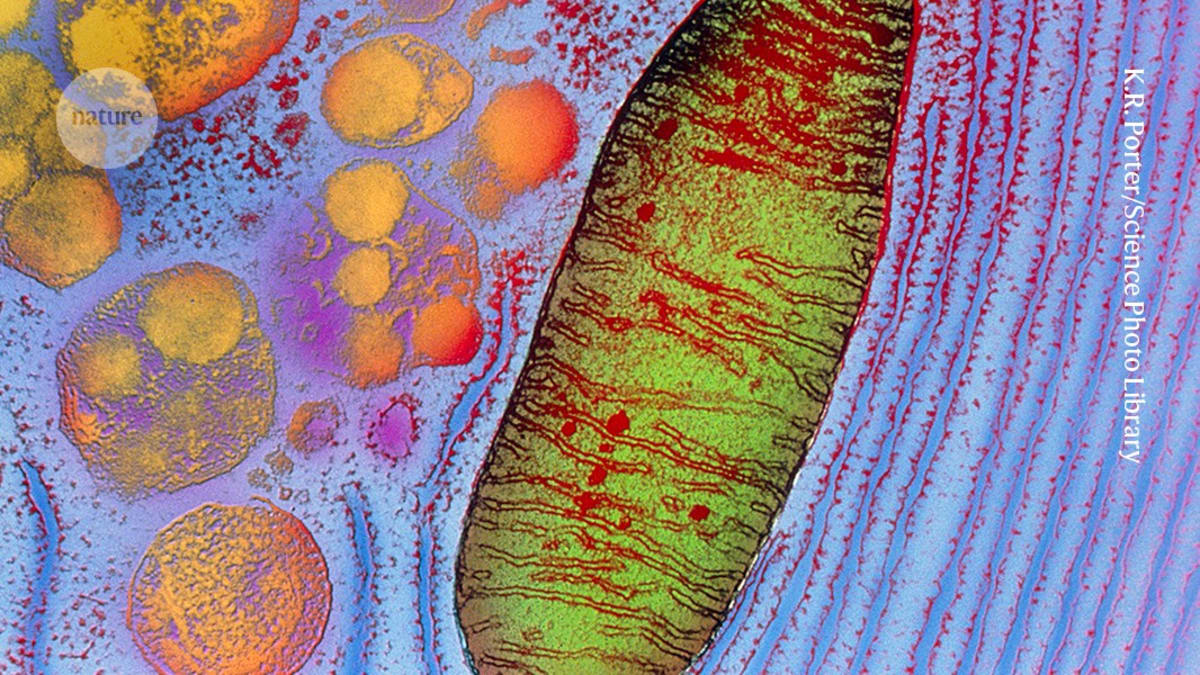
Mitochondria are the tiny powerhouses inside our cells that produce energy. When cells are damaged by injury or disease, their mitochondria often fail, and the cells can't function properly or survive.
The idea behind this treatment is beautifully simple. By giving damaged cells a fresh supply of healthy mitochondria, researchers hope to jump-start healing and restore function in injured tissue.
Previous studies in mice showed that injecting mitochondria into eye fluid helped injured neurons survive. Human trials have already tested mitochondrial transplants in hearts and brains, but this marked the first attempt in human eyes.
The results showed promise and caution in equal measure. After the injections, the woman's pupils began responding to light again, something they hadn't done since her injury. She also reported perceiving shapes and shadows in her left eye during post-treatment assessments.
However, the improvement was temporary, fading after about four weeks. Still, her pupil response remained slightly better than before the treatment.
The Bright Side
The most encouraging finding wasn't about vision itself but about safety. The medical team's biggest concern was triggering an immune reaction that could cause inflammation or further damage to the already injured eyes.
Tests after the procedure found no signs of inflammation or harm to either eye. This safety milestone opens the door for future research and refinements to the technique.
Lead researcher David Putrino emphasized that this first-of-its-kind procedure focused on establishing safety rather than proving effectiveness. The team couldn't draw conclusions about whether the treatment truly works based on one patient, but the physiological changes they observed were significant enough to warrant further investigation.
For patients with optic nerve injuries and retinal damage, conditions that currently have limited treatment options, this research offers a glimpse of what might become possible. If scientists can figure out how to make the effects last longer or boost their strength, mitochondrial transplants could help preserve or restore vision for people facing blindness.
The woman's courage in volunteering for this experimental treatment has given researchers crucial information that will shape the next steps in developing this therapy.
More Images
Based on reporting by Nature News
This story was written by BrightWire based on verified news reports.
Spread the positivity!
Share this good news with someone who needs it