Women in Peace Talks Boost Success by 35%
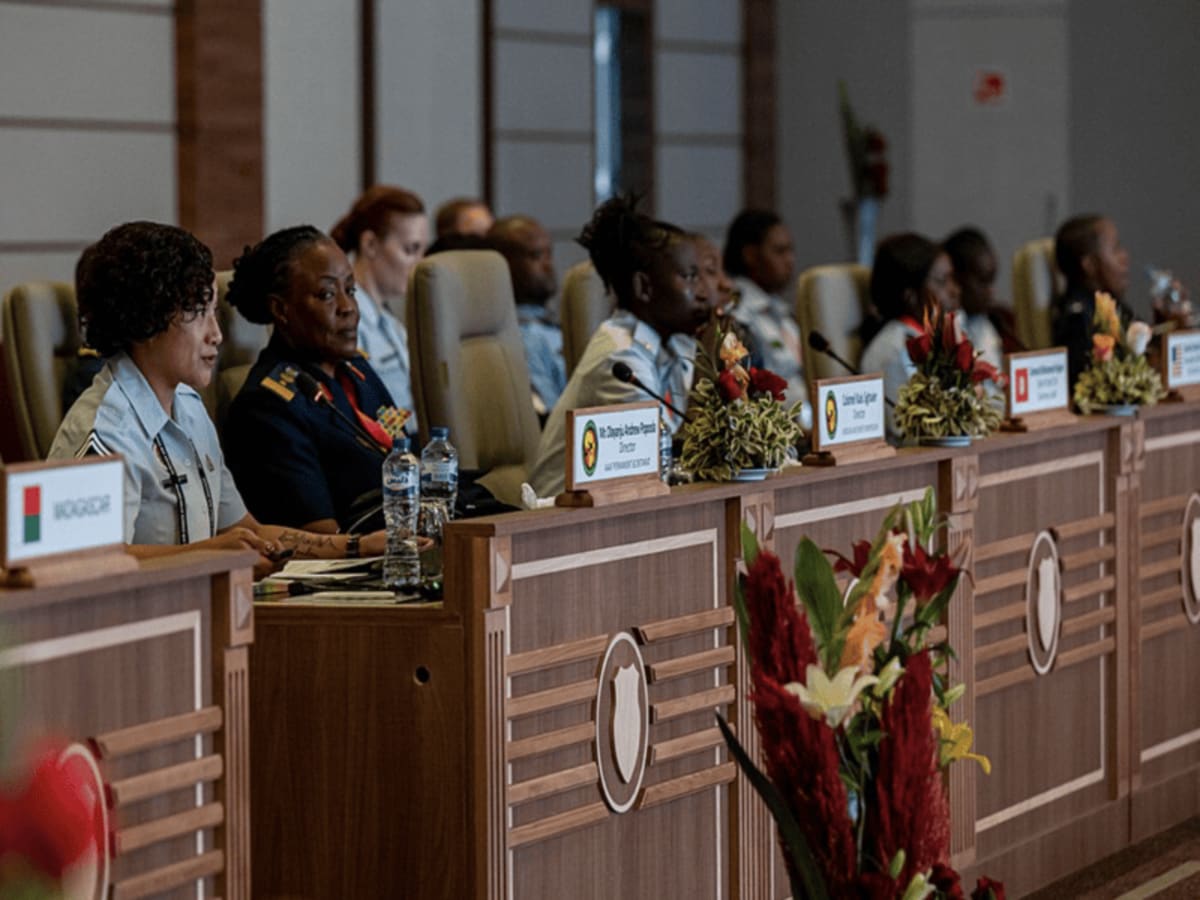
When women participate in peace negotiations, agreements are 35% more likely to last 15 years or longer. Yet women make up just 7% of negotiators worldwide, even as conflicts surge to historic levels.
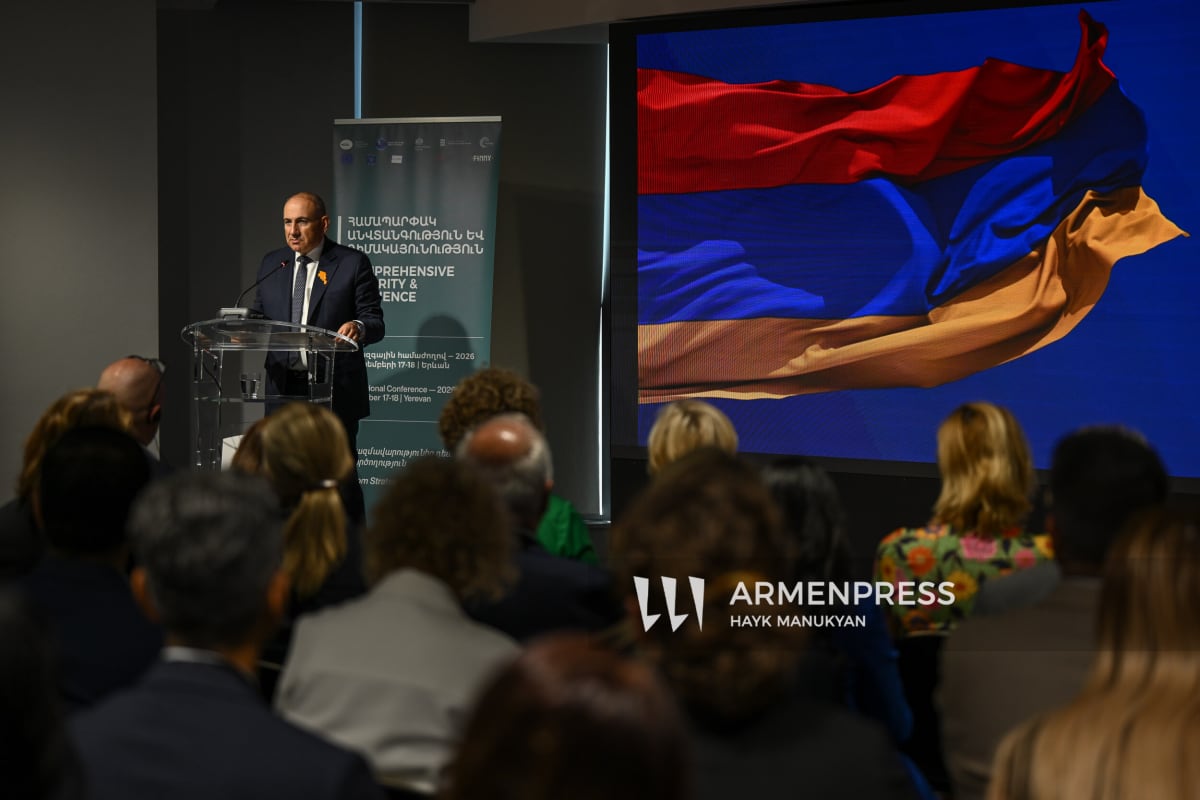
Peace talks are happening across the globe right now, from Ukraine to Gaza, but there's a powerful ingredient missing from most negotiation tables: women.
The numbers tell a striking story. When women's groups strongly influence peace negotiations, agreements are almost always reached and far more likely to stick. Research examining 40 conflict cases found that women's participation makes peace agreements 35% more likely to last at least 15 years.
Despite this evidence, women remain barely visible in formal peace processes. UN Women's 2024 data shows women made up just 7% of negotiators and 14% of mediators worldwide, with many talks including no women at all. The trend is moving backward: women's share of negotiators in UN-led processes dropped from 23% in 2020 to 18% in 2024.
The exclusion isn't random. Peace processes traditionally prioritize those who started the conflict, groups rarely including women. Military forces, which are largely male, dominate negotiations by default.
But women bring something different to the table. Their broader understanding of security goes beyond simply ending armed conflict to include human rights, development, and social issues. In the Philippines, women's groups shaped the 2014 Comprehensive Agreement on the Bangsamoro, successfully pushing for gender provisions and setting up ceasefire monitoring. In Northern Ireland's 1998 Good Friday Agreement, women gave weight to social issues that would have been sidelined and secured commitments to women's full political participation.
Women tend to have different community networks, take more collaborative approaches, and are often viewed as more impartial mediators. This is what makes their agreements more comprehensive and durable.
The Ripple Effect
The impact extends far beyond individual agreements. In Liberia, Kenya, Burundi, and Guatemala, women pushed for measures preventing relapse into violence and secured context-specific equality provisions that strengthened entire societies. When women help build peace, they create frameworks that address root causes and indirect effects of conflict, like domestic violence surges during war.
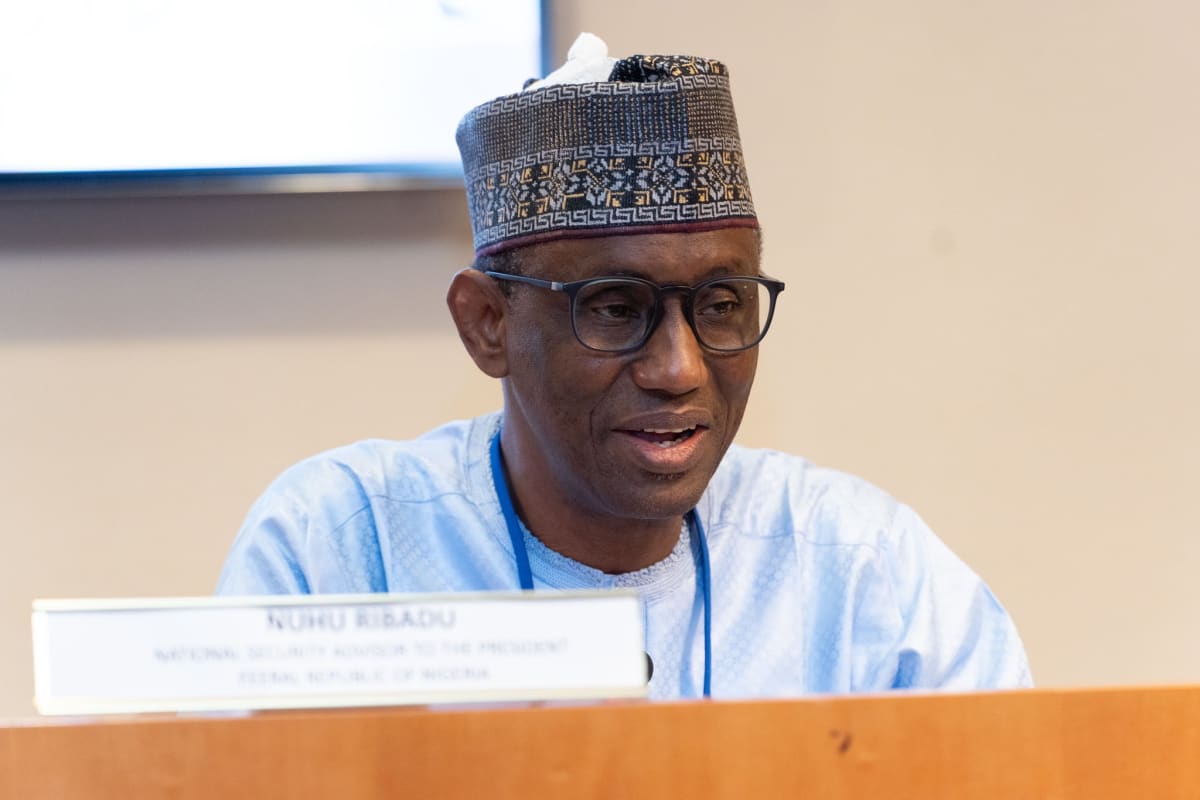
Now there's momentum for change. UN Women's Executive Director Sima Bahous is pressing member states to adopt the Secretary-General's Common Pledge on Women's Participation in Peace Processes. The pledge commits signatories to appointing women as mediators, consulting them throughout negotiations, and building gender expertise into mediation teams. Currently, only 43 mediation actors worldwide have signed, including some NATO allies.
Real peace requires everyone at the table, and the evidence shows that including women isn't just fair, it's the smartest strategy for building agreements that actually last.
More Images
Based on reporting by Google News - Peace Agreement
This story was written by BrightWire based on verified news reports.
Spread the positivity!
Share this good news with someone who needs it