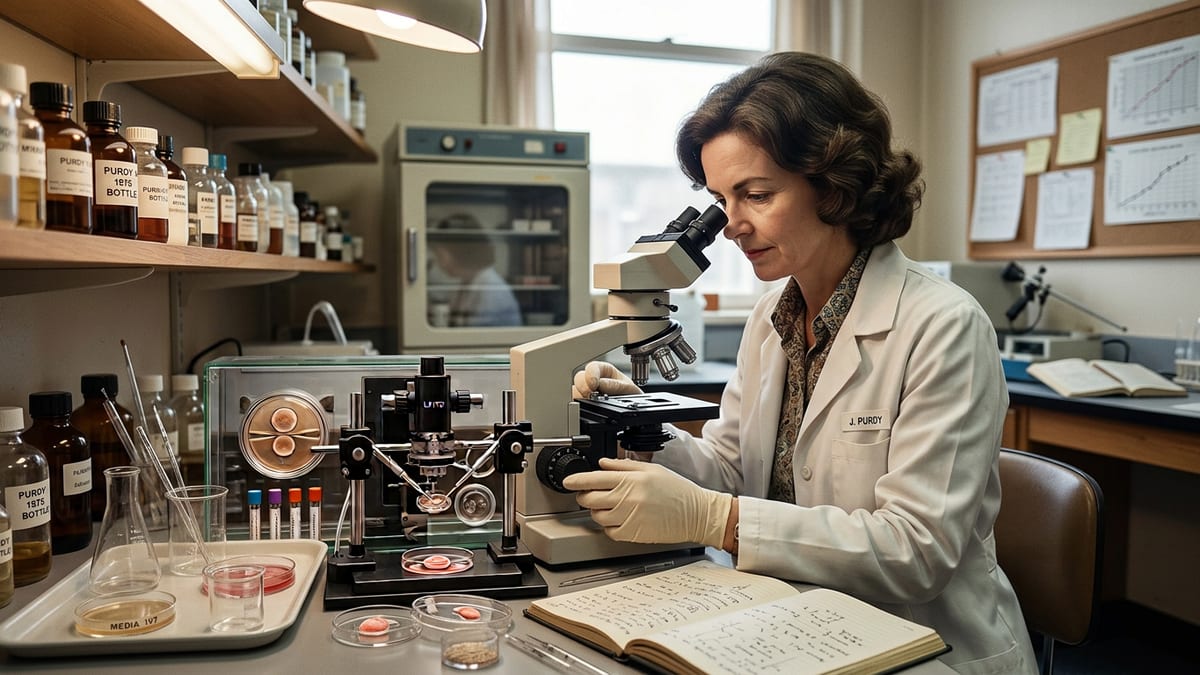
Women Scientists Finally Getting Credit for Major Discoveries
A growing movement is celebrating women scientists who were erased from history, their groundbreaking discoveries wrongly credited to male colleagues. The "Matilda Effect" explains how brilliant researchers like Martha Chase and Laura Garnjobst shaped modern genetics but vanished from Nobel Prize ceremonies.
For over 150 years, brilliant women made scientific breakthroughs that changed the world, only to watch men take the credit and the Nobel Prizes.
Now their stories are finally being told. A two-year series called "Great Women of Science" is bringing these forgotten pioneers back into the spotlight, revealing how systemic bias erased their names from textbooks and award ceremonies.
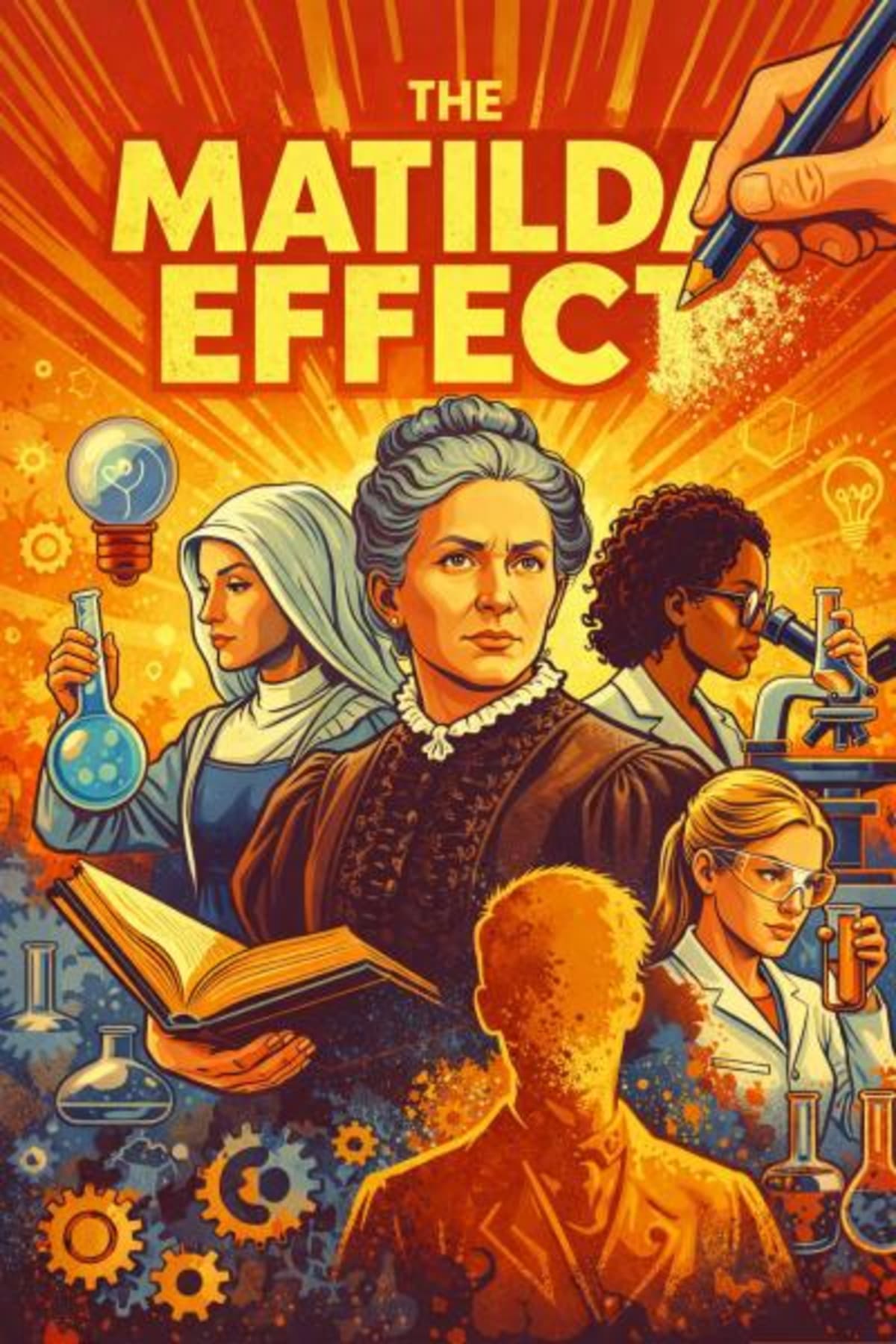
The pattern has a name: the Matilda Effect. Suffragist Matilda Joslyn Gage first identified this phenomenon in 1870, pointing out that Catherine Littlefield actually invented the cotton gin, not Eli Whitney as history books claim.
Science historian Margaret Rossiter coined the term in 1993 to describe how women's scientific achievements are routinely attributed to their male colleagues. The examples span centuries and every field of science.
Martha Chase co-discovered that DNA carries genetic information through the famous "blender experiment" at Cold Spring Harbor in 1952. Her collaboration with Alfred Hershey fundamentally changed molecular biology, proving that genes were made of DNA, not protein as everyone believed.
When the Nobel Committee came calling in 1969, they gave the prize to Hershey and two other men. Chase was conveniently labeled just a "lab technician," even though she earned her PhD and was a full scientific partner.
Laura Garnjobst supervised Edward Tatum's genetics laboratory and served as his research assistant throughout both their careers. Their work together won Tatum the 1958 Nobel Prize for discovering how genes regulate chemical events in cells.
Tatum and his biographers never mentioned her name or acknowledged her role. That same year, the Nobel Committee also ignored Esther Lederberg's contributions to her husband Joshua's prize-winning work.
Daisy Dussoix worked with Harold Varmus and J. Michael Bishop on groundbreaking cancer research, discovering that normal genes can mutate into cancer-causing oncogenes. The Nobel Committee awarded the 1989 prize to three men and completely disregarded her central role.
Why This Inspires
Recognition matters for more than just history books. When young girls see women scientists celebrated for their achievements, they can imagine themselves in labs making discoveries too.
The movement to correct these historical injustices sends a powerful message: your contributions matter, regardless of your gender. Science advances when we acknowledge everyone who moves knowledge forward.
Some of these women persevered despite the slights and insults. Others withdrew from science entirely, their potential contributions lost forever because the bruising became too much to bear.
Biochemical geneticist Muriel Wheldale did foundational work in her field but received little recognition. The same pattern repeated across generations, affecting Martha Chase, Laura Garnjobst, and Daisy Dussoix, among countless others.
Today's scientists are working to ensure this pattern doesn't continue. By shining light on the Matilda Effect, they're making it harder for brilliant minds to disappear into footnotes while their collaborators collect accolades.
As Alice Hamilton, the mother of occupational medicine in America, once said: "It is alright to be modest, but one does not want to be anonymous either." These women deserved better then, and remembering them now ensures future scientists will receive the credit they earn.
More Images


Based on reporting by Google: scientific discovery
This story was written by BrightWire based on verified news reports.
Spread the positivity!
Share this good news with someone who needs it