Women Spread Farming Across Ancient Europe Through Marriage
New DNA evidence shows prehistoric women carried farming knowledge into hunter-gatherer communities through marriage, reshaping Europe's history. Scientists traced genetic patterns across 7,000 years to reveal how cultures blended through family bonds, not conquest.
Scientists just rewrote the story of how farming spread across prehistoric Europe, and it turns out women were the key.
New DNA analysis from ancient remains in Belgium and the Netherlands shows that farming knowledge traveled north through marriage alliances between farming communities and hunter-gatherers. The discovery challenges the old idea that agriculture spread only through mass migrations that replaced existing populations.
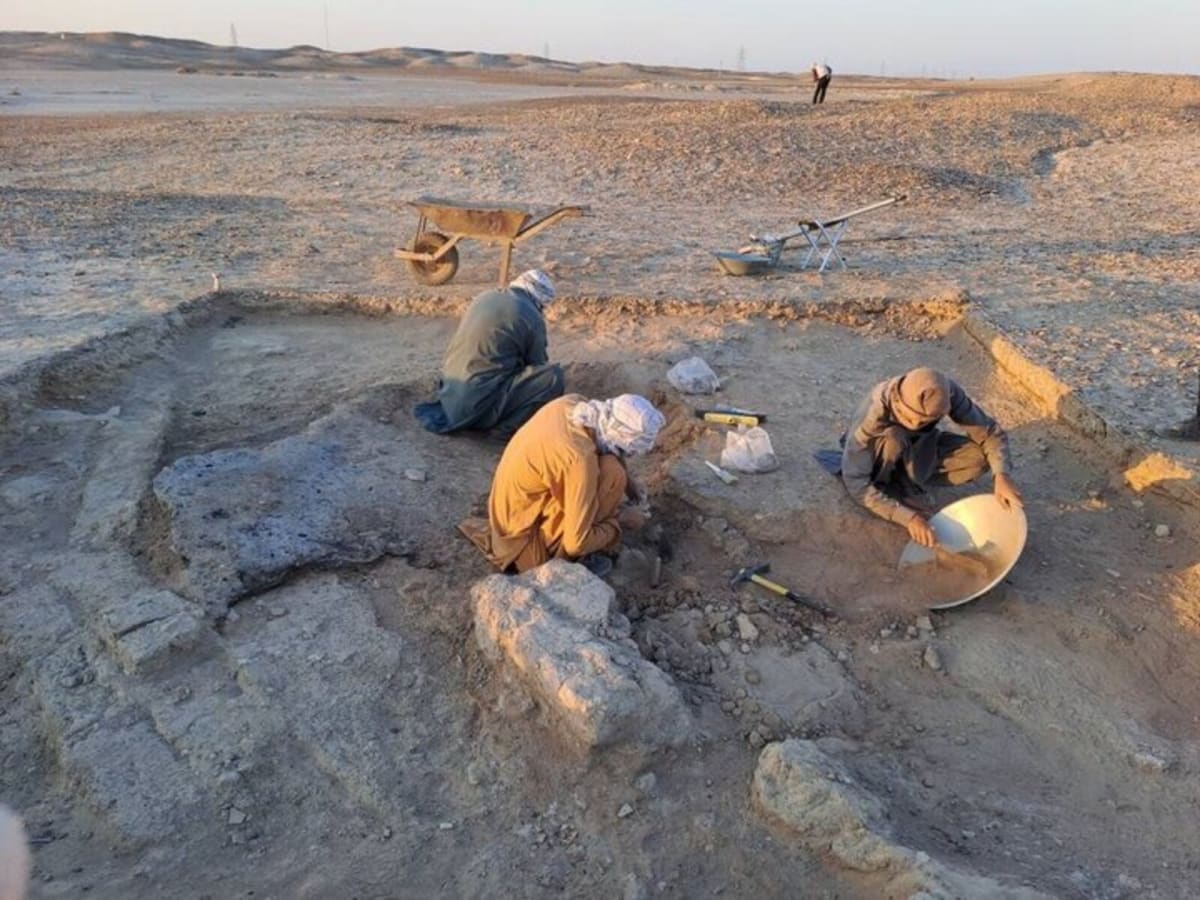
Researchers from Harvard University and the University of Huddersfield analyzed genetic material from sites along the River Meuse and Lower Rhine dating back 7,000 years. What they found stunned them: people living in the water-rich northern wetlands carried about 50% hunter-gatherer ancestry mixed with farmer ancestry, despite living among farming communities.
The real revelation came when scientists looked at sex-specific DNA markers. All the Y chromosomes, passed down through fathers, came from local hunter-gatherers. But three-quarters of the mitochondrial DNA, inherited through mothers, came from farming communities to the south.
The pattern tells a clear story. Women from early farming societies married into hunter-gatherer communities in the fertile wetlands and river valleys. They brought farming skills with them, gradually teaching their new communities how to cultivate crops alongside traditional hunting and gathering.
This discovery supports a theory first proposed in the 1980s called the "frontier mobility model." Archaeologists Marek Zvelebil and Peter Rowley-Conwy imagined contact zones where farmers and hunter-gatherers gradually formed trading relationships and marriage alliances before farming fully took hold.
The genetic evidence proves they were right. The cultural frontier wasn't a battleground but a meeting place where families formed bonds across different ways of life.
Why This Inspires
This research shows that major cultural transformations don't require conquest or replacement. Ancient Europeans found ways to learn from each other, building bridges between communities through marriage and family ties.
Women weren't just passive participants in prehistory. They were active agents of change who carried knowledge, skills, and innovation across cultural boundaries. Their choices shaped the genetic and cultural landscape of an entire continent.
The waterworld communities of the northern wetlands became melting pots where old and new ways of living blended together. Hunter-gatherers didn't vanish when farming arrived; they adapted, learned, and evolved by welcoming outsiders into their families.
This ancient story of cooperation offers a hopeful reminder: humans have always found ways to share knowledge and build connections across differences.
More Images

Based on reporting by Science Daily
This story was written by BrightWire based on verified news reports.
Spread the positivity!
Share this good news with someone who needs it