Workers Saved 11 Sea Turtles From Market in Papua New Guinea
Two construction workers spent $50 each to buy endangered green sea turtles from a Papua New Guinea meat market and release them back into the ocean. Their simple act of compassion in 2015 went viral and inspired conservation efforts still making waves today.
When Arron Culling and Mark Machen saw green sea turtles bound for soup at a Papua New Guinea market in 2015, they didn't hesitate to act.
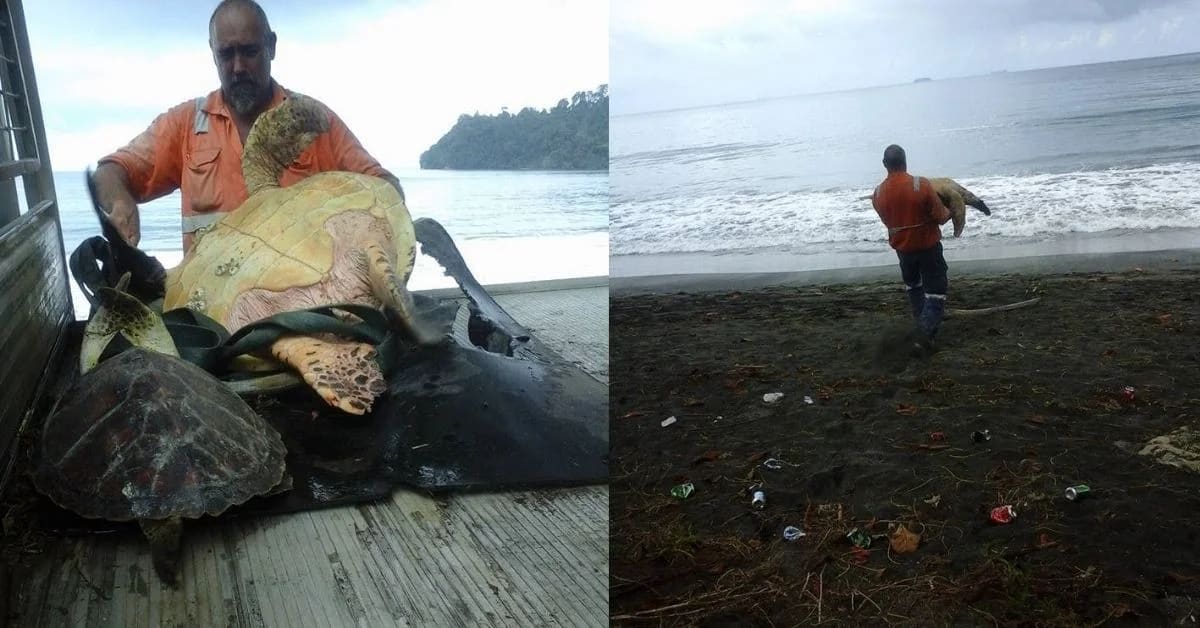
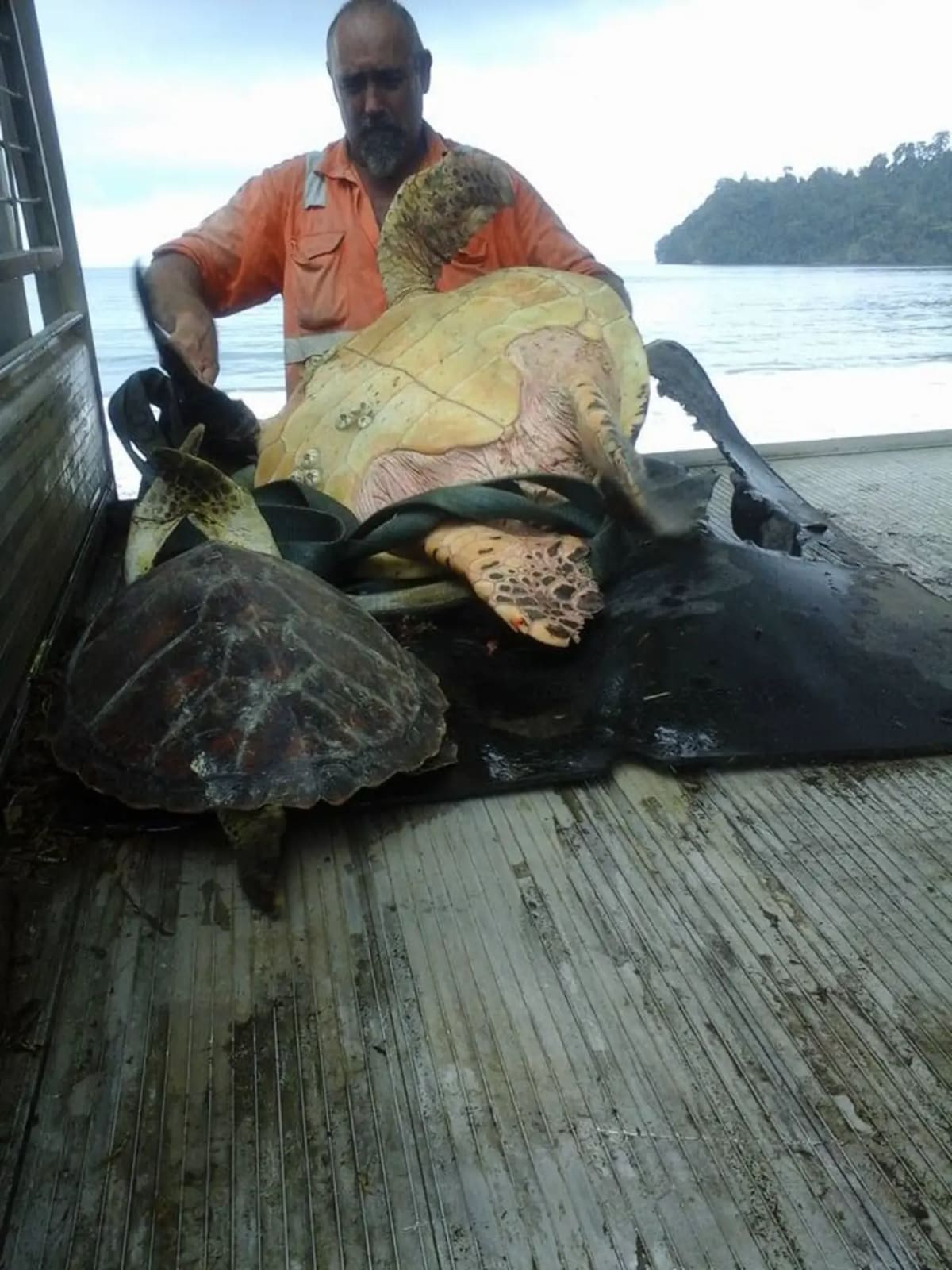
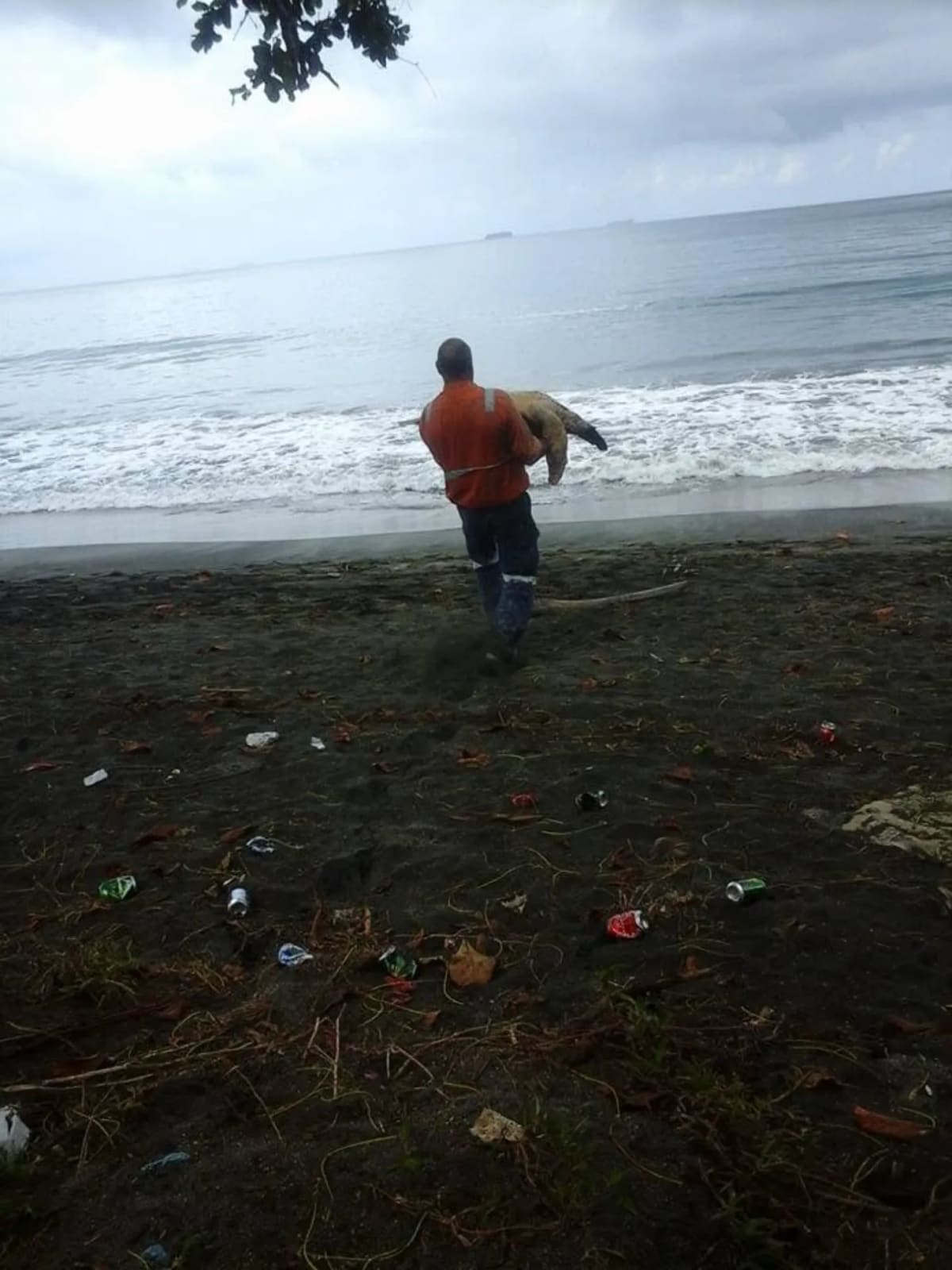
The two construction workers from New Zealand and Australia were working in Papua New Guinea when they discovered local fishermen selling live sea turtles for meat. They paid $50 per turtle to buy their freedom, carrying them to a nearby beach for release.
Culling shared photos of the rescue on Facebook that December day, never expecting what would happen next. By morning, he had 200 friend requests and his phone was flooded with messages from people around the world celebrating their compassion.
The market detour became a regular mission for the pair. Every afternoon around 4 p.m., fishermen would arrive with their daily catch, sometimes including the endangered reptiles. By the time their work contract ended, Culling and Machen had rescued 11 sea turtles in total.
One rescue required extra care when a disoriented turtle kept swimming back to shore. Machen waded deeper into the water with the confused creature until it finally found its bearings and disappeared into the waves.
Why This Inspires
Sea turtles have been a traditional food source for coastal communities in Papua New Guinea for generations. When populations were abundant and fishing methods were simple, this harvesting was sustainable.
Today, growing populations and economic pressures have pushed marine resources to the breaking point. But conservation groups like the Mas Kagin Tapani Association are now working village by village to create alternative income sources for fishermen and turtle harvesters.
Culling and Machen's viral moment brought global attention to this delicate balance between cultural traditions and species survival. Their story shows how individual actions can spark broader conversations about protecting endangered species while respecting local communities.
Sometimes the most powerful conservation work happens one turtle at a time.
More Images

Based on reporting by Good Good Good
This story was written by BrightWire based on verified news reports.
Spread the positivity!
Share this good news with someone who needs it