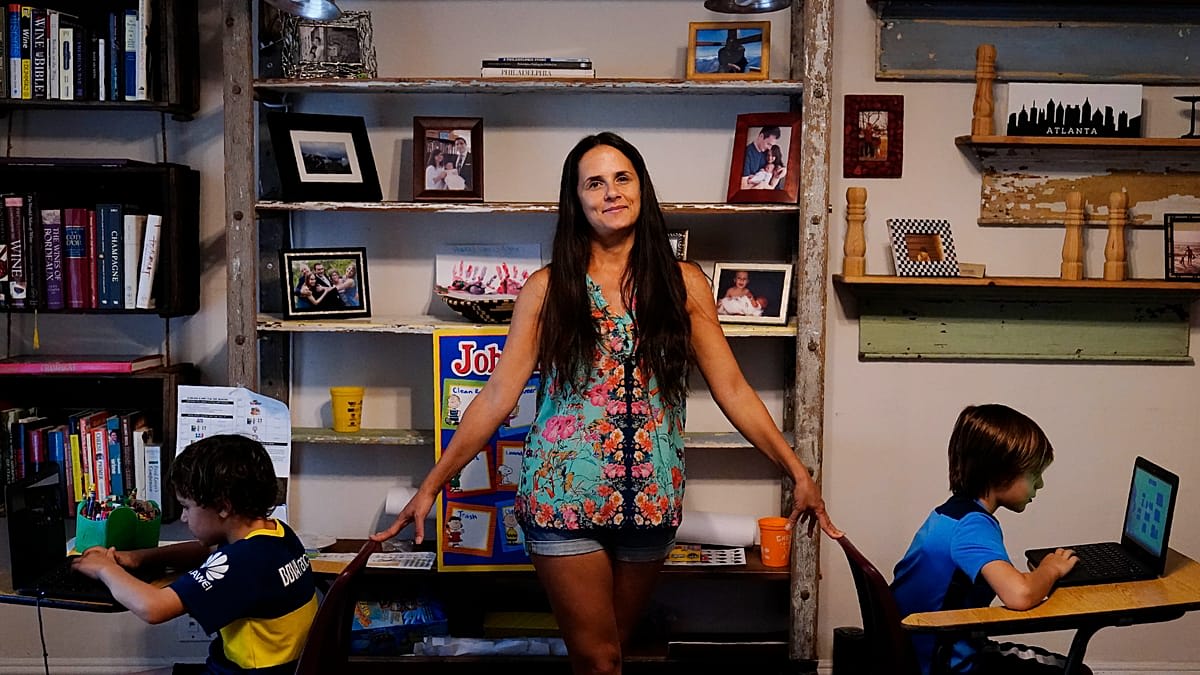
Working From Home Boosts Families by 0.32 Children
Couples who work from home at least one day a week have more children than those who don't, according to new research across 38 countries. The findings suggest flexible work could help families balance careers and parenthood.
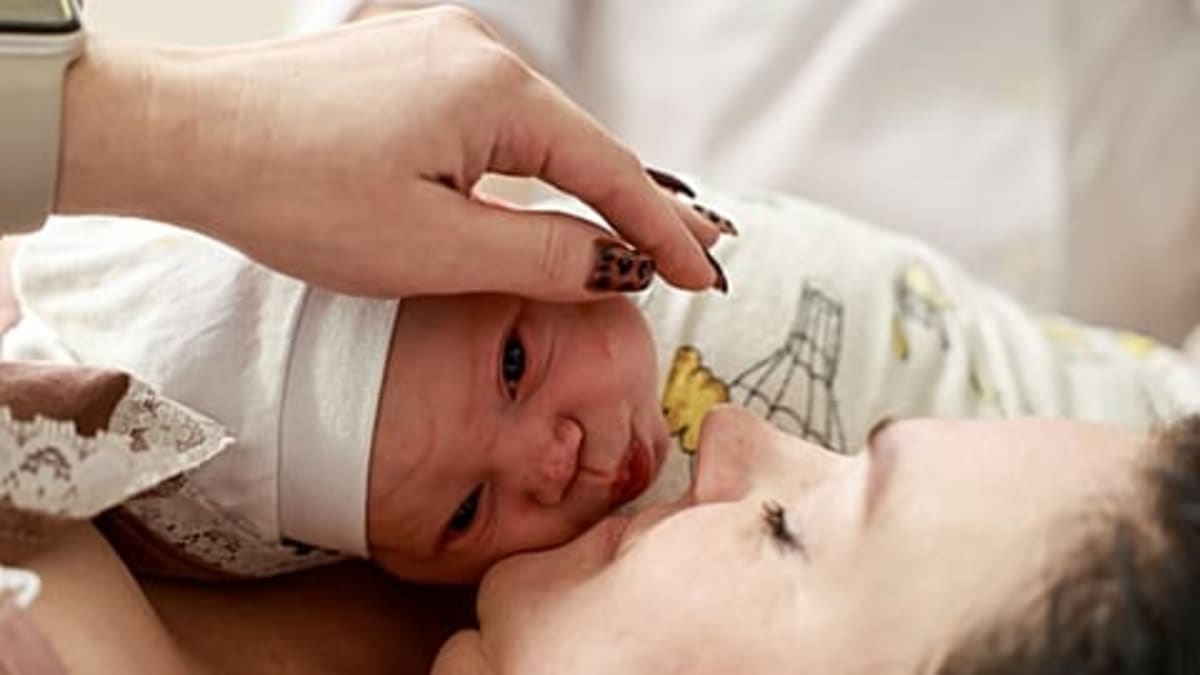
Parents working from home are having more babies, and new research shows the impact is bigger than you might think.
A groundbreaking study covering 38 countries found that couples who both work from home at least one day per week have 0.32 more children on average compared to those who never work remotely. In the United States, that number jumps to 0.45 additional children per woman.
The research, published by the National Bureau of Economic Research, examined adults aged 20 to 45 and counted both children already born and plans for future kids. The numbers tell a clear story about what happens when work becomes more flexible.
For couples where neither partner works remotely, the average is 2.26 children per woman. When the woman works from home at least weekly, that rises to 2.48 children. When both partners have that flexibility, families grow to 2.58 children on average.
Researchers point to three reasons this might happen. Working from home makes juggling childcare and careers easier, so couples choose to have more kids. Families with children actively seek jobs offering remote options. And knowing flexible jobs exist gives people confidence to plan bigger families.
The effect holds true both before and after the pandemic, showing this isn't just a temporary shift. The pattern appeared in data from 2017 to 2019 and remained strong through 2023 to 2025.
Country differences are striking and depend mostly on how common remote work has become. Japan sits at 21 percent of workers doing at least some remote work, while Vietnam leads at 60 percent. The United Kingdom ranks third globally and first in Europe at 54 percent.
The Ripple Effect
If these findings reflect true cause and effect, remote work could account for 8.1 percent of all US births. That translates to roughly 291,000 babies per year as of 2024.
What makes this particularly meaningful is scale. The research notes this impact exceeds what the United States currently achieves through government spending on early childhood care and education programs.
The benefits extend beyond parents too. A United Kingdom Parliament report found that flexible work boosts employment for caregivers and people with disabilities, creating opportunities that rigid office schedules eliminate.
The researchers caution against forcing everyone into the same work model, noting that remote work preferences and practicality vary widely across jobs and individuals. But for families trying to balance professional success with growing their households, having the option seems to make all the difference.
More Images


Based on reporting by Euronews
This story was written by BrightWire based on verified news reports.
Spread the positivity!
Share this good news with someone who needs it