World Bank: Haiti Has Real Assets for Economic Recovery
Despite seven years of economic decline, a new World Bank report reveals Haiti possesses untapped strengths that could fuel a sustainable comeback. A young workforce, strategic location, and record remittances offer genuine hope for the struggling nation.
Haiti may have faced seven consecutive years of economic decline, but the World Bank just identified powerful assets that could turn things around.
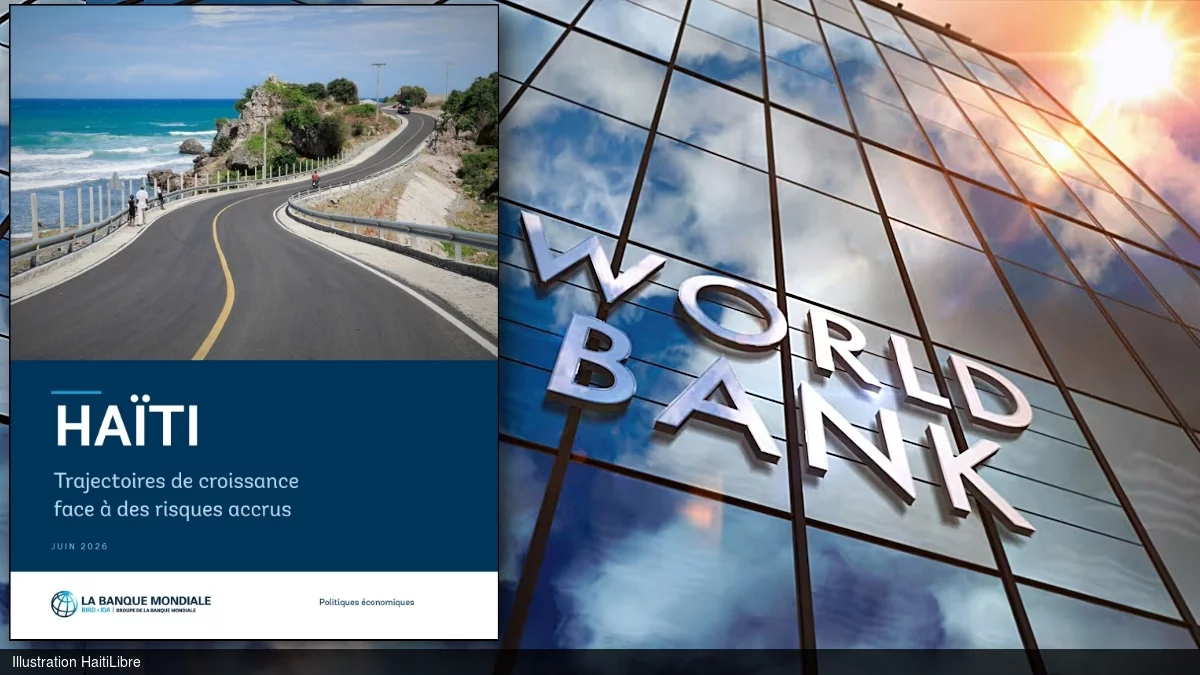
A September 2026 report titled "Haiti: Growth Trajectory Amidst Heightened Risks" acknowledges the country's struggles while spotlighting real opportunities for recovery. Between 2010 and 2025, Haiti's GDP per capita fell 17%, and poverty increased from 44.6% to 49% of the population. Yet the report emphasizes that these numbers don't tell the whole story.
Haiti's most valuable asset is its people. The country has a young, growing, and competitive workforce ready to drive economic growth. Its location near major markets in North America offers strategic advantages that many developing nations lack.
The Haitian diaspora emerged as an economic powerhouse in 2025. Remittances hit a record $4.4 billion, becoming Haiti's primary source of foreign currency. These funds from family members abroad provide critical support while demonstrating the global network Haiti can tap into for development.
Agriculture holds massive untapped potential. Haiti produces high-value export crops including cocoa, vetiver, mangoes, and coffee. The sector employs nearly half the workforce but receives less than 1% of formal credit, suggesting huge room for growth with proper investment.
The Ripple Effect
The World Bank's recognition of Haiti's assets matters beyond economics. When international institutions identify genuine strengths rather than just problems, it changes the conversation from charity to partnership.
"The World Bank stands ready to support Haiti in mobilizing additional resources to drive economic growth," said Anne-Lucie Lefebvre, the organization's Country Manager for Haiti. This commitment to supporting reforms rather than just providing aid signals confidence in Haiti's capacity to build its own recovery.
The report outlines four key challenges: creating jobs for young people, managing the return of displaced persons, stabilizing remittance flows, and expanding market access. The HOPE/HELP legislation giving Haiti's textile sector duty-free U.S. market access was renewed for two years in 2026, protecting thousands of jobs.
Addressing these challenges won't be easy. But identifying concrete assets and specific paths forward marks a shift from endless crisis management to strategic development planning.
When nearly half a workforce is employed in an underfunded sector with export potential, when a diaspora sends home billions annually, and when a young population is ready to work, the pieces for recovery exist. They just need the right conditions to come together.
Based on reporting by Solutions Desk
Play Today’s BrightWire Positive Mini Crossword & Word Game
Keep your mind sharp with our free 5-minute uplifting daily crossword and positivity word puzzle.
Share This Good News Story
Send a dose of constructive journalism to someone who needs it today.
More Good News